Why Are My Apples Not Soft in My Apple Pie? Understanding Common Baking Mistakes
You cut into your apple pie and find hard, crunchy chunks instead of soft, tender fruit. This is one of the most common apple pie problems, and it can turn a promising pie into a disappointing one.
The main reasons your apples stay hard are choosing a firm apple variety, cutting the slices too thickly, or not baking the pie long enough. Heat softens the apples by breaking down their cell structure, but some varieties hold their shape longer than others.
This guide will walk you through the main reasons your apples come out crunchy and what you can do to fix the problem. You will learn which apples work best for pie, how to prepare them, and simple ways to achieve tender apples that hold their shape.
The Main Reasons Apple Slices Stay Firm
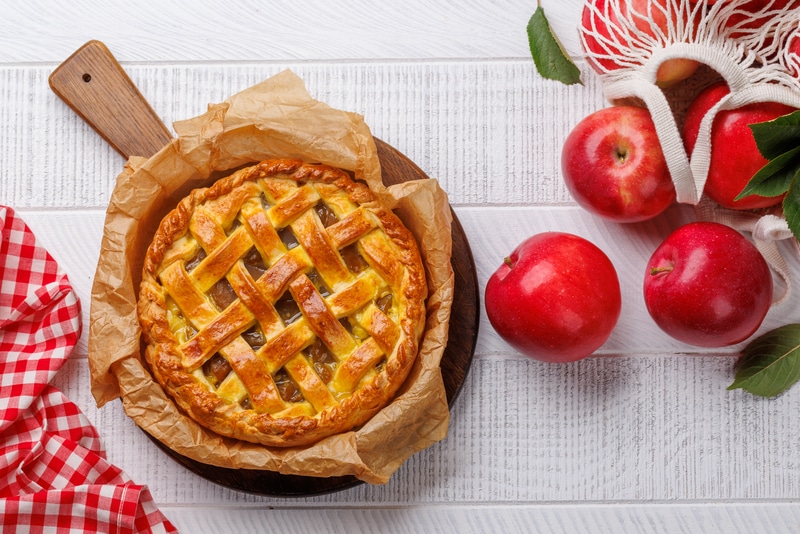
When baking apple pie, achieving the ideal fruit texture can be surprisingly tricky.
Crunchy apples in a finished pie usually result from a few clear causes. The apple variety, slice thickness, preparation method, and baking time all affect whether the fruit becomes soft or stays firm.
Pectin, Acid, Sugar, and Heat
Apples contain pectin, a type of carbohydrate that helps give raw apples their firm structure. Heat changes the apple’s cell walls and gradually softens the fruit, which is why sufficient temperature and baking time are important.
If your apples do not receive enough heat, or do not receive it long enough, they may remain crunchy. Utah State University Extension explains how cooking affects apples and how factors such as pectin, acid, and sugar influence the texture and structure of cooked fruit.
Sugar and acid can also affect the filling. Sugar draws water from fruit during maceration, while acidity and apple variety influence how the fruit holds its structure.
The type of apple matters because some varieties naturally soften more slowly than others, even with plenty of heat and time. A small splash of lemon juice introduces acid that strengthens pectin bonds, keeping delicate slices from disintegrating into puree. Natural apple firmness varies by variety, which dictates how quickly the fruit gives way in the heat.
Thick or Uneven Apple Slices
Slice thickness has a major effect on texture. Thick slices need more time and heat to soften through, so the outside may look cooked while the center remains firm.
This often explains why an apple is soft on the outside but still firm in the middle. Uneven slicing causes the same problem in another way. If some pieces are thin and others are thick, they will not cook at the same rate.
Thick, irregular chunks insulate their centers from oven heat, leaving you with crunchy apples hidden under the crust.
For consistent results, cut the apples into slices about ¼ inch thick. Keep the slices as uniform as possible so the heat reaches the fruit at roughly the same pace. This promotes even baking and helps prevent soft edges and hard centers.
Insufficient Baking Time and Oven Temperature
Even with the right apple variety and slice size, the pie needs enough time in a fully preheated oven. Ovens can run hotter or cooler than the displayed temperature, especially if they have not been checked or calibrated recently.
Maintaining the proper baking temperature ensures heat penetrates deep into the center of the filling. If the baking temperature drops too low, the apples take far longer to break down.
When baking apple pie, skipping the preheat step is another common issue. If the pie enters a cool oven, the filling begins cooking below what the apple pie recipe intended, which can leave the apples firm when the timer ends.
If you are wondering why the apples are soft near the outside of the pie but firm in the center, an oven that is too cool or a bake time that is too short is often the reason.
Many recipes start at a high heat such as 425°F or an initial baking temperature of 400°F to set the pie crust before lowering the heat. Baking at 400°F during the opening minutes jump-starts steam generation within the fruit slices.
Dropping the oven temperature to 350°F later in the bake allows the center to soften without scorching the crust. Alternatively, many bakers set their oven to 375°F for the entire baking process. A steady 375°F delivers enough continuous heat to cook raw apples thoroughly without scorching the pastry.
Bake the pie for the full time listed in the recipe, and use an oven thermometer if you suspect the oven temperature is inaccurate.
Choose Apples That Turn Tender Without Becoming Mushy
The apples you choose strongly influence your pie’s texture. Some hold their shape while becoming tender, whereas others become soft quickly or remain firm after baking.
Reliable Varieties for Apple Pie
Some apples are well suited to baking because they soften while retaining some structure.
Here are several good choices:
Granny Smith – tart and firm, with a structure that holds up well during baking
Honeycrisp – sweet and crisp, with slices that can soften while retaining some bite
Braeburn – balanced in flavor and generally suitable for baking
Jonagold – mildly sweet and capable of becoming tender without immediately collapsing
These varieties are commonly used in apple pie because they can become tender while retaining some shape. Granny Smith apples are especially useful when you want a tart filling with firm, gradually softening slices. If you are wondering why your apple pie apples are soft after baking, the variety, slice size, and baking time may all have contributed.
Bakers frequently rely on Braeburn because its crisp texture survives long baking cycles without collapsing into mush. Other traditional favorites include Golden Delicious, which softens into a tender texture, and Northern Spy, a prized pie apple with balanced tartness.
Adding Golden Delicious gives the pie a rich, mellow flavor while breaking down into a pleasantly tender bite. Because Golden Delicious breaks down more readily than ultra-firm varieties, combining it with tarter fruit keeps your pie from turning overly firm.
Many bakers also favor Honeycrisp for its crisp bite and sweet honeyed profile that softens without turning mushy. Similarly, Jonagold holds its shape remarkably well while softening to a luscious, tender consistency.
Apples That Break Down Too Quickly
Some apples are less suitable for a pie in which you want distinct slices. They can break down quickly and leave a mushy, wet filling. Red Delicious and McIntosh can soften rapidly because their texture is relatively tender compared with firmer baking varieties. The pieces may turn saucy before the crust finishes baking.
Bakers generally avoid Red Delicious in pies because its mealy flesh loses all structural firmness when heated. Because Red Delicious lacks the acidity and dense cell structure needed for baking, it quickly turns limp in the oven.
A classic McIntosh behaves similarly under heat, breaking down rapidly into applesauce instead of distinct, tender slices. If you are asking why your apples became soft in a way that feels disintegrated, the variety may be part of the problem.
These apples can taste good fresh but may not retain their form in a long-baked pie. They are often better for snacking, applesauce, or a softer-style filling.
Why Blending Sweet and Tart Apples Works
Mixing apple varieties can balance flavor and texture. Tart apples such as Granny Smith contribute acidity and firmness, while sweeter varieties such as Honeycrisp or Gala add sweetness and a different apple flavor.
Pairing sweeter fruit with Granny Smith apples can create a balanced filling. Incorporating Gala apples provides a gentle floral sweetness that cuts through the tartness. Pairing crisp Honeycrisp or aromatic Jonagold with tart Granny Smith creates an ideal balance of sweetness, acidity, and texture.
A classic blend of tart Granny Smith and sweet Golden Delicious remains a timeless favorite among bakers for this exact reason. A ratio of two tart apples for every one sweet apple is one option, but the best proportion depends on the varieties and the desired flavor.
Because Gala cooks down faster than denser varieties, combining it with firm apples ensures a pleasant mix of textures. Blending varieties can also produce a more varied texture because different apples soften at different rates.
According to Serious Eats’ guide on skipping the precook step, macerating the apples can draw out liquid before baking, which may help produce a thicker filling.
Prepare the Filling for Even Softening
Helping apples soften evenly starts before they enter the oven. Preparing a balanced apple filling and managing how you cut the fruit can make a significant difference in avoiding an undercooked apple pie.
Slice Apples Uniformly
Cut the apple slices to the same size and thickness. If some pieces are thick and others are thin, the thin pieces may become mushy while the thick pieces remain firm.
Aim for slices about 1/4 inch thick. This size generally cooks evenly while allowing the apples to retain some shape. Tossing freshly cut apples with a small amount of lemon juice can help slow browning while you prepare the remaining ingredients.
Use a sharp knife or mandoline slicer to keep the cuts consistent. Running apples across a mandoline guarantees uniform pieces that cook at the exact same pace. Do not rush this step. Taking a few extra minutes to slice carefully can help prevent hard pieces of apple in the finished pie.
How to Soften Apples on the Stovetop
Baking raw apples directly in the pastry requires significant oven time to penetrate every slice. Pre-cooking apples on the stovetop in a Dutch oven before baking is one of the most controllable methods for softening apples for apple pie. It lets you check the texture before the fruit goes into the crust.
Here is a simple method:
Melt butter, ideally unsalted butter, in a Dutch oven over medium heat.
Add the sliced apples and cook for 5-7 minutes, stirring often.
Stop when the apples are beginning to become tender but still hold their shape.
Add the sugar and thickener after the apples begin to soften, following the recipe’s instructions.
A heavy Dutch oven distributes heat gently and evenly across the apple slices, preventing scorch marks while they soften. Cooking the fruit gently in melted unsalted butter coats each slice and enriches the filling.
This step can also release some of the apples’ liquid before assembly, which may help reduce a watery filling and protect the bottom crust. Serious Eats recommends macerating sliced apples to draw out excess moisture before baking, while its apple pie techniques also use precooking to reduce liquid and produce a thicker, more stable filling.
Pre-cooking ensures perfectly tender apples in the finished pie because the softening process is already underway before baking begins. Simmering the fruit with brown sugar, a sprinkle of granulated sugar, and a pinch of salt helps draw out juices while enhancing depth of flavor.
Folding in a dash of ground nutmeg and ground cinnamon at this stage lets the warm spices bloom gently in the butter. Adding a light pinch of allspice helps build complex warmth as the juices simmer.
Practicing pre-cooking apples also condenses the filling volume, preventing hollow pockets from developing under the top crust. Preparing the apple pie filling this way gives you full control over the final texture before baking.
When Microwave or Oven Pre-Cooking Makes Sense
Sometimes the stovetop is not the most convenient option. In those cases, the microwave or oven can help begin softening the apples.
Microwaving sliced apples for 2-3 minutes may soften them enough to start the cooking process. Use a microwave-safe bowl, cover it loosely, and check the texture because cooking time varies with slice thickness, quantity, and microwave power.
Oven precooking is another option. Spread the apple slices on a baking sheet and roast them at 375°F for about 10 minutes, checking for tenderness. This can evaporate some moisture and soften the apples before they go into the pie shell.
Either method can reduce the risk of hard apples after baking. Precooking may also shorten the time the crust needs to remain in the oven, which can help prevent overbrowned edges while the filling finishes cooking.
Bake the Pie Until the Filling Is Truly Done
A critical step in baking apple pie is checking that heat has penetrated completely to the core before pulling the dish from the oven.
Many bakers remove a pie too early because the crust looks ready. A golden crust does not always mean the apples inside are fully tender, so check the filling as well as the crust.
Visual and Texture Signs of Doneness
Look through the top crust or the vents you cut into it. Thick, bubbling juice pushing through the slits is a strong sign that the filling has cooked sufficiently.
Thin or watery juice usually means the pie needs more time. You can also gently press the center of the pie with a spatula. A fully baked apple pie should feel slightly yielding, similar to set gelatin. If the center feels stiff or the apples underneath still feel firm, the pie is likely undercooked.
When the apple pie filling is fully cooked, a skewer inserted into the center should slide through with gentle resistance. You can also test the center using a digital food thermometer. The internal temperature of the filling should register around 200°F to ensure the fruit and thickeners cook completely.
An undercooked apple pie often has a pale, unset filling that looks more like apple juice than a thick sauce. King Arthur Baking recommends looking for a golden-brown crust and filling that is actively bubbling around the edges or through the vents as key signs that a fruit pie is done. The filling may still appear somewhat liquid when the pie first comes out of the oven, but it continues to thicken as it cools.
Protecting the Crust While Extending the Bake
If your pie crust looks done before the filling is ready, you do not need to remove the whole pie. Instead, protect the pie crust so it does not burn while the filling continues cooking.
Here are a few simple methods:
Foil ring or pie shield: Slip a pie shield over the edges or wrap a strip of aluminum foil around the edge of the crust to slow browning.
Full foil tent: Loosely cover the entire pie with aluminum foil if both the edge and top are browning too quickly.
Lower rack position: Move the pie to a lower oven rack so the top is exposed to less direct heat.
These steps can let you extend the baking time by 10 to 20 minutes without overbrowning the crust. King Arthur Baking recommends protecting the crust with foil or a pie shield if it is browning too quickly and notes that positioning the pie in the lower part of the oven can help the bottom crust bake properly while reducing the risk of excessive browning on top.
Resting the Pie Before Slicing
Once your pie comes out of the oven, the filling is still very hot and loose. Cutting into it immediately can cause the juices to spill out, leaving a runny slice even if the pie was baked correctly.
Letting the pie rest for at least 3 to 4 hours allows the filling to firm as it cools. This resting period lets the starches and pectin set, similar to how gelatin thickens as it cools.
If you are wondering why your apple pie is dry after slicing it too soon, this step may be the missing piece. Skipping the rest can make a well-baked pie look undercooked or runny, even when it is not.
Control Excess Liquid While Keeping Apples Tender
To control excess liquid in apple pie while keeping the apples tender, choose the right thickener, use an appropriate amount of sugar, and prepare the crust to resist sogginess. The goal is to thicken the released juice without baking away the moisture that keeps the apples soft.
Why Apples Release So Much Juice
Apples contain a high percentage of water. As they bake, heat softens their cell structure and releases some of that water as juice. This is often why your apple pie is watery or why your apple pie is runny after slicing. Some apple varieties release more juice than others.
Varieties such as McIntosh and Empire can soften quickly and release substantial juice, while firmer, tart apples such as Granny Smith generally hold their shape better.
King Arthur Baking notes that different apple varieties behave differently when baked, with firmer varieties generally retaining more structure and softer varieties breaking down more readily during cooking.
If you use a mix of apple varieties, some may break down faster than others. This uneven cooking can leave you with both soft spots and liquid pooling at the bottom of the pie.
Use Thickener and Sugar in the Right Proportions
Skipping a thickener is one of the main reasons your apple crumble is watery or your apple-pie filling turns runny. Cornstarch and flour, along with tapioca starch, absorb and bind liquid as the filling bakes.
Standard all-purpose flour is a popular thickener choice that creates a smooth, homestyle consistency without clouding the apple flavor. Because all-purpose flour thickens gradually, it helps keep the juices cohesive without turning jelly-like.
A well-thickened apple pie filling keeps its shape on the plate rather than pooling into liquid. Tapioca starch is one option because it can produce a clear, smooth filling when used correctly. Try using about 1 ounce of tapioca starch for every 4 1/2 pounds of apples, unless your recipe specifies a different amount.
King Arthur Baking explains that the amount of thickener needed depends on factors such as the type and juiciness of the fruit, so the ideal quantity can vary by apple variety and recipe.
Sugar also affects the filling. Too much sugar can draw additional juice from the apples through osmosis, which may overwhelm the thickener. Using measured granulated sugar alongside brown sugar draws out fruit syrup without leaving behind excess moisture.
Stay close to the amount your recipe calls for. Tossing the thickener evenly with the apples and sugar before filling the crust helps prevent clumps and dry patches. If you pre-cook your filling on the stovetop, stirring in a cornstarch slurry helps thicken bubbling juices quickly without lumps.
Prevent a Soggy Bottom Crust
A soggy bottom crust develops when liquid from the filling soaks into the pie dough before the crust sets. Depending on the recipe, you can reduce this risk by pre-baking the bottom crust for about 10 minutes before adding the filling.
Pre-baking helps the crust begin to set and slows moisture absorption. Chilling your pie dough thoroughly before assembling the pie also keeps the fat solid, resulting in crisp, flaky layers.
Cutting slits or vents in the top pie crust lets steam escape instead of trapping it inside the pie. Baking on a preheated baking sheet at 400°F directs instant heat to the base of the pie, setting the pie dough before juices can seep through.
Letting the pie cool for at least two hours before slicing gives the filling time to set. For the cleanest slices, many fruit pies benefit from a longer cooling period, such as 3 to 4 hours.
Avoid Common Filling Mistakes on Future Pies
Small changes to how you fill and season your pie can help prevent hard apples, soggy crusts, and dry filling. Pay attention to the amount of filling and the balance between wet and dry ingredients.
Overpacking or Underpacking the Pie Shell
Too much apple filling can trap steam and prevent the apples from cooking evenly. This often leaves hard pieces in the center of the pie. Too little filling causes the opposite problem. The apples shrink as they cook, creating a hollow pie gap beneath the top crust and making the filling seem dry.
Aim for filling that sits slightly above the rim of the pie dish, mounded in the center. This gives the apples room to soften without leaving large empty pockets as they cook down.
Arranging the apple pie filling tightly minimizes gaps that can cause the pie crust to sink. A properly filled pie also helps the crust maintain its shape instead of caving in. King Arthur Baking recommends arranging apple slices closely, filling any gaps, and gently pressing the apples down so the filling is snug against the crust and less likely to settle excessively during baking.
Balancing Moisture, Sweetness, and Spices
Why is my apple pie watery? This usually happens when the apples release more liquid than the filling can absorb. Adding a thickener such as flour, cornstarch, or tapioca starch helps bind excess juice as the pie bakes.
Why is my apple pie dry? This can happen if you use too much thickener or bake the pie too long. It can also happen when the apples have relatively low moisture or are naturally dry in texture.
Sugar draws moisture from apples, so adding too much can make the filling watery before the thickener has fully set. Combining brown sugar with white granulated sugar adds rich flavor while keeping the moisture balanced. A teaspoon of fresh lemon juice can also brighten the fruit flavor, although the amount should match the recipe.
A splash of reduced apple cider deepens the apple flavor without thinning the syrup.
Spices such as cinnamon, cloves, allspice, and nutmeg add classic warmth to the fruit. A generous measure of ground cinnamon provides a sweet, aromatic base that complements firm apples.
Whisking ground cinnamon, ground nutmeg, ground cloves, and a pinch of allspice into your sugar mixture distributes seasoning evenly across the fruit. A pinch of salt enhances those spices and balances the sweetness.
A subtle pinch of cloves complements tart varieties like Granny Smith. Use cloves sparingly so their robust flavor does not overpower the fruit.
Adding a fine measure of salt brings out the fruit’s natural sweetness while mellowing any harsh spice notes.
Freshly grated nutmeg provides a lively, fragrant aroma that lifts the rich fruit flavors. A light touch of ground nutmeg adds subtle warmth that ties the spice blend together.
Balanced spices ensure your apple pie filling tastes aromatic without masking the natural apple flavor.
For a safe taste check, sample a small amount of the raw filling before it goes into the crust, then discard the sample and wash the utensil. It should taste mildly sweet and lightly spiced, not overly sugary or bland.
A Quick Troubleshooting Checklist
Keeping essential apple pie baking tips in mind will prevent undercooked fruit and crunchy apples.
Use this checklist before your next bake:
Apple type: Choose firm baking apples, such as Granny Smith or Honeycrisp, for better texture.
Slice thickness: Cut apples about ¼ inch thick so they cook evenly.
Precooking: Sauté apples briefly to soften them and release some excess liquid.
Thickener: Add cornstarch or flour, such as all-purpose flour, to help prevent a watery filling.
Sugar and spice: Measure sugar, cinnamon, cloves, allspice, and nutmeg carefully, ensuring ground cinnamon and ground nutmeg are evenly distributed.
Bake time: Bake until the filling bubbles through the vents, not merely until the pie crust browns.
Running through this list can help you catch small mistakes before they affect the finished pie.
Consider a Cast Iron Pan for Baking Apple Pie
If you want an apple pie with a crisp, golden crust and a well-baked filling, a cast iron skillet is an excellent option. Its ability to retain and distribute heat can help the crust develop a deep golden color while keeping the filling evenly heated.
One of the best-known options is the Lodge 10.25-Inch Cast Iron Skillet. Its generous size provides enough room for a standard apple pie, while the heavy cast iron construction retains heat throughout baking.
Why Choose the Lodge 10.25-Inch Cast Iron Skillet?
The skillet offers several features that make it particularly useful for baking pies:
Pre-Seasoned Surface: The skillet comes pre-seasoned with a natural finish that provides a relatively easy-release cooking surface and can improve with regular use and proper care.
Durable Cast Iron Construction: Cast iron is exceptionally durable and, when properly maintained, can provide many years of reliable use.
Excellent Heat Retention: Cast iron holds heat well, helping maintain a consistent baking environment and encouraging thorough browning of the bottom crust.
A Versatile Pan for Home Bakers
The Lodge 10.25-Inch Cast Iron Skillet is useful beyond apple pie. It can also be used for other desserts, rustic fruit pies, cornbread, skillet cakes, and a variety of savory dishes.
For home bakers who want a durable pan that can move from the stovetop to the oven, a well-maintained cast iron skillet can be a practical addition to the kitchen.
FAQ: Why Are My Apples Not Soft in My Apple Pie?
Apples may remain firm when they are not baked long enough or when the apple variety holds its structure well during cooking. The size and thickness of the apple slices also matter, with thicker pieces generally taking longer to soften.
How Do You Make Apples Softer in Apple Pie?
Slice the apples evenly and thinly enough to cook through during the pie’s baking time. Using an apple variety that softens well when baked can also help produce a more tender filling.
Should You Cook Apples Before Putting Them in a Pie?
Pre-cooking the apples is optional but can help ensure they become tender before the crust is fully baked. It also allows some of the apples’ moisture to evaporate, which can help reduce a watery filling.
What Apples Stay Hard When Baked?
Some apples retain their structure better during baking and may remain firmer than softer-cooking varieties. If you prefer a very tender filling, choose apples known to soften during cooking rather than relying on a variety that holds its shape strongly.
Does Cutting Apples Smaller Make Them Softer in Pie?
Yes. Smaller or thinner apple pieces have more surface area exposed to heat, allowing them to soften more quickly than large, thick pieces. Keeping the pieces relatively uniform also helps them cook at the same rate.
Can You Fix Undercooked Apples in Apple Pie?
If the crust is already well browned but the apples are still firm, cover the crust loosely with foil and continue baking until the filling is tender. This protects the crust from excessive browning while giving the apples additional time to cook.


 When baking apple pie, achieving the ideal fruit texture can be surprisingly tricky.
 The apples you choose strongly influence your pie’s texture. Some hold their shape while becoming tender, whereas others become soft quickly or remain firm after baking.
 Helping apples soften evenly starts before they enter the oven. Preparing a balanced apple filling and managing how you cut the fruit can make a significant difference in avoiding an undercooked apple pie.
 A critical step in baking apple pie is checking that heat has penetrated completely to the core before pulling the dish from the oven.
 To control excess liquid in apple pie while keeping the apples tender, choose the right thickener, use an appropriate amount of sugar, and prepare the crust to resist sogginess. The goal is to thicken the released juice without baking away the moisture that keeps the apples soft.
 Small changes to how you fill and season your pie can help prevent hard apples, soggy crusts, and dry filling. Pay attention to the amount of filling and the balance between wet and dry ingredients.
 If you want an apple pie with a crisp, golden crust and a well-baked filling, a cast iron skillet is an excellent option. Its ability to retain and distribute heat can help the crust develop a deep golden color while keeping the filling evenly heated.
 Apples may remain firm when they are not baked long enough or when the apple variety holds its structure well during cooking. The size and thickness of the apple slices also matter, with thicker pieces generally taking longer to soften.


