Why Baking Makes You Feel Happier? The Psychology Behind It
You mix flour, sugar, and butter. You wait for dough to rise. Then something happens in your brain that can make you feel calm and happy.
Baking can make you feel happier by engaging your senses, giving you a sense of control, and producing a tangible result you can see, smell, and taste.Research on artisan bread making found that people who took part in sourdough baking workshops felt more relaxed and less stressed afterward. The smell of bread, the sound of mixing, and the sight of dough becoming a finished loaf all contributed to this shift in mood.
Baking can also give you a break from daily stress. It asks you to focus on one task at a time, which may quiet a busy mind. This focused activity can support your well-being and give you a sense of achievement when you take something out of the oven.
How Baking Can Lift Your Mood
Many of the benefits of baking come from giving your brain a break from stress and providing a tangible result. Together, these experiences help explain why many people feel calmer and happier after spending time in the kitchen.
Focused Attention and a Break From Worries
When you bake, you have to pay attention to what you’re doing. You need to measure ingredients, follow steps in order, and watch the clock.
This focus can leave less room for worry. Your mind is occupied with the task in front of you rather than replaying stressful thoughts.
Kaiser Permanente notes that baking can help you clear your head and de-stress by keeping you present in the moment instead of focused on past or future stressors. This is one reason baking is often used as a form of stress relief.
You don’t need to be an expert baker to experience the benefits of baking. Even simple tasks, like measuring flour or watching dough rise, can draw your attention away from anxious thoughts.
The Satisfaction of Making Something Tangible
Baking gives you something you can see, touch, and share when you finish. This differs from many daily tasks that have no clear endpoint.
Watching a recipe come together step by step, from mixing to baking to cooling, gives you a sense of progress. You can see your effort turn into a tangible result.
Research on cooking and mental health suggests that hands-on activities like baking can be associated with a better mood on the same day or the next. The physical act of creating something may contribute to this effect.
Sharing what you baked with others can add to the satisfaction. Giving cookies to a neighbor or bringing bread to a friend turns your effort into a way to connect with people around you.
Mindfulness Through Your Senses
Baking can draw your attention into the present moment by engaging your senses. When you focus on what you smell, feel, and hear, your mind may have less room for stress.
Noticing Smells, Textures, and Sounds
Your kitchen becomes a full sensory experience when you bake. The smell of cinnamon or fresh bread fills the air. Your hands feel sticky dough or smooth batter. You hear the soft whir of a mixer or the crack of an egg.
These details can draw your focus away from worry. You start paying attention to small things, like how flour feels between your fingers. This is a form of mindfulness through sensory engagement, in which your senses guide your attention instead of stress.
Finding Calm in Repetitive Movements
Repeated actions, like kneading dough or stirring batter, can feel calming. Your body settles into a steady rhythm, and this movement may help quiet your thoughts.
Some experts compare this to gentle exercise for the mind. As you knead bread, you can practice bringing your attention back to your senses whenever your mind wanders.
Why a Recipe Can Feel Reassuring
A recipe gives you a plan to follow when things around you feel unclear. This structure can support your well-being: clear steps reduce the guesswork and help you focus on the task in front of you.
Clear Steps and Manageable Decisions
A recipe breaks a larger task into small, clear steps, so you don’t have to guess what comes next.
Each step tells you what to do:
Measure the flour
Mix the wet ingredients
Fold them together
Set the oven temperature
This reduces the pressure of making too many choices at once. You only need to decide one small thing at a time, like how long to mix or when the batter looks ready.
This structure can feel calming. Baking gives your mind a clear path to follow, which may lower stress in the moment. Instead of facing an open-ended task, you know what step comes next and what it should look like when done correctly.
Small Successes That Build Confidence
Each step you finish gives you a small win. Watching dough rise or seeing batter turn golden in the oven shows that your effort is paying off.
These small successes can add up:
You follow the first step correctly
You see a result that matches what the recipe describes
You move to the next step with more trust in your skills
This pattern can build confidence as you bake. Instead of judging only the final product, you get feedback along the way that you’re doing something right.
That steady feedback can boost your mood. Each finished step can remind you that you’re capable, which may carry over into how you feel about the rest of your day.
Creativity Without the Pressure to Be Perfect
Baking gives you a way to be creative without the fear of judgment that can come with other art forms. You can experiment freely because even an imperfect result is usually edible and may still taste good.
Expressing Yourself Through Flavors and Decoration
You make choices at every step of baking. You pick the flavors, colors, and decorations for the finished product.
There is no single right answer. You might add extra cinnamon, swap in a different fruit, or pipe frosting in an uneven pattern that feels like your own.
These small decisions let you express yourself without formal art training. You are not copying a picture or following strict rules like you might in a painting class.
Instead, you follow a basic structure and make it your own. This freedom is part of why baking can offer a blend of creativity, connection, and stress relief for many people.
What Everyday Creativity Research Suggests
Baking is an everyday creative activity, similar to drawing, gardening, or playing music. Researchers have studied how these small acts of creativity affect daily mood.
Studies suggest that taking part in creative activities like cooking and baking is linked to better mood and improved well-being on the days people do them. You do not need to create something perfect for this benefit to apply.
The value comes from the activity itself, not just the outcome. Even if your cake sinks or your cookies spread too thin, you may still benefit from the process.
This matches what psychologists call low-stakes creativity. You get to be creative without pressure, which can make baking a practical option for a mental boost without requiring artistic skill.
The Joy of Baking for Others
Baking for other people gives you a reason to bake beyond your own enjoyment. It also lets you show care and feel closer to the people around you.
Sharing Food as an Act of Care
When you bake something for someone else, you give them more than food. You show that you thought about them and took time to make something for them.
This can help when words are hard to find. Bringing baked goods to someone who is grieving is a long-standing custom, and it lets you offer support without needing the right words, according to a professor of psychological and brain sciences quoted by HuffPost.
Baking for others is also a form of altruism: doing something kind without expecting anything in return. This kind of giving is linked to your own well-being, as acts of care may boost your mood while helping the person receiving the food.
You do not need a special occasion to bake for someone. A batch of cookies for a coworker or a loaf of bread for a neighbor can be just as meaningful as a store-bought gift.
Baking Together and Building Connection
Baking with other people turns a solo task into a shared one. You measure, mix, and wait together, and that shared effort can build a bond that lasts beyond your time in the kitchen.
Group baking also creates a natural setting for conversation. Working with your hands can make talking feel more natural and less forced than sitting across a table with nothing to do.
This kind of shared activity also appears in art and performance projects, where bakers use the process of making and sharing cake to bring an audience together in durational baking performances.
Baking with kids, friends, or family offers a low-pressure way to spend time together. There is a clear goal, an endpoint, and something to share when you are done, which can make the time feel worthwhile.
What the Evidence Does and Does Not Show
Some claims about baking and mood are supported by research, while others rely on small studies or broader ideas about creative activities. It helps to know the difference before accepting every claim you read online.
Findings on Creative Activities and Mood
Research on creative activities suggests a link to better mood and lower stress. Studies on hobbies such as knitting, painting, and baking suggest these activities may promote calm and focus.
These activities may help partly by drawing your attention away from daily worries. When you focus on a task with clear steps, such as following a recipe, you may have less room to dwell on stress.
Experts have suggested that structured tasks like baking can serve as a form of mindfulness practice. Psychology researchers who study stress relief have noted that creative outlets like baking and knitting are linked to well-being.
Why Baking-Specific Claims Need Caution
Not every claim about baking is backed by strong evidence. Many articles link cooking and baking to happiness, but some rely on personal stories rather than controlled studies.
Be cautious with claims that describe precise chemical reactions in your brain caused by baking alone. Much of the research on baking and mood is based on small samples or self-reported data rather than large clinical trials.
Some everyday benefits of baking, such as feeling proud after finishing a recipe, are easier to establish than claims that baking can “cure” anxiety. Look for claims that say “may help” or “is linked to,” rather than promises of guaranteed results.
Baking and Mental Health
Baking may support mental well-being by providing routine, a sense of control, and a break from stress. It is not a cure for depression, but it can be one small activity that helps you cope on hard days.
How a Kitchen Routine May Help on Difficult Days
A simple baking routine can add structure to your day. When you feel low, a task with clear steps can make things feel more manageable.
Measuring flour, mixing dough, and watching bread rise gives your hands and mind something to focus on. This may draw your attention away from negative thoughts for a while.
Research offers some support for these real-world benefits of baking. A study on sourdough workshops found that participants reported less stress and more relaxation after baking. The sights, sounds, and smells of bread making also played a role in these reported mood improvements.
Baking also gives you a finished product. Seeing and tasting something you made can lift your mood and provide a sense of accomplishment, even on a day when little else feels productive.
Why Baking Is Not a Treatment for Depression
Baking may help you feel better in the moment, but it does not treat depression. Depression is a medical condition that often requires professional care, such as therapy or medication.
Do not use baking as a replacement for treatment. Think of it as one coping tool among many, not a cure.
Some experts note that baking may offer mental health benefits, including stress relief and a creative outlet. These potential benefits are short-term mood boosts, not long-term treatment for a clinical condition.
If you are dealing with depression, talk to a doctor or therapist. You can still bake for enjoyment and stress relief, but pair it with appropriate support and treatment.
How to Make Baking More Relaxing
A few small changes can make baking feel less like a chore and more like a calm, enjoyable activity. Choosing the right recipe and paying attention to each step can help you enjoy the process.
Choose a Simple Recipe and Set a Comfortable Pace
Pick a recipe with few steps and ingredients you already know how to use. A complex recipe with tight timing can add stress instead of easing it.
Give yourself more time than you think you need. Rushing to meet a deadline can defeat the purpose of baking for stress relief.
Try recipes like:
Basic banana bread
Drop cookies
No-knead bread
Simple muffins
These options let you focus on the task instead of worrying about mistakes. A slow, steady pace also gives your mind time to settle and can support the mindfulness that makes baking feel calming.
Pay Attention to the Process, Not Just the Result
Notice what happens as you work. Feel the texture of the dough. Watch the batter change as you mix it. Smell the ingredients as they combine.
This kind of attention keeps your mind on the present moment instead of outside worries. It is a simple form of mindfulness, and sensory-rich activities like cooking may reduce stress and support well-being.
Do not make the finished product your only goal. A slightly uneven loaf or a lopsided cake does not undo the value of the time you spent making it. The process matters, not just the outcome.
When Baking Feels Frustrating Instead
Baking does not always go as planned, and that is normal. A sunken cake or burnt cookies can be frustrating, so baking may not support your well-being in the moment.
Handling Mistakes and Unrealistic Expectations
Mistakes happen to every baker, even experienced ones. Your cake might collapse. Your cookies might spread into one big blob. Your bread might not rise the way you hoped.
These moments can feel disappointing, especially if you expected a perfect result. But baking is not about getting it right the first time.
It is normal to feel let down when something goes wrong. What matters is what you do next. Trying again after a failed bake can teach you patience and help you adjust your approach.
Some tips for handling mistakes:
Lower the pressure. Aim for “good enough” instead of perfect.
Look for the lesson. A dense loaf might mean you need more kneading time.
Keep trying. Most bakers improve through repeated attempts, not one perfect try.
Making Room for Different Needs and Energy Levels
Baking is not the same experience for everyone. Some days, you may have the energy and focus to follow a long recipe. Other days, measuring flour may feel like too much.
Your needs can also depend on your mood, health, and available time. If a recipe feels overwhelming, choose a simpler one.
For neurodivergent people, sensory experiences can make baking feel calming or overwhelming. Loud mixers, sticky dough, or strong smells may feel like too much on some days. On other days, those same sensations may feel soothing.
Pay attention to what your body and mind need before you start. Adjust your baking plans to your energy level instead of pushing yourself to keep up with a recipe.
Finding the Right Creative Outlet for You
Baking is not the only creative activity that can support a calmer mind. Different activities suit different people, so consider what fits your personality and schedule.
When Cooking or Another Activity Fits Better
Baking often follows precise steps: you measure ingredients, follow instructions in order, and bake for a set time.
Cooking usually offers more room to improvise. You can taste as you go, swap ingredients, and adjust along the way. If you like structure, baking may suit you better. If you prefer flexibility, cooking may feel more natural.
Other creative activities can help, too. Drawing, gardening, playing music, and knitting all engage your hands and attention in similar ways.
The goal is to find an activity that holds your attention without adding pressure. Research links everyday creative activities like cooking and baking to improved mood, so choose an activity that feels engaging to you.
Try a few options before settling on one. What feels relaxing to one person may feel stressful to another.
Keeping Enjoyment Separate From Obligation
A creative outlet supports your well-being only when it remains enjoyable. If baking or cooking starts to feel like a chore, it may add stress instead of relieving it.
Avoid treating baking or cooking like a job with deadlines or high expectations. Let go of the pressure to make something perfect or impressive every time.
Bake or cook because you want to, not because you feel obligated. Keep sessions short if that helps you feel relaxed rather than overwhelmed.
Watch for signs that baking or cooking has become an obligation:
You feel anxious before starting
You judge the result harshly
You skip it because it feels like work
You compare your results to others online
If any of these signs apply, scale back. Choose simpler recipes or shorter projects until baking or cooking feels enjoyable again.
FAQ: Why Does Baking Make You Feel Happier?
Baking can feel enjoyable because it combines creative activity, routine, sensory experiences, and a tangible result. Measuring ingredients, mixing dough, and watching something develop in the oven can provide a satisfying sense of progress and accomplishment.
Can Baking Reduce Stress?
For some people, baking can be a relaxing activity because it encourages them to focus on a series of simple, structured tasks. Research on everyday creative activities suggests that engaging in creative pursuits can be associated with greater positive feelings.
Why Does the Smell of Baking Make You Feel Good?
The smell of freshly baked bread, cakes, or cookies can create pleasant sensory experiences and may also trigger memories associated with particular people, places, or occasions. These personal associations can contribute to feelings of comfort and enjoyment.
Does Baking Give You a Sense of Achievement?
Yes. Completing a recipe provides a clear, tangible outcome, which can create a sense of accomplishment. Successfully making something from basic ingredients can also encourage feelings of competence and satisfaction.
Can Baking Be a Creative Activity?
Yes. Baking involves creativity through flavor combinations, decoration, shaping, and presentation. Even when following a recipe, there are often opportunities to make choices about ingredients and appearance.
Can Baking Bring People Together?
Yes. Baking can be a social activity when people prepare food together or share what they have made with family, friends, or colleagues. Sharing homemade food can create opportunities for conversation and social connection.
Is Baking Good for Everyone’s Mood?
Not necessarily. Baking can be enjoyable and relaxing for some people, but it is not a guaranteed way to improve mood. Individual experiences vary depending on personal preferences, circumstances, and the activity itself.
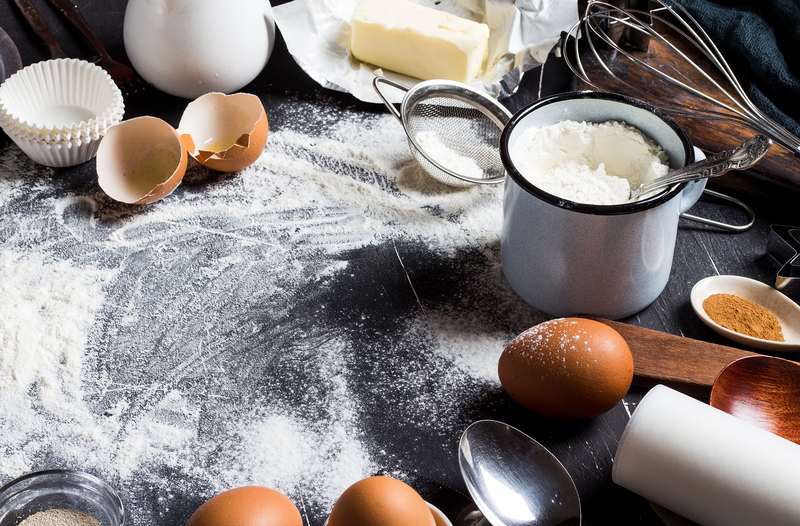


 Many of the benefits of baking come from giving your brain a break from stress and providing a tangible result. Together, these experiences help explain why many people feel calmer and happier after spending time in the kitchen.
 A recipe gives you a plan to follow when things around you feel unclear. This structure can support your well-being: clear steps reduce the guesswork and help you focus on the task in front of you.
 Baking gives you a way to be creative without the fear of judgment that can come with other art forms. You can experiment freely because even an imperfect result is usually edible and may still taste good.
 Baking for other people gives you a reason to bake beyond your own enjoyment. It also lets you show care and feel closer to the people around you.
 Some claims about baking and mood are supported by research, while others rely on small studies or broader ideas about creative activities. It helps to know the difference before accepting every claim you read online.
 Baking may support mental well-being by providing routine, a sense of control, and a break from stress. It is not a cure for depression, but it can be one small activity that helps you cope on hard days.
 A few small changes can make baking feel less like a chore and more like a calm, enjoyable activity. Choosing the right recipe and paying attention to each step can help you enjoy the process.
 Baking does not always go as planned, and that is normal. A sunken cake or burnt cookies can be frustrating, so baking may not support your well-being in the moment.
 Baking is not the only creative activity that can support a calmer mind. Different activities suit different people, so consider what fits your personality and schedule.
 Baking can feel enjoyable because it combines creative activity, routine, sensory experiences, and a tangible result. Measuring ingredients, mixing dough, and watching something develop in the oven can provide a satisfying sense of progress and accomplishment.


