Should I Brush Bread with Butter Before Baking? What It Does and When to Use It
Brushing bread with butter before baking gives you a golden, glossy crust and a subtle boost in flavor.
Yes, brushing your dough with melted butter before it goes in the oven can improve both the look and taste of your bread, though the effect depends on the type of loaf you’re making.
Bread baking is full of small choices that add up to a big difference in the final result. Butter is one of those choices. It affects how your crust browns, how it feels when you bite into it, and even how your kitchen smells while the bread bakes.
If you’ve ever wondered whether brushing bread with butter is worth the extra step, you’re not alone. This article breaks down what butter actually does to your dough, how it compares to buttering after baking, and how to decide what works best for your recipe.
The Short Answer: Choose Butter for a Softer, Richer Finish
Brushing your bread with butter before baking gives you a soft crust with a rich, buttery flavor. It works best for certain breads and styles, but not all.
When Pre-Bake Butter Is a Good Choice
Use melted butter before baking when you want a tender crust and a warm, buttery taste baked right in.
This works well for soft dinner rolls, sandwich loaves, and pull-apart breads. The butter soaks into the dough’s surface as it bakes. This softens the crust texture and adds flavor throughout, not just on top.
Melted butter also spreads more evenly than softened butter. It gets into small cracks and folds in the dough, so you get consistent coverage. This matters most on shaped breads like braided loaves or rolls with multiple folds.
Good uses for pre-bake butter:
Soft sandwich bread
Dinner rolls
Braided loaves like challah
Pull-apart bread
When to Skip It for a Crisper Crust
Skip the pre-bake butter if you want a crisp crust with a hard bite, like on baguettes or sourdough.
Butter contains fat, and fat softens gluten strands on the surface. This is great for tender bread, but it works against you when your goal is a crisp crust. The fat coats the starches and stops them from hardening the way they would without it.
If you still want buttery flavor with a crisp crust, brush the bread with melted butter after baking instead. This adds flavor without softening the crust while it forms in the oven.
What Butter Does to the Crust, Color, and Flavor
Butter changes three things on your loaf: how brown the crust gets, how the surface feels, and how much flavor stays after baking. Each effect depends on when you apply it and how much you use.
How Butter Promotes Browning
Butter contains milk solids and sugar. When these hit high heat, they trigger the Maillard reaction, which is the chemical process that creates browning.
This is why buttered crusts often turn a deeper golden-brown crust compared to plain dough. The fat content in butter also helps heat transfer more evenly across the surface.
You need to watch your oven temperature, though. Butter can cause over-browning if your loaf bakes too long or too hot, since the milk solids in butter scorch faster than plain crust would.
A good range for most loaves is 375°F to 425°F. This gives you a golden crust without burning the butter on top.
How Fat Changes Surface Texture
Butter softens the outer layer of dough as it bakes. The fat coats the surface, which slows moisture loss and keeps the crust from turning rock-hard.
This is different from egg wash, which mainly adds shine. Butter adds both a glossy finish and a softer bite.
Here’s how the timing affects texture:
Before baking: Butter melts into the dough surface, creating a slightly crisp but tender crust.
After baking: Butter sits on top, softening the crust more and adding a light sheen.
Either method avoids the dry, hard crust you sometimes get from unbuttered bread.
How Much Flavor Reaches the Finished Loaf
The amount of buttery flavor you taste depends on when you brush it on.
Butter applied before baking melts into the dough as it cooks. Some of that flavor bakes into the crust itself, but part of it also evaporates from the heat.
Butter brushed on after baking keeps more of its flavor intact, since it never touches direct oven heat. This gives you a stronger, more noticeable butter taste on the finished crust.
If you want a subtle buttery background, brush before baking. If you want a bold, fresh butter taste, brush after the loaf comes out of the oven.
Best Bread Styles for a Butter Brush
Butter works best on rich, soft breads that can handle its weight without losing their shape. Lean, crusty loaves usually need a different approach to get a good crust.
Enriched and Sweet Doughs
Butter is a natural match for enriched doughs like brioche and challah. These breads already contain butter or eggs, so a butter brush adds shine and deepens the golden color.
Sweet breads also benefit from this method. The butter helps highlight the sugar in the dough and gives the crust a soft, tender feel.
You can brush butter on before baking for color, or right after baking for a shinier, softer crust. Many bakers do both for the best result.
Soft Savory Rolls and Flatbreads
Dinner rolls are a classic choice for a butter brush. The butter softens the crust and adds flavor without overpowering the bread.
Focaccia also works well with butter, though olive oil is more traditional. A light butter brush can still enhance the crust’s color and taste.
Other savory breads with a soft texture take well to butter, too. These include:
Potato rolls
Milk bread
Soft sandwich loaves
Butter melts into these breads easily because their crusts are thinner and less crisp than artisan styles.
Lean Artisan Loaves That Need a Different Finish
Artisan bread, like sourdough, ciabatta, and baguettes, is not a good match for butter. These loaves rely on steam and high heat to form a crisp, hard crust.
Butter can make the crust soft or greasy instead of crisp. It can also burn quickly in a hot oven, leading to dark spots instead of an even, golden color.
For these artisan loaves, water or a simple egg wash works better. Water helps create a crackly crust, while egg wash adds shine without softening the surface.
If you want richer flavor on a lean loaf, add butter after baking instead. This keeps the crust intact while still adding taste.
How to Apply Butter Before Baking
The type of butter you use, how you brush it on, and when you apply it all affect your bread’s final crust. Getting these three details right helps you avoid a soggy top or a crust that burns before the inside is done.
Use Melted or Softened Butter Appropriately
Your choice between melted and softened butter changes the result. Melted butter spreads thin and soaks into the dough’s surface. This works well if you want deep flavor and a softer crust, like on dinner rolls.
Softened butter sits more on top of the dough. It creates a thicker layer that browns more and adds a richer texture to the crust.
For most loaves, salted butter or unsalted butter both work fine. Salted butter adds a bit of extra flavor, while unsalted butter gives you more control over the final taste. Cultured butter is another option if you want a slightly tangy, more complex flavor.
Whichever type you pick, make sure it’s not too hot. Butter that’s too warm can melt the dough’s surface and affect how it rises.
Brush Lightly and Evenly
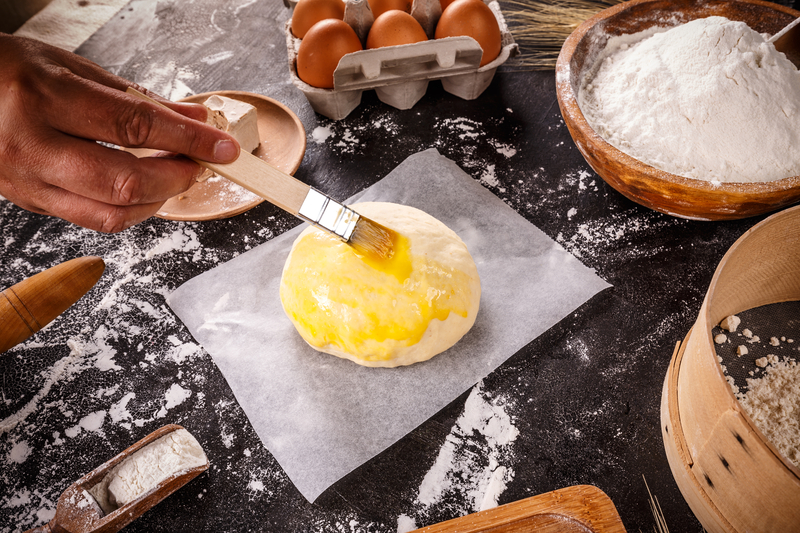
A pastry brush is the best tool for this job. It lets you spread butter in a thin, even layer without soaking any one spot.
Dip the brush lightly, then tap off the extra butter before you touch the dough. Too much butter in one area can cause uneven browning or make the crust greasy.
Work in one direction, covering the entire surface of the loaf or rolls. Pay attention to edges and seams, since these spots often get missed and can end up looking dry or pale after baking.
If you’re brushing multiple rolls, use the same amount of pressure and butter for each one. This keeps the batch looking and tasting consistent.
Time the Application to Avoid Excess Browning
When you brush the butter matters as much as how you brush it. Applying butter right before baking gives you a golden, flavorful crust as it bakes into the dough.
If you brush too early, the butter can soak in too much and leave the top looking flat or pale. If you wait too long, the crust may already be set, and the butter will just sit on top instead of blending in.
For a lighter, less browned finish, brush butter halfway through baking. This lowers the risk of over-browning while still adding shine and flavor.
Watch your oven closely during the final few minutes. Bread can go from golden to burnt quickly, especially with a buttery surface.
Butter Before vs. After Baking
Butter behaves differently depending on when you add it. Brushing it on before baking changes how your crust browns and feels, while adding it after baking changes the flavor and softness of the finished loaf.
Results of Brushing Before Baking
If you brush butter on before baking, the heat causes it to melt into the dough’s surface as it bakes.
This can help create a golden crust, since the milk solids in butter brown as the oven heats up. But butter has a lower burning point than egg wash, so it can turn too dark or even scorch if your oven runs hot.
Butter before baking also softens the crust texture. The fat coats the surface of the dough, which can make the crust less crisp than loaves brushed with egg wash or left plain.
This method works best at moderate oven temperatures, generally between 350°F and 400°F.
Results of Brushing Freshly Baked Bread
Brushing butter on freshly baked bread gives you a different result. Since the loaf is already done cooking, the butter doesn’t bake or brown. Instead, it melts on contact with the hot crust.
This adds a strong buttery flavor right on the surface, without the risk of burning. It also softens the crust slightly, since the melted butter seeps into the outer layer.
Many bakers prefer this method for crusty loaves like sourdough or French bread. It keeps the crust crisp while baking, then adds richness and a softer bite once the bread comes out of the oven.
A Two-Step Method for Extra Richness
You don’t have to choose only one method. Some bakers brush butter both before and after baking to get benefits from each step.
Here’s how it works:
Before baking: Brush a thin layer of melted butter on the dough to help with browning and add a light golden color.
After baking: Brush a second coat of melted butter onto the hot loaf as soon as it comes out of the oven.
This two-step approach can give you a golden crust with balanced color, plus extra buttery flavor and a softer bite on the outside. It works well for dinner rolls, soft sandwich loaves, and other breads where a tender crust matters more than a deep, crisp shell.
Alternative Washes for Different Results
Butter isn’t your only choice for a bread topping. Depending on the crust you want, you can choose from egg wash, water, milk, oil, or even sweet finishes with cinnamon and sugar.
Egg Wash for Deep Color and Shine
If you want a glossy finish with a deep golden-brown crust, use an egg wash. Whisk one whole egg with a tablespoon of water or milk, then brush it over your dough right before it goes into the oven.
The egg yolk gives you that rich color bakers use on brioche and burger buns. If you only use egg white, you’ll still get shine, but the color won’t be as dark.
An egg wash also creates a slightly firm, almost pretzel-like top. This works well if you want your rolls or loaves to look polished for a holiday table or a bakery-style presentation.
Water for a Crackly Crust
Water is the simplest wash you can use, and it gives you a crisp crust without adding shine or color. Brush plain water on your dough before baking, and you’ll get a crackly texture that’s common on French bread and rustic loaves.
Unlike egg or butter, water doesn’t add fat or protein to the surface. This means the crust dries out and hardens instead of softening or browning.
If you want an extra crisp finish, some bakers spray water into the oven itself during baking. This adds steam, which helps the crust crackle even more as it cools.
Oil, Milk, and Flavorful Toppings
Olive oil gives your bread a matte finish with a light golden color, similar to what you’d get with butter. It also keeps the crust soft, which works well for flatbreads or dinner rolls.
Milk creates a softer glow than egg wash, with a light golden-brown color and a slight sheen. It’s a good middle ground if you want more color than water but less shine than egg.
You can also add flavor to your wash or sprinkle toppings on top before baking:
Herbs and spices: rosemary, garlic, or other herbs pressed into an oil or butter wash
Sweet finishes: cinnamon and sugar brushed on with butter for sweet rolls
Extra shine and sweetness: a light coat of honey after baking
Each of these options lets you match the wash to the bread you’re making, whether it’s savory or sweet.
Practical Tips for Consistent Results
Small changes in timing, heat, and storage can make a big difference in how your bread turns out. Here’s how to get steady results every time you bake.
Match the Finish to the Recipe
Not every loaf needs the same treatment. Soft dinner rolls and enriched breads usually look best with butter brushed on before baking, since it helps build a tender, golden crust.
Rustic loaves, like sourdough, often do better with a light butter coating after baking. This keeps the crust crisp instead of soft.
For pastries, brushing butter before baking gives you that classic flaky, golden look. Here’s a quick guide:
Bread Type
Best Time to Brush Butter
Dinner rolls
Before baking
Sourdough
After baking
Pastries
Before baking
Sandwich bread
Before or after, based on preference
Try both methods with your go-to recipe. This helps you figure out which one gives you the texture you like most.
Adjust for Oven Heat and Sugar Content
Butter contains milk solids that brown quickly, so oven temperature matters. At higher heat, butter-brushed crusts can move from golden to overdone in just a few minutes.
If your recipe includes sugar or honey, watch your loaf even more closely. Both ingredients speed up browning, and combined with butter, they can lead to over-browning before the inside of the bread is fully baked.
To avoid this, try lowering your oven temperature by 10 to 15 degrees Fahrenheit when baking sweeter, butter-brushed doughs. You can also tent the loaf with foil partway through baking if the crust darkens too fast.
Checking your bread in the last 10 minutes of baking helps you catch color changes early.
Cool and Store Butter-Brushed Loaves Properly
Butter-brushed bread needs time to cool before you slice or store it. Cutting too early can trap steam and make the crust soggy.
Let your loaf cool on a wire rack for at least 20 to 30 minutes. This allows air to move around the bread and keeps the crust from turning limp.
For storage, wrap butter-brushed bread in a clean kitchen towel or paper bag instead of plastic. Plastic traps moisture, which softens the crust faster than you might want.
If you added butter after baking, store the loaf once it’s fully cooled. This helps keep the texture consistent for a day or two after baking.
FAQ: Should I Brush Bread With Butter Before Baking?
Brushing bread with butter before baking can change its flavor, color, and crust texture. Whether you should use it depends on the type of bread and the finish you want.
Should I Brush Bread With Butter Before Baking?
Yes, you can brush bread with melted butter before baking, but it is not necessary. Butter can add richness and help create a flavorful, softer crust.
What Does Brushing Bread With Butter Do?
Butter can help:
Add a richer flavor
Encourage browning
Create a softer crust
Add a slight sheen to the surface
Does Butter Make Bread Crust Softer?
Yes. Butter applied to the surface can help produce a softer crust, making it particularly useful for dinner rolls, soft sandwich bread, and enriched loaves.
Should You Brush Bread With Butter Before or After Baking?
It depends on the desired result. Before baking, butter can contribute to browning and flavor, while brushing it on after baking is often better for creating a soft, buttery crust.
Can You Brush Bread With Butter Before Baking?
Yes. Use a thin layer of melted butter and brush it evenly over the dough immediately before placing it in the oven.
Does Butter Make Bread Brown Faster?
Butter can contribute to browning because it contains milk solids. However, the degree of browning also depends on the oven temperature, recipe, and other ingredients.
Is Butter Better Than Egg Wash for Bread?
Not necessarily. Butter produces a softer, richer finish, while an egg wash typically creates a shinier and more deeply colored crust. The best choice depends on the style of bread.
Should I Butter Bread Before Baking Rolls?
Yes, butter can work particularly well on rolls. Brushing the tops before baking can add flavor and encourage a golden surface, while applying butter after baking produces a softer finish.
Can You Brush Bread With Butter After Baking?
Yes, and this is a common technique for soft breads and rolls. Brushing freshly baked bread with melted butter can add flavor while helping keep the crust tender.
Is It Necessary to Brush Bread With Butter?
No. Bread will bake normally without butter on the surface. It is mainly used when you want to influence the flavor, browning, or texture of the crust.


 Brushing your bread with butter before baking gives you a soft crust with a rich, buttery flavor. It works best for certain breads and styles, but not all.
 Butter changes three things on your loaf: how brown the crust gets, how the surface feels, and how much flavor stays after baking. Each effect depends on when you apply it and how much you use.
 Butter works best on rich, soft breads that can handle its weight without losing their shape. Lean, crusty loaves usually need a different approach to get a good crust.
 The type of butter you use, how you brush it on, and when you apply it all affect your bread’s final crust. Getting these three details right helps you avoid a soggy top or a crust that burns before the inside is done.
 Butter behaves differently depending on when you add it. Brushing it on before baking changes how your crust browns and feels, while adding it after baking changes the flavor and softness of the finished loaf.
 Butter isn’t your only choice for a bread topping. Depending on the crust you want, you can choose from egg wash, water, milk, oil, or even sweet finishes with cinnamon and sugar.
 Small changes in timing, heat, and storage can make a big difference in how your bread turns out. Here’s how to get steady results every time you bake.
 Brushing bread with butter before baking can change its flavor, color, and crust texture. Whether you should use it depends on the type of bread and the finish you want.


