How Do I Keep My Muffins Moist? Practical Baking Tips
Muffins go dry fast, and that’s usually because of a few small mistakes in mixing, baking, or storing them.
The best way to keep your muffins moist is to mix the batter gently, use enough fat and liquid, and store the muffins in an airtight container once they cool.
Small changes to your recipe or routine can make a big difference in texture.
If your muffins keep coming out dry or crumbly, you’re not alone. This is one of the most common baking problems, and it usually comes down to overmixing, wrong oven temperature, or poor storage after baking.
The good news is that fixing dry muffins doesn’t require a whole new recipe. A few adjustments to your ingredients and technique can turn tough, dry muffins into soft, tender ones that stay fresh for days.
Start With Moisture-Retaining Ingredients
The ingredients you choose have the biggest effect on how moist your muffins turn out, and this matters even more if you want them to stay soft for a full week. Fat, dairy, and produce all work together to hold water in the crumb long after baking.
Choose Oil, Butter, or a Blend
Oil keeps your muffins softer for longer than butter alone. Butter tastes great, but it hardens as it cools, which can make the crumb feel firmer the next day.
Oil stays liquid at room temperature. This helps your muffins stay tender even after a few days in storage.
A good middle ground is using both. Try replacing half the butter in your recipe with a neutral oil, like vegetable or canola oil.
This keeps the buttery flavor while improving texture. If you’re trying to figure out how to keep your muffins moist for a week, this swap is one of the easiest places to start.
Use Yogurt, Sour Cream, or Buttermilk
Thick dairy products add moisture and help your muffins stay tender for days. Yogurt, sour cream, and buttermilk all work well because they’re rich in fat and liquid at the same time.
These ingredients coat the flour gently, which softens the crumb. They also add a slight tang that balances sweetness.
If a recipe calls for regular milk, try swapping half of it for buttermilk or plain yogurt. You don’t need to change anything else in the recipe.
This small swap can make a noticeable difference in texture, especially by day two or three.
Add Fruit Purées and Moisture-Rich Produce
Fruit purées hold onto water inside the muffin, which slows down drying. Mashed banana, pumpkin purée, and applesauce are three of the most reliable options.
Very ripe bananas work especially well. The natural sugars in spotty, overripe bananas attract and hold moisture, which is part of why banana muffins often stay soft for several days.
Pumpkin purée works in a similar way. It adds liquid without watering down the batter, which keeps the crumb dense but not dry.
If you don’t have fruit on hand, shredded zucchini or carrots can add moisture too, as long as you squeeze out any extra liquid first.
Measure Flour, Sugar, and Liquids Accurately
Careful measuring keeps your batter balanced, which directly affects how moist the final muffin is. Too much flour is one of the most common reasons muffins turn out dry.
Scooping flour straight from the bag packs it down and adds more than the recipe intends. Instead, fluff the flour first, spoon it into your measuring cup, then level it off with a knife.
A kitchen scale removes the guesswork completely. Weighing flour and liquids gives you consistent results every time you bake.
Sugar also plays a role here, since it holds onto moisture in the crumb. Cutting sugar too much can leave muffins tasting dry, even if your technique was otherwise correct.
Mix Batter Gently for a Tender Crumb
Overmixing muffin batter builds up gluten, which makes muffins tough and chewy instead of soft. You get the best texture when you combine ingredients the right way, stop mixing at the right time, and add extras without stirring too much.
Combine Wet and Dry Ingredients Separately
Mix your dry ingredients in one bowl and your wet ingredients in another before you bring them together. This step matters more than most bakers realize.
When you combine wet and dry ingredients separately first, you spread out the leavening agents and spices evenly. This means you won’t need to stir as long once you pour the wet mix into the dry mix.
Whisk your flour, baking powder, baking soda, salt, and sugar together first. In a separate bowl, whisk your eggs, milk, oil or melted butter, and vanilla.
Pour the wet mixture into the dry mixture all at once. Use a spatula or wooden spoon, not an electric mixer, to bring them together.
Stop Mixing When the Flour Is Just Moistened
Stop stirring as soon as you no longer see dry flour in the bowl. Your batter should look lumpy and rough, not smooth.
Gluten forms when flour and liquid mix together, and it gets stronger the more you stir. A little gluten gives muffins structure. Too much gluten makes them dense and rubbery.
Count your strokes if it helps. Most batters need somewhere between 10 and 15 gentle folds with a spatula before the flour disappears into the wet mix.
Small lumps in the batter are normal and fine. They will bake out. What you want to avoid is a smooth, cake-like batter, since that’s a sign you’ve worked the gluten too much.
Fold In Fruit, Nuts, and Chocolate at the End
Add mix-ins like blueberries, chopped nuts, or chocolate chips only after the flour is just moistened. Fold them in with a few light strokes.
This order matters for two reasons. First, it keeps you from overmixing the base batter while trying to distribute the extras evenly. Second, it protects delicate ingredients like berries from breaking apart and turning your batter purple or watery.
Toss fresh or frozen fruit with a spoonful of flour before folding it in. This coats the surface and helps stop the fruit from sinking to the bottom of each muffin as it bakes.
Use a rubber spatula and a folding motion, lifting batter from the bottom over the top. Stop as soon as the mix-ins are spread through the batter.
Bake Until Just Done
Overbaking dries out muffins fast, so pulling them from the oven at the right moment matters as much as the ingredients you use. Getting this step right depends on filling the pan correctly, trusting an accurate oven temperature, and knowing exactly what to look for when you test for doneness.
Fill Muffin Cups According to the Recipe
Follow the fill amount your recipe suggests. Most muffin recipes call for filling cups about two-thirds full, though this can vary based on the batter type.
Overfilling causes muffins to spread over the edges and bake unevenly. The outside may look done while the center stays raw.
Underfilling can lead to flat, dense muffins that dry out faster because there’s less mass to hold moisture.
If your recipe gives a specific fill line, use it. Recipes account for how much a particular batter rises, so guessing can throw off your results.
Verify Oven Temperature With an Oven Thermometer
Many ovens run hotter or cooler than their display shows. This gap can be 20 to 50 degrees in either direction, even in newer models.
An inaccurate oven temperature is one of the most common reasons muffins turn out dry. If your oven runs hot, muffins bake faster than the recipe intends, which pushes moisture out before you know it’s happening.
A cheap oven thermometer placed on the center rack solves this problem. Check it after your oven finishes preheating.
If there’s a difference between the thermometer and your oven’s setting, adjust the dial to match. This small step protects every batch you bake going forward.
Check for Moist Crumbs Before Removing Muffins
Test muffins a few minutes before the recipe’s suggested bake time ends. Insert a toothpick into the center of one muffin.
What to look for:
Wet batter on the toothpick — needs more time
A few moist crumbs clinging to it — muffins are done
Completely clean and dry — likely overbaked
Muffins keep cooking slightly from residual heat after you take them out of the oven. Pulling them when you see moist crumbs, rather than waiting for a totally clean toothpick, helps prevent dryness.
Check the color of the tops, too. They should look golden, not deep brown, which is often a sign of overbaking.
Cool Muffins Without Creating Condensation
Trapped heat is the main reason muffins turn soggy after baking. If you control how and where they cool, you stop steam from building up and keep the texture soft instead of wet.
Rest Briefly in the Pan
Leave your muffins in the pan for about 5 to 10 minutes after they come out of the oven. This short rest lets them firm up enough to hold their shape when you remove them.
Don’t skip this step, but don’t leave them in too long either. If muffins sit in a hot pan for too long, steam gets trapped underneath and makes the bottoms soggy.
A good test is to gently touch the top of a muffin. If it feels set and springs back slightly, it’s ready to come out.
Transfer to a Wire Rack Promptly
Move your muffins to a wire rack as soon as they’re firm enough to handle. A wire rack lets air flow underneath and around each muffin, so steam escapes instead of collecting on the bottom.
If you place muffins on a plate or flat surface instead, moisture has nowhere to go. This traps steam against the muffin and creates a damp, soggy layer on the bottom.
Space the muffins out on the rack so they aren’t touching. This gives every side a chance to release heat evenly.
Wait Until Completely Cool Before Storing
Don’t store muffins until they’ve reached room temperature all the way through. This usually takes 30 to 60 minutes, depending on their size.
Warm muffins release moisture as they cool. If you seal them in a container too early, that moisture has nowhere to escape and turns into condensation on the inside of the container.
Check the bottom of a muffin before storing it. If it still feels warm, give it more time.
Cooling Stage
Time Needed
What Happens If You Skip It
Rest in pan
5–10 minutes
Muffins may break apart or stick to the pan
Wire rack cooling
20–30 minutes
Bottoms trap steam and turn soggy
Full cool before storing
30–60 minutes total
Condensation builds up inside the container
Following this order gives moisture a clear path out of the muffin instead of trapping it back inside.
FAQ: How Do I Keep My Muffins Moist?
Moist muffins depend on the right balance of flour, fat, liquid, and sugar, as well as careful baking. A few simple techniques can help prevent muffins from becoming dry or crumbly.
How Do I Keep My Muffins Moist?
Use enough fat and liquid, avoid adding too much flour, and do not overbake the muffins. Ingredients such as oil, yogurt, sour cream, or mashed banana can also help retain moisture.
Does Oil Make Muffins More Moist?
Yes, oil can produce particularly moist muffins because it remains liquid at room temperature. It can also help muffins stay soft for longer after baking.
Should I Use Butter or Oil for Moist Muffins?
Oil generally produces a softer and moister texture, while butter provides richer flavor. Some recipes use both to combine the moisture of oil with the flavor of butter.
Can Yogurt Make Muffins Moist?
Yes, yogurt adds moisture and acidity to muffin batter while contributing to a soft, tender crumb. Greek yogurt can also add richness and structure.
Does Too Much Flour Make Muffins Dry?
Yes. Excess flour absorbs moisture from the batter and can produce dense, dry muffins. Measuring flour accurately is therefore important.
How Does Overbaking Make Muffins Dry?
Overbaking allows too much moisture to escape from the muffins. Even a few extra minutes can make the crumb noticeably drier, particularly with smaller muffins.
Should Muffin Batter Be Thick or Thin?
Muffin batter is generally thick and scoopable rather than runny. The exact consistency depends on the recipe, but excessively thick batter can produce dense muffins.
Can Brown Sugar Keep Muffins Moist?
Yes, brown sugar contains molasses, which helps retain moisture and can produce a softer texture than recipes made entirely with white sugar.
How Do You Store Muffins to Keep Them Moist?
Allow muffins to cool completely, then store them in an airtight container at room temperature. Keeping them properly covered helps prevent moisture from escaping.
Why Are My Muffins Dry Even Though I Followed the Recipe?
Dry muffins can result from inaccurate flour measurements, excessive baking time, an oven temperature that is too high, or an imbalance between dry and wet ingredients.
What Is the Best Ingredient for Moist Muffins?
There is no single best ingredient, but oil, yogurt, sour cream, mashed banana, and other moisture-rich ingredients can help create a soft muffin crumb when properly balanced with the other ingredients.
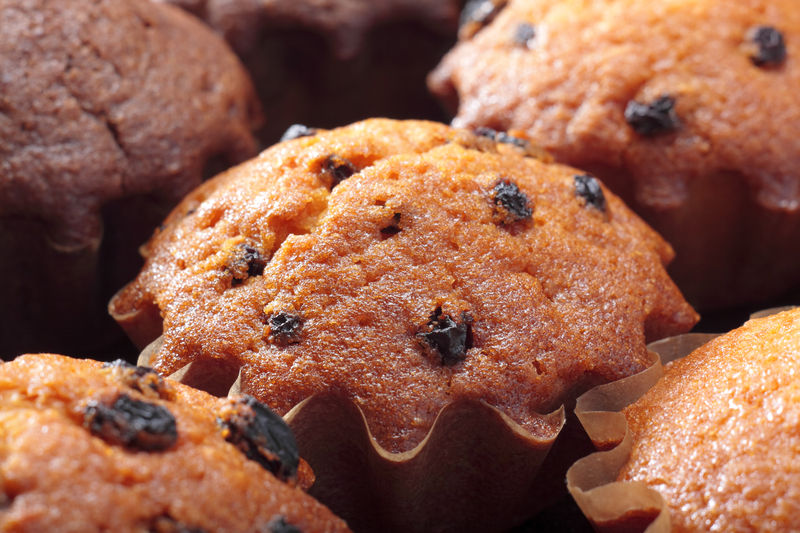


 The ingredients you choose have the biggest effect on how moist your muffins turn out, and this matters even more if you want them to stay soft for a full week. Fat, dairy, and produce all work together to hold water in the crumb long after baking.
 Overbaking dries out muffins fast, so pulling them from the oven at the right moment matters as much as the ingredients you use. Getting this step right depends on filling the pan correctly, trusting an accurate oven temperature, and knowing exactly what to look for when you test for doneness.
 Trapped heat is the main reason muffins turn soggy after baking. If you control how and where they cool, you stop steam from building up and keep the texture soft instead of wet.
 Moist muffins depend on the right balance of flour, fat, liquid, and sugar, as well as careful baking. A few simple techniques can help prevent muffins from becoming dry or crumbly.


