Can Pyrex Go in the Oven? Understanding Cookware Safety and Usage
Pyrex glass bakeware can go in the oven, but there are some rules you need to follow.
Yes, Pyrex can go in the oven, and most Pyrex glass dishes are safe up to 425°F when the oven is fully preheated.
This makes it a solid pick for baking casseroles, roasting vegetables, or reheating leftovers.
Not all Pyrex products handle heat the same way. Glass dishes are built for oven use, but plastic lids and storage containers are not. If you put the wrong piece in the oven, you risk warped plastic or a cracked dish.
Knowing the difference between safe and unsafe Pyrex use can save you from a ruined dinner or a mess in your oven. The rest of this guide breaks down exact temperature limits, how to avoid thermal shock, and simple steps to check if your specific Pyrex piece is oven-safe.
The Short Answer: Which Pyrex Items Are Oven-Safe
Most glass Pyrex bakeware and cookware can go in the oven, but plastic lids and some storage containers cannot. Your safest bet is to check the markings on each piece before you turn on the oven.
Check the Bottom Marking and Product Instructions
Look at the bottom of your Pyrex piece before you use it. Most oven-safe glass items have “Oven Safe” printed or stamped right on the glass.
If you don’t see this marking, check the packaging or the Pyrex website. Different product lines have different rules, and older pieces may not follow the same standards as newer ones.
Your safety and usage instructions matter here. Some Pyrex glass is made from borosilicate glass, while newer items use tempered soda-lime glass. Each type reacts differently to heat, so don’t guess. A quick check saves you from cracked glass or a ruined dish.
Bakeware, Storage Containers, and Measuring Cups
Pyrex glass bakeware, like baking dishes and casserole pans, is built for oven use. You can use these for roasting, baking, and reheating food at normal oven temperatures.
Pyrex measuring cups are a different story. Most are made for mixing and measuring, not for oven heat. Check the label before you bake with one.
Food storage containers also need a closer look:
Glass base: Often oven-safe, but confirm with the marking.
Plastic base: Never oven-safe.
Combo sets: Only the glass part may go in the oven, and only without the lid.
Why Plastic Lids Must Stay Out of the Oven
Pyrex lids that come with storage containers are made of plastic. Plastic cannot handle oven heat and will melt, warp, or release fumes.
Even a short time in a hot oven can ruin a plastic lid. This can also damage your oven and create a mess that’s hard to clean.
Always remove plastic lids before baking or reheating. If you need to cover a dish while baking, use foil instead. This keeps your Pyrex glass cookware safe and avoids damage to your oven.
Temperature Limits and Preheating Rules
Pyrex is oven safe up to 425°F for most modern dishes, but you need a fully preheated oven and the correct temperature setting for your specific piece. Skipping these steps raises your risk of cracking or shattering the glass.
Use a Fully Preheated Oven
Always wait until your oven finishes preheating before you put Pyrex inside. Placing a cold or room-temperature dish into an oven that is still heating up exposes it to uneven radiant heat.
This uneven heat is one of the top causes of thermal shock in glass bakeware. One part of the dish heats faster than the rest, and this creates stress that can crack the glass.
Set your oven to the target temperature and let it fully cycle to that heat level first. Most ovens signal with a beep or light when preheating is done. Only then should you add your Pyrex dish.
Follow the Temperature Rating for Your Specific Dish
Not every Pyrex product has the same heat limit. Checking the label or manufacturer specs for your exact dish matters more than relying on general rules.
Pyrex Type
Max Oven Temperature
Modern clear glass
425°F (218°C)
Modern tinted glass
420°F (216°C)
Some newer lines
Up to 450°F (230°C)
Vintage Pyrex (pre-1998)
Varies, often lower limits
Going past the rated limit raises your risk of breakage, even if the dish looks fine at first. If you’re not sure which type you own, check the bottom of the dish for markings or look up the product line online.
Conventional and Convection Oven Use
Pyrex works in both conventional and convection ovens, as long as you stay within the rated temperature. Convection ovens circulate hot air, which can cook food faster and more evenly than conventional models.
This faster airflow doesn’t change the glass’s heat limit, but it can affect cook times. You may need to check your food a few minutes early when using convection settings.
Avoid placing Pyrex directly under a broiler or heating element in either oven type. Direct contact with strong radiant heat can cause hot spots that lead to cracking, even within the normal temperature range.
Preventing Thermal Shock and Breakage
Most Pyrex breakage comes from one problem: sudden temperature changes. You can avoid this by managing how your dish moves between cold, room temperature, and hot conditions.
Let Cold Dishes Reach Room Temperature
Never put a dish straight from the fridge or freezer into a hot oven. Frozen Pyrex needs time to warm up on its own before it faces any heat.
Set the dish on the counter and let it sit until it reaches room temperature. This can take 20 to 30 minutes, depending on what’s inside.
This step matters most with frozen casseroles or pre-made meals. If you’re short on time, use the microwave to thaw food first, then transfer it to the Pyrex dish for baking. Skipping this step is one of the most common causes of cracked or shattered glass.
Avoid Sudden Temperature Changes During Cooking
Thermal shock resistance in Pyrex is limited, so don’t add cold liquid to a hot dish. If you’re basting meat, use warm drippings already in the pan instead of a cold marinade.
Adding a little water or broth to the bottom of your dish before it goes in the oven can help. This keeps the glass from heating unevenly, which lowers the risk of cracking.
Don’t use Pyrex glass on the stovetop or under the broiler. Direct heat is too intense and uneven for tempered glass to handle safely. Stick to conventional oven use only, and check that your oven temperature doesn’t exceed 425°F.
Protect Hot Glass After Removing It From the Oven
Always use a potholder or oven mitt when handling hot Pyrex. The dish will stay hot for several minutes after you take it out.
Never set a hot dish directly on a cold countertop, metal surface, or damp towel. Place it on a trivet, potholder, or dry cloth instead.
Let the dish cool to room temperature before moving it to the fridge or freezer for storage. During reheating, follow the same rule in reverse: let refrigerated leftovers sit out briefly before putting them back in a hot oven.
Heat Sources and Cooking Methods to Avoid
Pyrex glass is made for the even, steady heat of an oven. It is not built for direct or high-intensity heat sources.
Why Stovetops and Direct Flames Are Unsafe
You should never place Pyrex cookware on a stovetop, whether it is gas, electric, or induction. Stovetops heat glass unevenly. This uneven heating creates stress in one small area of the dish.
Direct flame is especially risky. It can cause hot spots that make the glass expand faster than the rest of the dish can handle.
This uneven expansion is what leads to cracking or shattering. Stovetop cooking also skips the slow, even preheating an oven provides. Without that steady buildup, your glass cookware faces sudden thermal stress it was not designed to manage.
Never Use Pyrex Under a Broiler
Broiling uses intense, direct heat from above, often reaching temperatures far higher than standard baking. This type of radiant heat hits the glass surface unevenly and quickly.
Even though Pyrex can handle regular oven temperatures up to 425°F, broiler settings often exceed safe limits. The heat also comes from one direction, which increases the risk of cracking.
If a recipe calls for broiling, switch to metal bakeware instead. Metal handles high, direct heat better and reduces the chance of breakage.
Keep Glass Away From Grills and Heating Elements
Grills expose cookware to open flame, smoke, and inconsistent heat zones. Pyrex is not designed for this kind of environment.
Placing glass dishes directly on a grill grate risks sudden temperature spikes. It can also come into contact with flare-ups, which act like direct flame exposure.
You should also keep Pyrex away from other heating elements, such as stovetop burners or electric coils, even when the dish is empty. Direct contact with these surfaces can cause immediate, severe thermal shock. Stick to using Pyrex only in preheated ovens or microwaves labeled safe for glass cookware.
Practical Baking and Reheating Guidance
Your Pyrex glass bakeware works well for most baking and reheating tasks, but a few habits protect the dish and your food. Small changes in how you heat, cover, and cool your Pyrex baking dish make a real difference.
Baking Casseroles and Lasagna Safely
Casseroles and lasagna are two of the best dishes to make in Pyrex. The glass heats evenly, so your food cooks at a steady pace.
Before you start, check a few things:
Preheat the oven first. Never put a Pyrex dish into a cold oven and then turn the heat on.
Let the dish reach room temperature. If your lasagna was in the fridge or freezer, let it sit out before baking.
Add a bit of liquid. A thin layer of water or sauce at the bottom helps prevent hot spots.
Skipping these steps raises the risk of cracking. This matters most with layered dishes like lasagna, since they often go straight from the fridge to the oven.
Roasting With Glass Bakeware
Pyrex can handle roasting, but only inside the oven. Never place it on a stovetop burner or under a broiler, since direct heat can cause the glass to crack.
When roasting meat or vegetables, keep the temperature at or below 425°F unless your specific Pyrex product states otherwise. Some legacy borosilicate Pyrex can handle higher heat, but most modern pieces are made from tempered soda-lime glass, which has lower limits.
After roasting, don’t set the hot dish on a cold counter or a wet surface. Use a trivet, cloth, or potholder instead. This one step prevents most sudden cracks caused by fast temperature drops.
Covering Food With Foil Instead of Plastic Lids
Pyrex lids are useful for storage, but they aren’t made for oven heat. Most snap-on lids are plastic, and plastic can warp, melt, or release fumes when heated.
For baking or reheating, use aluminum foil instead. Foil holds up under oven temperatures and helps food cook evenly by trapping steam.
A few tips for using foil safely:
Task
Best Practice
Covering casseroles
Use foil, tented slightly to avoid contact with food
Reheating leftovers
Cover loosely with foil to prevent drying out
Storing after cooking
Switch back to the Pyrex lid once the dish has cooled
Once your dish cools to room temperature, you can safely swap the foil for the original Pyrex lid for storage in the fridge.
How Glass Type, Age, and Condition Affect Safety
Not all Pyrex is the same. The glass type, how old your dish is, and any damage on it all change how safe it is in the oven.
Borosilicate Glass Versus Soda-Lime Glass
Older Pyrex, made before the 1980s, is borosilicate glass. This type resists heat changes well. It can handle quick shifts in temperature without cracking.
Newer Pyrex, made in the US after 1998, is usually soda-lime glass. Corning switched materials for cost and durability reasons. Soda-lime glass is often tempered to add strength, but it does not handle heat changes as well as borosilicate.
Here is a quick comparison:
Feature
Borosilicate Glass
Soda-Lime Glass
Thermal shock resistance
High
Lower
Common era
Pre-1980s Pyrex
Modern Pyrex (US)
Risk with sudden temp change
Low
Higher
Strength type
Natural
Often tempered
Check the bottom of your dish. It often tells you what type of glass you have.
Extra Precautions for Vintage Pyrex
Vintage Pyrex is often stronger against heat changes, but age still matters. Decades of use can wear down the glass, even if it looks fine.
Small stress points can build up over years. These are not always visible to your eyes.
Follow these steps with vintage pieces:
Avoid putting cold vintage Pyrex straight into a hot oven
Check for any hidden cracks before each use
Skip the broiler, even if the dish handled it in the past
Do not use it if it has been dropped, even without visible damage
Vintage Pyrex can last a long time. But treat it with more care than you would a brand-new dish.
When Chips, Cracks, and Scratches Mean Replacement
Damage weakens glass, even small damage. A tiny chip can turn into a full break under heat.
Cracks are the clearest warning sign. Any crack, even a hairline one, means you should stop using the dish in the oven.
Watch for these issues:
Chips on the edge or base: These create weak points that can spread under heat.
Deep scratches: These can weaken the glass surface over time.
Cloudy or foggy spots: This can mean the glass structure has changed.
Discoloration: This may signal past heat damage.
If you see any of these signs, stop using the dish for baking. Save it for cold storage instead, or replace it.
Care, Storage, and Safe Cleanup
Taking care of Pyrex the right way keeps it working well for years. Small habits, like how you cool, wash, and store your dishes, make a big difference in whether your glassware lasts or breaks too soon.
Cooling and Washing Without Temperature Stress
Let a hot dish cool on the counter before you wash it. Sudden temperature changes are one of the main reasons Pyrex cracks.
Never put a hot dish straight into cold water or on a cold, wet surface. This quick change in temperature can cause thermal shock, even if the glass looks fine.
Always use a potholder or oven mitt when moving Pyrex from the oven. The dish stays hot for a while after you take it out, and grabbing it with bare hands can cause burns.
Once the dish feels warm instead of hot, you can wash it. Pyrex is dishwasher safe, but if you wash it by hand, use warm water rather than cold. This helps avoid a sharp temperature drop.
Storing Pyrex for Long-Term Use
Storing Pyrex the right way protects it from chips and cracks. These small damages can weaken the glass over time.
Here are some simple storage tips:
Stack bowls with a paper towel or cloth between each one to prevent scratches.
Keep lids off when storing in the freezer to avoid pressure buildup.
Store heavier dishes on the bottom and lighter ones on top.
Avoid stacking too many dishes at once, since this adds pressure and risk of cracks.
Pyrex glassware works well for food storage in the fridge or freezer, but plastic lids are only made for storage, not for the oven. Keep this in mind so you don’t accidentally place a lid in a hot oven.
Following Pyrex’s official safety and usage instructions can help you store dishes in a way that fits your specific set, since some designs and materials vary.
What to Do If a Dish Cracks or Shatters
If a Pyrex dish cracks or shatters, stop using it right away. Even a small hairline crack can grow bigger with heat or pressure.
Carefully clean up any broken glass with gloves and a broom, not your bare hands. Small shards can be hard to see and may cause cuts.
Check nearby food for any tiny glass pieces, especially if the dish broke while it had food inside. It’s safer to throw out the food than to risk eating glass.
If a dish cracks without any clear reason, like a drop or impact, this may point to age-related wear or a manufacturing issue. In this case, it’s a good idea to stop using dishes from that same set and check them for damage.
FAQ: Can Pyrex Go in the Oven?
Pyrex cookware and bakeware are designed for oven use, but they still need to be used according to the manufacturer’s instructions. The main concern with glass bakeware is thermal shock, which can cause it to break when exposed to sudden temperature changes.
Can Pyrex Go in the Oven?
Yes, oven-safe Pyrex can be used in a conventional or convection oven within its stated temperature limits. Always check the markings or instructions for your specific Pyrex dish before using it.
What Temperature Can Pyrex Go in the Oven?
The maximum temperature depends on the specific Pyrex product. Rather than assuming that all Pyrex has the same temperature limit, follow the manufacturer’s instructions for your particular dish.
Can You Put Cold Pyrex in a Hot Oven?
It is best to avoid sudden temperature changes. Moving a very cold Pyrex dish directly into a hot oven can create thermal stress and increase the risk of breakage.
Can Pyrex Go From the Refrigerator to the Oven?
Do not assume that it is safe. A dish that has been refrigerated can experience significant thermal shock when exposed to a hot oven. Allow it to warm gradually if the manufacturer’s instructions permit oven use after refrigeration.
Can You Put Hot Pyrex on a Cold Counter?
Avoid placing hot Pyrex directly on a cold, wet, or very hard surface. Use a dry, heat-resistant trivet or towel to reduce the risk of thermal shock.
Can Pyrex Go Under the Broiler?
Not all Pyrex products are suitable for broiling. Check the manufacturer’s instructions for your specific dish before placing it under a broiler or exposing it to direct heating elements.
Can Pyrex Go in a Convection Oven?
Oven-safe Pyrex can generally be used in a convection oven when used within the manufacturer’s specified limits. The circulating air may cause food to brown more quickly, so monitor the recipe accordingly.
Can You Bake Bread in Pyrex?
Yes, oven-safe Pyrex can be used for some bread recipes. Glass heats differently from metal, however, so the crust and baking time may differ from those produced by a metal bread pan.
Why Does Pyrex Sometimes Break in the Oven?
The most common concern is thermal shock—a rapid change in temperature that creates stress within the glass. Chips, scratches, or other damage can also make glassware more vulnerable.
How Do You Safely Use Pyrex in the Oven?
To reduce the risk of breakage:
Check that the dish is specifically intended for oven use.
Follow the manufacturer’s temperature limits.
Avoid sudden temperature changes.
Never use chipped or cracked glassware.
Place hot Pyrex on a dry, heat-resistant surface.
Do not use it directly on a stovetop unless specifically designed for that purpose.
Is Pyrex Better Than Metal for Baking?
It depends on what you’re baking. Metal heats and transfers heat more efficiently, making it excellent for bread, cakes, and pastries, while glass can be useful for casseroles, baked pasta, and dishes where seeing the food while it cooks is helpful.
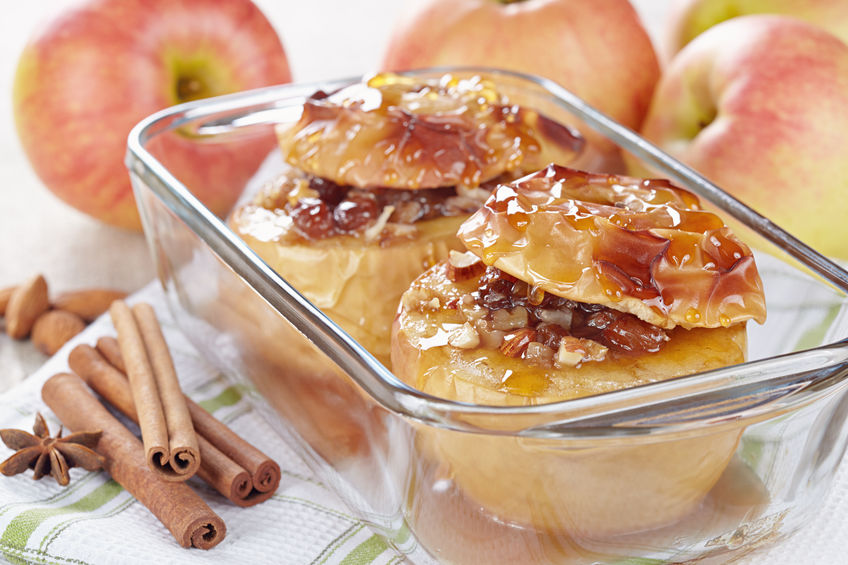


 Pyrex is oven safe up to 425°F for most modern dishes, but you need a fully preheated oven and the correct temperature setting for your specific piece. Skipping these steps raises your risk of cracking or shattering the glass.
 Most Pyrex breakage comes from one problem: sudden temperature changes. You can avoid this by managing how your dish moves between cold, room temperature, and hot conditions.
 Pyrex glass is made for the even, steady heat of an oven. It is not built for direct or high-intensity heat sources.
 Your Pyrex glass bakeware works well for most baking and reheating tasks, but a few habits protect the dish and your food. Small changes in how you heat, cover, and cool your Pyrex baking dish make a real difference.
 Not all Pyrex is the same. The glass type, how old your dish is, and any damage on it all change how safe it is in the oven.
 Taking care of Pyrex the right way keeps it working well for years. Small habits, like how you cool, wash, and store your dishes, make a big difference in whether your glassware lasts or breaks too soon.


