How Long to Bake in Ceramic vs Metal? Understanding Cooking Times and Temperature Differences
Ceramic and metal bakeware do not heat the same way, so your baking times will not match either.
Metal pans heat up fast and give you shorter bake times, while ceramic bakeware heats slowly but holds that heat longer once it warms up.
This difference affects everything from cookies to casseroles.
If you follow a recipe written for metal but use a ceramic dish, you may need to add several extra minutes to your cooking time. Ceramic bakeware often needs a lower oven temperature too, since it keeps cooking your food even after you pull it out of the oven.
Knowing these differences helps you get better baking results every time. You will learn how each material changes your bake time, why your food browns differently, and how to adjust your recipes so they turn out right no matter which pan you use.
Quick Timing Guidelines for Pan Swaps
Switching between ceramic and metal doesn’t have to be a guessing game. A few simple rules can help you adjust your baking time and temperature so your food comes out right the first time.
Starting With the Recipe’s Recommended Pan
Most recipes are tested in one type of pan, usually metal. This means the baking time listed already matches how metal heats and browns food.
If you use a different pan, you need to expect some change in results. Check the recipe notes first. Some recipes mention if they were tested in glass or ceramic, which can save you a step.
If no pan type is listed, assume it’s metal. This is the most common choice for recipe testing because it heats quickly and gives predictable results.
Knowing your starting point makes it easier to figure out what changes you’ll need to make.
When to Add Time for Ceramic Bakeware
Ceramic pans heat up slower than metal. This means your food may need more time in the oven to fully cook.
A good rule of thumb is to add 5 to 10 extra minutes when using ceramic instead of metal. This gives the center time to catch up, especially in thicker dishes like casseroles or loaf cakes.
Check for doneness a few minutes before the extra time is up. Ovens vary, and some ceramic dishes are thicker than others, which affects how much extra time you’ll need.
Here’s a quick reference:
Pan Type
Time Adjustment
Metal
Baseline time
Ceramic
Add 5-10 minutes
Glass
Add 5-10 minutes
When to Lower the Oven Temperature
Ceramic holds heat differently than metal. Because it retains heat longer, food can keep cooking even after you pull it from the oven.
To prevent overbaking on the outside, lower your oven temperature by 25°F when using ceramic bakeware. This gives the inside more time to cook without burning the top or edges.
This adjustment works well for cakes, breads, and casseroles. It’s less critical for shorter bakes like cookies, since ceramic isn’t commonly used for those anyway.
Make this change at the start, not partway through baking. Starting at a lower temperature helps you avoid uneven cooking from the beginning.
Why Doneness Matters More Than the Clock
Time and temperature adjustments are just starting points. The real test is whether your food is actually done.
Use a toothpick, thermometer, or visual cues instead of relying only on the clock. For cakes and breads, a toothpick should come out clean or with a few crumbs. For casseroles, check that the center is hot all the way through.
Every oven and every pan is a little different. A ceramic dish from one brand might heat differently than one from another brand, even if they’re the same size.
Trust what you see and feel over what the timer says. This approach gives you more reliable results no matter which pan you use.
Why Pan Materials Change the Bake
Pan material controls how fast heat moves into your food and how long that heat sticks around after baking. These two factors alone explain most of the differences you see between a ceramic dish and a metal pan.
Heat Conductivity and Heat Transfer
Metal pans, especially aluminum and aluminized steel, have high heat conductivity. This means heat moves quickly from the oven air through the pan and into your food.
Ceramic works differently. It has lower heat conductivity, so it takes longer for heat to pass through the material.
Here’s how that plays out in real baking:
Metal: Fast heat transfer means quicker browning and shorter bake times
Ceramic: Slow heat transfer means gentler, more gradual cooking
This is why the same cookie dough can bake in 10 minutes in a metal pan but need closer to 13 minutes in a ceramic one. The oven temperature hasn’t changed. The material has.
Heat Retention and Carryover Cooking
Once heat gets into the pan, materials differ in how long they hold onto it. Ceramic retains heat much better than metal.
This creates a carryover cooking effect. After you pull a ceramic dish from the oven, it keeps cooking your food for several extra minutes. Metal cools down fast, so carryover cooking is minimal.
This matters most with dishes like casseroles or baked pasta. A ceramic dish will keep the edges bubbling long after you set it on the counter. Metal pans stop that process almost immediately, which is why food in metal cools and firms up faster.
Heat Distribution, Pan Thickness, and Color
Even heat distribution depends on both the material and its thickness. Thin metal pans heat fast but can create hot spots, especially near the edges. Thicker metal, like heavy-gauge aluminized steel, spreads heat more evenly and reduces the risk of overbrowning.
Color plays a big role too:
Pan Type
Heat Absorption
Browning Result
Light metal pans
Lower
Gentle, even browning
Dark metal pans
Higher
Faster, deeper browning
Ceramic
Moderate, slow
Even, gradual browning
Dark metal pans absorb more heat, which speeds up baking but raises the risk of burnt edges or an overdone bottom crust. Light-colored metal reflects some heat, giving you more control over even baking.
How Surface Finish Affects Browning
Surface finish changes how your food’s crust develops. Shiny pans reflect heat away from the food, which slows browning and works well for delicate baked goods like angel food cake.
Matte or dark finishes absorb more heat, so they brown food faster and can lead to overbrowning if you don’t adjust bake time.
Nonstick coating adds another layer to consider. Nonstick pans often have a darker finish, which means they may brown food faster than plain aluminum. This can affect texture, especially with items that need a soft edge, like brownies or bar cookies.
Ceramic’s glossy glaze acts similarly to a shiny metal surface. It slows direct browning but still produces an even crust because of ceramic’s steady heat retention.
Best Pan Choice by Recipe Type
The right pan depends on what you’re baking. Metal works best when you want browning and crisp edges, while ceramic and glass suit dishes that need slow, even heat.
Cakes, Brownies, Bars, and Cookies
For cakes, brownies, and bars, metal is your best choice. It heats up fast and gives you crisp edges and a solid rise.
Light-colored metal pans work well for most cakes. Dark metal pans bake faster, so you may need to lower your oven temperature by 25°F to avoid overbaking.
If you only have a ceramic pan, you can still use it. Your bake time will likely run a few minutes longer, and the edges won’t brown as much.
Cookies almost always turn out better on metal baking sheets. Ceramic isn’t practical for cookies since most ceramic bakeware comes in dish form, not flat sheets.
Bread, Muffins, Quick Breads, and Loaf Cakes
Metal loaf pans are the standard choice for bread, muffins, and quick breads. They conduct heat quickly, which helps your loaf rise properly and develop a browned crust.
A ceramic loaf pan works too, but it heats more slowly. This means your bread may need extra time in the oven to bake through the center.
Here’s a quick comparison:
Pan Type
Crust Result
Bake Time
Metal loaf pan
Golden, firm crust
Standard time
Ceramic loaf pan
Softer crust
Slightly longer
Muffin tins are almost always metal for the same reason: faster heat means better rise and browning on top.
Pies and Bottom-Crust Performance
Your choice of pan matters most for pie crust. Metal pie pans heat up quickly and give you a crisp, golden crust on the bottom.
Glass pie plates also perform well. They let you see the bottom crust as it bakes, so you know exactly when it’s done. Ceramic pie dishes hold heat well but heat up more slowly than metal or glass.
This can leave you with a soggier, less flaky bottom crust. If a flaky, crisp crust matters to you, choose metal.
If you’re using ceramic for looks or because that’s what you have, blind baking your pie dough first can help. This means baking the crust alone for a few minutes before adding your filling.
Casseroles, Lasagna, and Baked Pasta
Ceramic and glass are the better options for casseroles, lasagna, and baked pasta dishes. These dishes benefit from slow, even heat instead of the fast heat metal provides.
Ceramic also retains heat well after it comes out of the oven. This keeps your lasagna or baked pasta warm longer at the table.
Metal can work for casseroles, but it may cook the edges faster than the center. This can leave you with uneven results, especially in a large dish.
If your recipe includes acidic ingredients like tomato sauce, stick with ceramic or glass. Metal can react with acidic foods and affect the taste.
Puddings, Custards, and Other Gentle Bakes
Custards and puddings need gentle, even heat to set properly without curdling or cracking. Ceramic is the better choice here because it heats slowly and holds a steady temperature.
Glass works well too, for the same reasons. Metal isn’t ideal for these bakes since it heats too quickly and can cause the edges to overcook before the center sets.
Many custard recipes also call for a water bath. Ceramic or glass dishes handle this method better because they won’t react with hot water the way some metal pans might.
If you’re baking a delicate dessert like flan or bread pudding, ceramic remains the safer, more reliable pick.
Adjusting Recipes for Metal Pan Variations
Not all metal baking pans behave the same way. Color, finish, and metal type all change how heat moves through the pan, so you may need to adjust your temperature or baking time based on what you’re using.
Light Metal Versus Dark Metal
Light metal pans reflect heat away from the food. This means your baked goods cook more slowly and end up with a lighter color on the outside.
Dark metal pans absorb more heat. They can raise your baking temperature effectively, even if the oven dial says the same number.
If a recipe was written for a light pan and you’re using a dark one, lower your oven temperature by 25°F. You should also check for doneness a few minutes early. This small change helps prevent overbrowning on the bottom and edges of cakes, brownies, and bar cookies.
Shiny, Matte, and Nonstick Finishes
Shiny pans reflect heat, similar to light-colored metal. They tend to produce softer, lighter crusts and are a good choice for delicate items like sponge cakes.
Matte pans absorb more heat than shiny ones. This leads to faster browning, so you may need to shorten your bake time slightly.
Nonstick coating also affects heat absorption. Pans with a dark nonstick coating heat up quickly and can cause faster browning, much like dark metal.
Here’s a quick comparison:
Finish
Heat Behavior
Best For
Shiny
Reflects heat, bakes slower
Cakes, delicate pastries
Matte
Absorbs heat, bakes faster
Cookies, bars
Nonstick (dark)
Absorbs heat, browns quickly
Breads, items needing a crisp crust
Aluminum and Aluminized Steel Performance
Aluminum is one of the most common materials for metal bakeware. It heats up fast and spreads heat evenly across the pan, which supports even baking.
Aluminized steel is aluminum-coated steel. It combines the quick heat response of aluminum with the added strength of steel, making it a durable choice for everyday baking.
Both materials work well for most recipes without needing major changes. However, thinner aluminum pans heat up faster than thicker ones, so thin pans may need a shorter bake time.
If you’re switching from a heavy-gauge pan to a thin one, start checking your bake a few minutes before the recipe’s suggested time. This helps you avoid drying out the edges while the center is still finishing.
Avoiding Overbrowned Edges and Bottoms
Metal pans are known for producing crisp edges, but too much heat can cause overbrowning. This is especially common with dark or thin pans that heat up quickly.
A few adjustments can help balance the bake:
Lower the oven temperature by 25°F when using dark or nonstick pans.
Use light-colored pans for recipes prone to overbrowning, like cakes with delicate crumbs.
Line the pan with parchment paper to reduce direct contact with hot metal.
Check doneness early, especially with thin aluminum or aluminized steel pans.
These small changes help you keep the benefits of even baking and crisp edges without ending up with burnt bottoms or overly dark crusts.
Pie Plates, Glass Dishes, and Ceramic Bakeware
The material of your pie plate changes how fast heat reaches the crust and filling. Metal heats up fast for crisp results, glass lets you check browning, ceramic spreads heat gently, and each material handles acidic fillings differently.
Metal Pie Plates for Faster, Crisper Crusts
Metal pie pans conduct heat quickly. This makes them a good choice when you want a crisp, flaky crust with a golden bottom.
Aluminum pans work fastest. They heat up right away and transfer that heat straight into your crust, cutting down on soggy bottoms. This matters most with wet fillings like fruit pies, where the crust needs a head start to firm up before the filling soaks in.
Avoid dark metal pans if you’re worried about over-browning. Dark metal absorbs more heat than shiny metal, which can cause edges to burn before the center finishes baking.
Best for: blind baking, fruit pies, and any recipe where a crisp bottom crust matters more than presentation.
Glass Bakeware for Visible Bottom Browning
Glass pie plates let you see through the bottom as it bakes. You can check if your crust has turned golden without lifting it out of the oven.
Glass heats up quickly, similar to metal, and holds that heat well once it’s hot. This makes it a solid option for pies that need even baking on all sides. Custard pies, cream pies, and quiches often turn out well in glass because the heat spreads evenly around the edges.
One thing to watch for: sudden temperature changes can crack glass. Don’t move a glass dish straight from the fridge into a hot oven, and don’t set a hot glass dish on a cold or wet surface.
Ceramic Pie Plates for Slower, Steadier Heating
Ceramic pie plates, including stoneware, heat up more slowly than metal or glass. Once they do heat up, they hold that heat longer and release it more evenly.
This slower heating works well for pies that need gentle, steady cooking rather than a quick blast of heat. Custards and delicate fillings tend to set more evenly in ceramic because there’s less risk of the edges overcooking before the center is done.
The tradeoff is bottom crust texture. Because ceramic heats up slower, the bottom crust may not get as crisp as it would in metal. If you’re baking a pie with a top crust or lattice design, ceramic works fine since the visual focus is on top, not on the bottom crust.
Choosing the Right Dish for Wet or Acidic Fillings
Acidic fillings, like those with citrus, tomatoes, or berries, react with some metal pans. Aluminum can leave a slight metallic taste or discoloration when it touches acidic ingredients for a long time.
Glass and ceramic don’t react with acidic foods, so they’re the safer choice for these fillings.
Use the table below as a quick reference:
Filling Type
Best Material
Why
Fruit (berries, citrus)
Glass or ceramic
Won’t react with acid
Custard or cream
Glass or ceramic
Even, gentle heat
Savory (quiche, tomato-based)
Glass or ceramic
Avoids metallic taste
Standard fruit (apple, cherry)
Metal
Crisp bottom crust
If you want both a crisp crust and no reaction with acidic filling, look for enamel-coated metal pans. They combine the fast heating of metal with a non-reactive surface.
Checking Doneness and Handling Bakeware Safely
Doneness tests tell you when your food is ready, but the pan you use also affects how you check it and how you handle it after baking. Ceramic and glass hold heat much longer than metal, which changes both your timing and your safety steps.
Reliable Doneness Tests for Sweet and Savory Dishes
The best doneness test depends on what you are baking.
For cakes and loaf cakes, insert a toothpick into the center. If it comes out clean or with a few moist crumbs, your cake is done.
For cookies and bars, look at the edges. They should look set and slightly firm, even if the center still looks a bit soft.
For pies, watch the crust color and check if the filling bubbles in the center, not just around the edges.
For bread or savory bakes, an instant-read thermometer works best. Most breads are done around 190-210°F internally.
Because ceramic bakeware and glass bakeware retain heat, always test doneness a few minutes before the recipe’s suggested bake time if you’re using one of these pans instead of metal.
Accounting for Carryover Heat After Removal
Baked goods keep cooking after you take them out of the oven. This is called carryover heat, and it happens because the pan and food are still hot.
Metal pans cool down fairly fast, so carryover heat is minor. Ceramic baking dishes and glass baking dish options hold onto heat much longer, which means your food keeps baking even after you set it on the counter.
This matters most for brownies, custards, and cakes. If you leave them in a hot ceramic dish too long, gooey brownies can turn cakey, and soft centers can firm up more than you want.
To avoid overbaking, remove food from ceramic or glass a few minutes earlier than you would with metal. Transfer it to a cooling rack right away so it stops absorbing extra heat from the pan itself.
Preventing Thermal Shock in Ceramic and Glass
Thermal shock happens when a sudden temperature change causes glass or ceramic to crack or shatter. This is one of the biggest safety risks with these materials.
Follow these rules to prevent it:
Never move a dish straight from the freezer into a hot oven.
Don’t place a hot ceramic or glass dish directly on a cold or wet surface.
Avoid adding cold liquid to a hot dish right after baking.
Let ceramic and glass bakeware cool gradually on a dry towel or cooling rack, not on stone or metal countertops.
Metal pans don’t have this risk. They handle fast temperature changes without cracking, which is one reason they’re considered more predictable for everyday baking.
Care Tips for Coated and Uncoated Pans
How you clean and store your bakeware affects how long it lasts and how well it performs.
For pans with a nonstick coating, avoid metal utensils, since they can scratch the surface over time. Hand wash with a soft sponge instead of putting them in the dishwasher, which can dull the coating and cause it to wear faster.
For uncoated metal pans, dishwashers can also cause discoloration or rust, so hand washing is safer.
For ceramic and glass, check for chips or cracks before each use, since damaged spots can weaken under heat and lead to breakage.
Store stacked pans with a soft cloth or paper towel between them to prevent scratches, especially with coated or glazed surfaces.
FAQ: How Long to Bake in Ceramic vs Metal?
Ceramic and metal baking pans transfer heat differently, which can affect baking time, browning, and the final texture of baked foods. The difference is particularly noticeable in cakes, casseroles, breads, and other foods where the pan has a significant effect on heat transfer.
Does Ceramic Take Longer to Bake Than Metal?
Usually, yes. Ceramic generally heats more slowly than metal, so food may take slightly longer to bake. However, the exact difference depends on the recipe, pan thickness, oven temperature, and type of food.
How Much Longer Does Ceramic Take to Bake?
There is no universal adjustment, but when converting a recipe from a metal pan to a ceramic pan, you may need to allow a few extra minutes of baking time. Check for doneness rather than relying solely on the original baking time.
Does Metal Bake Faster Than Ceramic?
Generally, yes. Metal conducts heat efficiently from the oven to the food, which can promote faster cooking and more rapid browning around the edges.
Does Ceramic Bake More Evenly?
Ceramic can provide steady, relatively gentle heat once it has warmed up. Its heat-retention properties can be useful for casseroles and dishes that benefit from gradual, consistent cooking.
Should You Lower the Temperature When Using Ceramic?
Sometimes. For delicate baked goods that are browning too quickly, reducing the oven temperature slightly can help. However, it is usually better to follow the recipe and adjust based on how your particular ceramic dish performs.
Does Ceramic Make Cakes Take Longer to Bake?
It can. A cake baked in ceramic may require additional time compared with the same cake baked in a metal pan. The center should be tested for doneness before removing it from the oven.
Does Metal Make Food Brown Faster?
Yes, metal pans often encourage faster browning, particularly around the edges and bottom. Dark-colored metal pans can brown food even more quickly than light-colored or reflective pans.
Is Ceramic or Metal Better for Baking?
Neither is universally better. Metal is often preferred for cakes, cookies, and pastries when efficient heat transfer and browning are important, while ceramic works well for casseroles, pies, gratins, and dishes where heat retention is beneficial.
Can You Use the Same Baking Temperature for Ceramic and Metal?
Usually, yes, but the baking time and browning can differ. Always consider the specific recipe and the manufacturer’s temperature recommendations for the baking dish.
How Do You Know When Food Is Done in a Ceramic Pan?
Use the recipe’s recommended doneness test rather than relying only on appearance. Depending on the food, this may involve checking the center with a toothpick, testing internal temperature, or looking for a properly set texture.
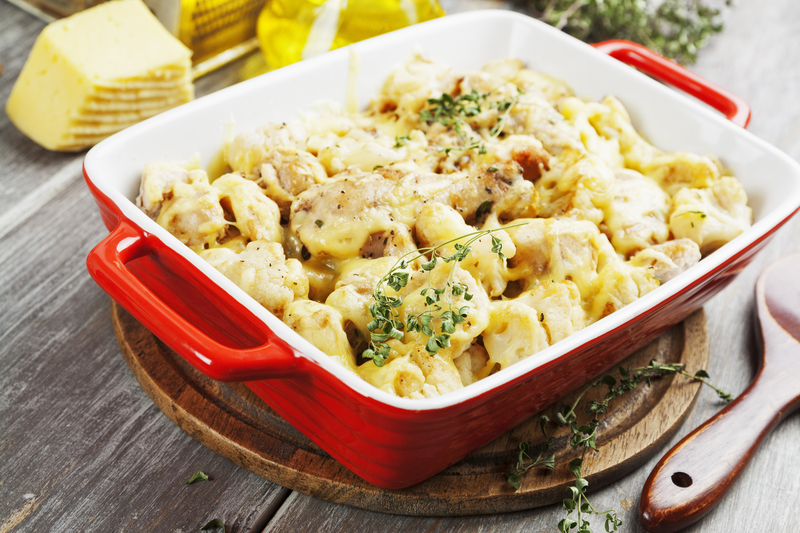


 Switching between ceramic and metal doesn’t have to be a guessing game. A few simple rules can help you adjust your baking time and temperature so your food comes out right the first time.
 Pan material controls how fast heat moves into your food and how long that heat sticks around after baking. These two factors alone explain most of the differences you see between a ceramic dish and a metal pan.
 The right pan depends on what you’re baking. Metal works best when you want browning and crisp edges, while ceramic and glass suit dishes that need slow, even heat.

 Doneness tests tell you when your food is ready, but the pan you use also affects how you check it and how you handle it after baking. Ceramic and glass hold heat much longer than metal, which changes both your timing and your safety steps.


