Is it Better to Bake Bread in Glass or Metal? Analyzing Baking Outcomes
Both glass and metal baking pans can make good bread, but they work in different ways.
Metal pans heat up fast and give bread a firmer, more browned crust, while glass pans heat slower and create a softer crust with more even baking.
Your choice depends on the type of bread you’re making and the result you want.
If you’re baking a crusty loaf like sourdough or a French baguette, metal bakeware is usually the better pick. It handles high heat well and helps your crust turn golden brown. Glass bakeware, on the other hand, works well for quick breads like banana bread or zucchini bread, since these recipes benefit from gentle, steady heat.
Knowing the differences between these two types of baking pans can help you avoid common problems like burnt edges or undercooked centers. The rest of this guide breaks down when to use each one, so you can pick the right pan for your next loaf.
The Short Answer: Match the Pan to the Bread
Metal pans and glass pans heat up in different ways, and that changes how your bread bakes. The right choice depends on whether you want a firm, browned crust or a soft, even loaf.
Choose Metal for Faster Browning and Crust
Metal heats up quickly and spreads heat evenly across the pan. This helps your bread develop a golden, crisp crust in less time.
If you bake sourdough or artisan bread, metal is your best bet. These breads need strong, even heat to form a proper crust. Metal also works well for sandwich bread, since it gives you that classic firm edge without over-baking the center.
Because metal reacts fast to oven heat, your baking time may run a bit shorter than a recipe states. Check your loaf a few minutes early to avoid over-browning.
Choose Glass for Gentle, Steady Baking
Glass heats up more slowly, but it holds onto that heat longer once it warms. This creates a gentler, more even bake with less risk of a hard crust.
Glass pans work best for quick breads like banana bread, zucchini bread, and pound cake. These batters benefit from slow, steady heat that cooks the center fully without burning the outside.
Glass also lets you check your bread’s color without opening the oven, since you can see through the sides. Just keep in mind that glass can cause the crust to darken faster on the bottom, so you may want to lower your oven temperature slightly when using it.
How Glass and Metal Change Heat in the Oven
Glass and metal react to oven heat in different ways, and this changes how your bread bakes. Knowing these differences helps you pick the right pan and avoid common baking problems.
Heat Conductivity and Heat Transfer
Heat conductivity is how fast a material passes heat to your dough. Metal bakeware, especially aluminum, conducts heat quickly. This means your bread starts baking sooner after you put it in the oven.
Glass conducts heat much more slowly. Heat transfer takes longer to reach the center of your dough. Because of this, your bread’s crust may set before the inside finishes cooking.
Stainless steel and cast iron also conduct heat well, though not as fast as aluminum. Cast iron holds onto heat once it warms up. This makes it a strong choice for crusty bread that needs a hot surface from the start.
Heat Retention and Heat Distribution
Heat retention refers to how long a pan stays hot after you take it out of the oven. Glass holds heat longer than metal. This means your bread keeps cooking a bit even after you pull it out.
Heat distribution is how evenly heat spreads across the pan. Metal pans tend to distribute heat evenly across the bottom and sides. This gives your bread a consistent bake from edge to edge.
Glass heats more slowly but spreads that heat evenly once it warms up fully. This can create soft, even crusts on quick breads. Cast iron pans also distribute heat well, which helps you get consistent results across the whole loaf.
Here’s a quick comparison:
Material
Heat Retention
Heat Distribution
Glass
High
Even, but slow to start
Metal (aluminum)
Low to moderate
Fast and even
Cast iron
Very high
Very even
How Pan Color and Thickness Affect Results
Pan color changes how much heat your bread absorbs. Dark metal pans absorb more heat and can cause faster browning. Light-colored metal pans reflect some heat, so browning happens at a more moderate pace.
Pan thickness also affects your results. Thicker pans, like cast iron, take longer to heat up but hold that heat more steadily. Thin metal pans heat up fast but can lose heat quickly too.
If you use a glass pan, you may need to lower your oven temperature by about 25°F. This adjustment helps prevent the outside of your bread from overbaking before the inside is done. Temperature changes like this matter most when a recipe was written and tested using a different type of pan than the one you’re using.
Crust, Crumb, and Browning Differences
Your choice of pan changes how heat reaches the dough, and this directly affects crust color, thickness, and crispiness. Metal and glass handle heat in different ways, so the results you get from each will not look or feel the same.
Why Metal Produces a Crisper, Well-Browned Crust
Metal pans heat up fast and transfer that heat directly into the dough. This quick heat transfer causes the surface of your bread to dry out and brown faster, which gives you a crisp crust.
Darker metal pans absorb even more heat, so they brown crusts quicker than lighter-colored metal. This is why many bakers choose metal for sourdough, rolls, and other breads where a crunchy exterior matters.
If you want strong crust browning, metal is usually the better pick. Just watch your bake time closely, since metal can push your bread from golden to overdone in a short window.
Why Glass Can Create a Softer Crust
Glass heats up more slowly than metal, so your bread bakes at a gentler pace. This slower heat transfer means the crust does not dry out as fast, which gives you a softer texture instead of a crisp one.
Glass also holds heat well once it warms up. This helps your bread cook evenly from edge to center, reducing the chance of uneven or patchy browning.
If you’re baking sandwich bread or other soft-crust loaves, glass often gives you the texture you want. It works less well if your goal is a crackly, crisp exterior.
Monitoring Bottom and Side Browning
Glass pans let you see the bottom and sides of your loaf as it bakes. This makes it easy to check browning progress without opening the oven door or guessing.
Metal pans don’t offer this visibility, so you’ll need to rely on bake time, smell, and a thermometer to judge doneness. An internal temperature of about 190°F is a reliable sign your bread is fully baked.
Because metal browns faster, checking your loaf a few minutes early can help you avoid a crust that’s darker than you want.
Best Pan Material for Common Bread Styles
The right pan depends on the bread you are making. Yeast breads need fast, strong heat for a good crust, while sweet loaves need slow, even heat to bake through without drying out.
Yeast Loaves, Rolls, and Sandwich Bread
Metal is the better choice for yeast bread, rolls, and sandwich bread. Metal heats up fast and transfers that heat straight to the dough. This helps the dough rise quickly in the oven, a step bakers call oven spring.
A faster heat also builds a stronger crust. This matters most for sandwich bread, where you want a light crust and an even shape for cutting slices.
Aluminum pans work well for rolls and sandwich loaves because they heat evenly across the whole pan. If you bake with acidic ingredients like buttermilk, choose a non-stick or stainless steel pan instead. Plain aluminum can react with acid and change the taste slightly.
Sourdough and Artisan Bread
Sourdough and other artisan breads need very high, direct heat to form a thick, crisp crust. Metal loaf pans can work for sourdough sandwich loaves, but most artisan bread bakers use a Dutch oven or cast iron pot instead.
A Dutch oven traps steam around the dough as it bakes. This steam keeps the crust soft just long enough for the bread to expand fully before it hardens. That is what gives artisan bread its deep color and crackly texture.
Cast iron holds heat exceptionally well once it gets hot. It stays hot even after you open the oven, so the crust keeps browning steadily. Glass is not a good choice for this style of bread since it heats too slowly to create the sharp, high heat artisan bread needs.
Quick Breads and Sweet Loaves
Glass pans are the better option for quick breads, muffins, and scones. This includes banana bread, zucchini bread, and pound cake. These batters are dense and need slow, steady heat to bake all the way through without burning on the outside.
Glass also lowers the risk of a dry or overbaked crust. Since it heats up slowly, the inside of the loaf has more time to finish baking before the outside gets too dark.
For these recipes, drop your oven temperature by 25°F and bake for 5 to 10 minutes longer than the recipe states for a metal pan. This adjustment gives you a moist center and an evenly browned top every time.
Using Glass When a Recipe Calls for Metal
Glass bakeware works fine as a swap for metal, but you need to make a few changes first. Small adjustments to temperature, timing, and pan prep will help your bread turn out right.
Adjusting Oven Temperature and Baking Time
Glass holds heat differently than metal. It heats up slower, but once it’s hot, it stays hot longer.
This means bread can keep cooking even after you take it out of the oven. To avoid overbaking, lower your oven temperature by 25°F when using glass instead of metal.
Keep an eye on baking time too. Your bread might finish a few minutes early in glass, so start checking it sooner than the recipe says.
Here’s a quick reference:
Recipe Calls For
Glass Adjustment
350°F metal pan
325°F glass pan
400°F metal pan
375°F glass pan
45 min bake time
Check at 35-40 min
These changes help prevent a burnt bottom or over-browned crust.
Checking Doneness Without Overbaking
Bread in glass can look done on the outside before it’s fully baked inside. This happens because glass browns crusts faster in some spots, especially the bottom and sides.
Use a thermometer to check for doneness instead of relying only on color. Most bread is done when the inside reaches 190°F to 210°F, depending on the recipe.
You can also tap the bottom of the loaf. A hollow sound means it’s baked through.
If the top browns too fast but the inside isn’t ready, cover the loaf loosely with foil. This slows down browning without stopping the bake.
Lining and Releasing Loaves Cleanly
Glass can make bread stick more than metal, especially if the pan isn’t greased well. Parchment paper solves this problem.
Line the bottom and sides of your glass pan with parchment paper before adding the dough. Leave some extra paper hanging over the edges.
This overhang works like a handle. Once the bread cools slightly, you can lift it straight out without scraping or flipping the pan.
If you don’t have parchment paper, grease the glass pan well with butter or oil. Dust it with a little flour too. This creates a barrier that helps the loaf release cleanly once it’s done baking.
Safety, Durability, and Ingredient Considerations
Pan material affects more than crust color. It can change how safe your bakeware is under heat stress, how it reacts with certain ingredients, and how long it lasts in your kitchen.
Avoiding Thermal Shock With Tempered Glass
Glass bakeware can crack or shatter if it faces a sudden temperature change. This is called thermal shock.
Pyrex and similar tempered glass brands are built to handle normal oven heat, but they are not made for extreme jumps. Taking a glass pan straight from the fridge or freezer into a hot oven is one of the most common causes of breakage.
To avoid this, let cold glass sit at room temperature for 15 to 20 minutes before it goes in the oven. Never place a glass pan on a stovetop burner or under a broiler.
Also avoid setting a hot glass pan on a cold or wet surface right after baking. A dry towel or wire rack is a safer landing spot.
Acidic Ingredients and Reactive Metal
Some metal pans react with acidic ingredients. Foods like citrus, tomatoes, buttermilk, and vinegar-based batters can pull tiny amounts of metal from the pan surface.
This reaction can cause two problems. First, it can give your bread a faint metallic flavor. Second, it can cause pitting or discoloration on the pan over time.
Aluminum is the most reactive common bakeware metal. Stainless steel and coated metal pans resist this reaction much better.
Glass bakeware has no reactivity at all. It will not affect flavor no matter what acidic ingredients go into the batter, which makes it a dependable choice for recipes with buttermilk, citrus zest, or fruit purees.
When Cast Iron and Stainless Steel Make Sense
Cast iron and stainless steel are worth choosing when durability and crust quality matter more than visibility or even heating.
Cast iron holds heat extremely well and produces a strong, deep crust. It works especially well for rustic loaves and sourdough baked at high heat. It does need regular seasoning to prevent rust and sticking.
Stainless steel is non-reactive, does not rust, and holds up to years of daily use without warping. It heats less evenly than cast iron but resists dents and scratches better than most other metals.
Material
Best For
Maintenance Level
Cast iron
High-heat crust, rustic bread
High (seasoning required)
Stainless steel
Long-term durability, acidic recipes
Low
Glass
Non-reactive baking, visibility
Low
Choose cast iron or stainless steel when you want a pan built to last for decades with minimal reactivity concerns.
FAQ: Is It Better to Bake Bread in Glass or Metal?
Both glass and metal pans can be used to bake bread, but they transfer heat differently. Metal is generally the better choice for most bread recipes because it heats efficiently and promotes good browning.
Is It Better to Bake Bread in Glass or Metal?
Metal is usually better for baking bread. Metal pans heat more quickly and efficiently, helping bread develop a well-browned crust and bake more evenly. Glass can also work, but it may require adjustments to the baking time or temperature.
Why Is Metal Better for Baking Bread?
Metal conducts heat efficiently from the oven to the dough. This can help the sides and bottom of the loaf brown properly while encouraging consistent baking.
Can You Bake Bread in a Glass Pan?
Yes. Glass baking dishes can be used for many types of bread, including sandwich bread, quick breads, and some yeast breads. However, glass heats differently from metal, so the recipe may need a slight adjustment.
Does Bread Bake Faster in a Metal Pan?
Generally, metal transfers heat more efficiently, so bread may bake and brown differently than it would in glass. Always check the loaf for doneness rather than relying only on the stated baking time.
Does Glass Make Bread Brown Less?
Glass can produce different browning characteristics than metal, particularly on the sides and bottom. If you want a strongly browned crust, a metal pan is often the more predictable choice.
Should You Lower the Temperature When Baking Bread in Glass?
Some recipes recommend reducing the oven temperature slightly when switching from a metal pan to glass. However, there is no universal adjustment, so follow the manufacturer’s recommendations and monitor the bread closely.
Is Glass or Metal Better for Sandwich Bread?
Metal is generally preferred for sandwich bread because it provides efficient heat transfer and predictable browning. A light-colored metal loaf pan can produce a nicely browned crust without excessive darkening.
Is Glass or Metal Better for Banana Bread?
Both work well. Metal tends to produce more predictable browning, while glass can be useful if you prefer a somewhat different crust texture. Because banana bread contains a lot of moisture and sugar, keep an eye on the top and edges as they brown.
Can You Put a Glass Bread Pan in a Hot Oven?
Only if the specific glass cookware is rated for that use. Avoid sudden temperature changes with glass, such as transferring a very cold dish directly into a very hot oven, because thermal shock can cause glass to break.
What Is the Best Pan for Baking Bread?
For most standard loaves, a light-colored metal loaf pan is an excellent choice. It provides efficient heat transfer and consistent browning while being widely available in different sizes and shapes.
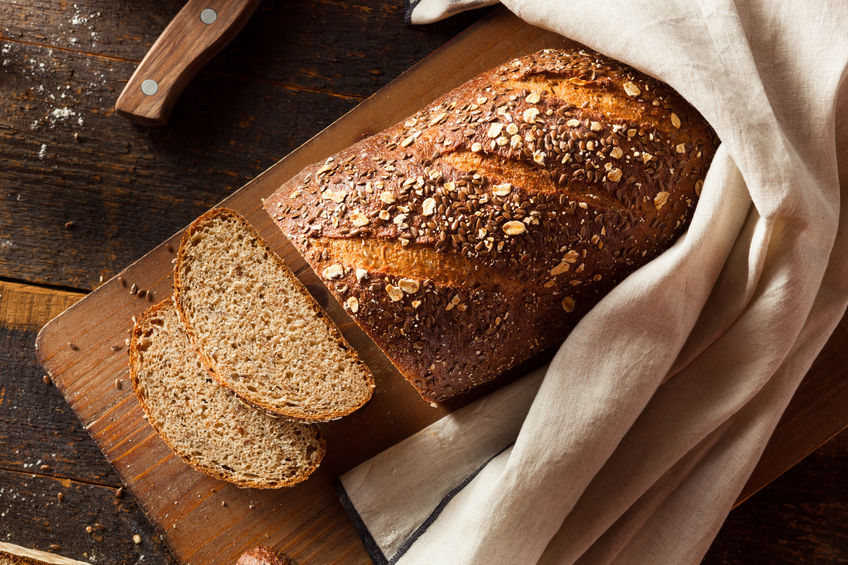


 Glass and metal react to oven heat in different ways, and this changes how your bread bakes. Knowing these differences helps you pick the right pan and avoid common baking problems.
 Your choice of pan changes how heat reaches the dough, and this directly affects crust color, thickness, and crispiness. Metal and glass handle heat in different ways, so the results you get from each will not look or feel the same.
 Glass bakeware works fine as a swap for metal, but you need to make a few changes first. Small adjustments to temperature, timing, and pan prep will help your bread turn out right.
 Pan material affects more than crust color. It can change how safe your bakeware is under heat stress, how it reacts with certain ingredients, and how long it lasts in your kitchen.


