What Apples Stay Crisp in a Pie? A Guide to Ideal Pie Varieties
A soggy apple pie can ruin a good dessert. The apples you pick make all the difference between a filling that holds its shape and one that turns to mush.
Granny Smith, Honeycrisp, and Braeburn apples stay the crispest in pies because they have firm flesh and don’t release much liquid when they bake.
These apples keep their structure even after sitting in a hot oven for an hour or more. If you want a homemade apple pie with a clean slice and a bite of texture, these are your safest picks.
Not all apples react the same way to heat. Some break down fast and turn into applesauce, while others hold firm from the first bite to the last. Knowing which apples fall into each group helps you get the best apples for apple pie and avoid a runny mess. You’ll also learn how mixing a few varieties together can give your pie more flavor and better texture in every slice.
What Helps Apples Hold Their Shape During Baking
A few factors decide whether your apple slices stay firm in the oven or turn into mush. Cell structure, moisture content, and the balance of sugar and acid all play a part in the final texture of your pie.
Firmness, Cell Structure, and Ripeness
Firm apples have thick cell walls packed with pectin. This structure helps them resist breaking down when they hit high heat. Soft apples, on the other hand, have weaker cell walls that collapse quickly during baking.
Ripeness matters just as much as the variety you pick. An apple that’s slightly underripe will hold up better than one that’s overripe and starting to soften. Overripe apples have already begun to break down at the cellular level, so they turn to mush faster in the oven.
Here’s a quick comparison:
Apple Type
Cell Wall Strength
Baking Result
Firm, slightly underripe
Strong
Holds shape well
Fully ripe
Moderate
Some softening
Overripe
Weak
Breaks down easily
Choosing crisp apples at the right stage of ripeness gives you more control over the final texture of your pie.
The Role of Moisture and Juiciness
Juicy apples release a lot of liquid as they cook. This extra moisture can make your pie filling watery and can also cause the apple pieces to soften faster.
Apples with lower water content tend to keep their structure better under heat. That’s because there’s less liquid inside the cells to expand and push the walls apart during baking.
You can manage moisture in a few ways:
Slice apples evenly so they cook at the same rate
Let sliced apples sit with sugar for a few minutes, then drain the extra liquid before baking
Avoid over-mixing the filling, which can bruise the fruit and release more juice
Controlling moisture doesn’t just protect texture. It also keeps your crust from turning soggy, since less liquid means less steam building up inside the pie.
Why a Sweet-Tart Balance Matters
Sweet-tart balance affects more than just apple flavor. Tart apples often have higher acid content, which can help slow down the breakdown of pectin during baking. This means tart apples may hold their shape a bit better than very sweet apples with low acidity.
Sweet apples bring rich flavor but can sometimes lack the acid needed to balance a pie filling. Mixing sweet and tart apples gives you the best of both: good flavor and better texture.
Try combining two or three apple varieties in one pie. A common approach is pairing a tart, firm apple with a sweeter variety for balanced flavor and texture. This mix also adds depth to the overall taste, since no single apple type dominates the filling.
Best Crisp Apple Varieties for Pie
Some apples hold their shape and stay firm when baked, while others turn soft and watery. Knowing which varieties work best helps you build a pie filling with good texture and balanced flavor.
Granny Smith: Dependable Tart Structure
Granny Smith apples are a top choice for pie because they hold their shape well. Their firm flesh and low moisture content mean they won’t turn to mush in the oven.
This apple has a sharp, tart flavor. It works well on its own or paired with a sweeter variety like Golden Delicious.
Granny Smith apples are easy to find in most grocery stores year-round. Their bright green color and firm bite make them a reliable pick if you want a pie filling that holds together.
Honeycrisp: Crisp, Juicy, and Balanced
Honeycrisp apples are known for their crunch and juice. They offer a good mix of sweet and tart flavors, which makes them a popular choice for both snacking and baking.
When baked, Honeycrisp apples soften but don’t fall apart completely. They keep some texture, which adds a nice bite to each slice of pie.
Because they’re well-balanced in flavor, you may not need to add as much sugar to your filling. Many bakers call Honeycrisp an all-purpose apple since it works well for both baking and eating fresh.
Braeburn: Firm With Spiced Sweet-Tart Flavor
Braeburn apples are firm and dense, so they hold up during baking. Their flavor has notes of spice along with a sweet-tart balance, which adds depth to your pie filling.
This variety doesn’t break down as quickly as softer apples. That means your pie slices will stay intact instead of turning into a soft, mushy filling.
Braeburn apples pair well with tart varieties like Granny Smith. The combination gives you a filling with both firm texture and complex flavor.
Pink Lady and Cripps Pink: Bright, Dense, and Tangy
Pink Lady apples, also called Cripps Pink, are dense and firm. They have a bright, tangy flavor with a good amount of sweetness.
These apples hold their shape well when baked, similar to Granny Smith. Their dense flesh means they take a bit longer to soften in the oven, which helps prevent a watery filling.
Pink Lady apples have a good balance of sugar and acid. This makes them a solid choice if you want a pie filling that isn’t overly sweet or overly tart.
Northern Spy: A Standout Heirloom Pie Apple
Northern Spy is an older apple variety that isn’t as easy to find as some of the others on this list. Despite being less common, many bakers consider it one of the best apples for pie.
This apple is firm, tart, and holds its shape well during baking. It has a complex flavor that many bakers say beats more common grocery store varieties.
If you find Northern Spy apples at a farmers market or local orchard, they’re worth trying. Their firm texture and strong flavor make them a good option for a pie filling that stays intact and tastes rich.
Other Strong Choices Based on Flavor Preference
Some apples are worth choosing based on taste rather than just texture. These options give you more control over how sweet, tart, or rich your pie turns out.
Jonagold and Jonathan for Richer Flavor
Jonagold apples come from a cross with Golden Delicious, so you get a similar sweet-tart balance with a fuller apple taste. They soften some when baked but still hold their shape well in slices.
Jonathan apples bring strong tartness and bold flavor to your pie. They soften quite a bit during baking, and the slices can break apart if you press them with a fork.
Both apples work best when mixed with a firmer variety. This gives you strong flavor without losing all your texture.
Jonagold: sweet-tart, soft but holds shape
Jonathan: tart, very soft, best as a supporting apple
Fuji, Envy, and Jazz for Sweeter Fillings
If you want a sweeter pie without added sugar, Fuji, Envy, and Jazz apples are good picks. Fuji apples are naturally very sweet and bake up medium-firm, so your filling won’t turn to mush.
Envy apples are a cross between Fuji and Braeburn. They keep a similar sweetness but with a bit more firmness when baked.
Jazz apples are also sweet with a slight tartness. They tend to hold their shape well, making them useful in pies where you want distinct apple slices.
These three work well together or paired with a tarter apple like Granny Smith for balance.
Cortland, Rome Beauty, and Mutsu for Traditional Baking
Cortland apples are a common pick for home bakers. They have a flavor close to McIntosh but hold together better when baked, so your pie won’t turn into applesauce.
Rome Beauty apples are firm and mild in flavor. They don’t break down much, so they’re a good choice if you want your pie slices to stay intact.
Mutsu apples, also called Crispin, are large and have a mild, slightly sweet flavor. They hold their shape well and are a solid choice if you want a traditional, no-fuss baking apple.
Apple
Texture When Baked
Flavor
Cortland
Soft, mostly holds shape
Cider-like
Rome Beauty
Firm
Mild
Mutsu (Crispin)
Firm
Mildly sweet
Newer and Regional Varieties to Look For
A few newer apple varieties are worth trying if you find them at a farmers market or specialty grocery store. Winesap apples have a strong, wine-like tartness and hold up well in baking.
Zestar apples are an early-season option with a tart-sweet flavor and decent firmness. SweeTango apples, a cross between Honeycrisp and Zestar, offer a similar crisp bite with more sweetness.
Rave and Juici apples are newer branded varieties showing up in stores. They tend to be sweet and firm, but they haven’t been tested as widely for pie baking, so results can vary.
If you can’t find these, Golden Delicious apples remain a reliable substitute. They give you a mild, buttery flavor and a texture that holds up in almost any pie recipe.
Build a Better Pie With Apple Blends
Mixing two or three apple types gives your pie better flavor and texture than using just one kind. Each apple brings something different, and the right blend balances sweetness, tartness, and firmness.
The Best Two-Apple Combinations
Pairing a firm, tart apple with a soft, sweet one gives you the best texture and flavor in every bite.
Here are combinations that work well together:
Granny Smith and Golden Delicious: Granny Smith holds its shape and adds tartness. Golden Delicious softens and adds a buttery flavor.
Braeburn and McIntosh: Braeburn stays firm. McIntosh breaks down and creates a smooth, saucy filling around the firmer slices.
Honeycrisp and Jonagold: Both hold their shape well, but Honeycrisp adds a honey-like sweetness while Jonagold brings more tartness.
Gala and Granny Smith: Gala adds mild sweetness, though it can turn soft. Granny Smith balances it out with acidity and firmness.
Avoid using two soft apples together. Your pie can turn out mushy with no texture contrast.
When to Add a Softer Apple to the Filling
Add a softer apple like McIntosh when you want a thicker, more cohesive filling instead of loose slices.
Soft apples break down during baking. They release juice and create a sauce-like texture that fills gaps between firmer slices.
Use soft apples for about one-quarter of your total apples. This ratio adds moisture and flavor without turning the whole pie to mush.
If you use too many soft apples, your pie can become watery or lose its structure. Stick to firmer apples like Braeburn or Honeycrisp for the majority of your filling, then add McIntosh or a similar variety for depth.
This method works well if you like a pie that holds together when sliced but still has some soft, jammy pockets of filling.
How to Adjust Sugar for Sweet and Tart Apples
The right amount of sugar depends on how tart or sweet your apples are.
Tart apples like Granny Smith need more sugar to balance their acidity. Sweet apples like Golden Delicious or Gala need less sugar, or the pie can turn out too sugary.
Use this general guide:
Apple Type
Sugar Amount (per 6 cups sliced apples)
Mostly tart (Granny Smith, Jonagold)
¾ to 1 cup
Balanced mix (Braeburn, Honeycrisp)
½ to ¾ cup
Mostly sweet (Golden Delicious, Gala)
⅓ to ½ cup
Taste a raw slice of your apple blend before adding sugar. This step helps you judge how much sweetness you actually need.
Add a small pinch of salt and a squeeze of lemon juice, too. These ingredients help balance sweetness and prevent your filling from tasting flat.
Apples to Use Carefully in a Pie
Some apples break down too much on their own but work fine when paired with a firmer variety. Others, like Red Delicious, don’t hold up well no matter what you do, and storage conditions can turn even a good pie apple soft before it reaches your kitchen.
Why McIntosh, Gala, and Golden Delicious Need a Firm Partner
McIntosh, Gala, and Golden Delicious apples all soften a lot during baking. McIntosh breaks down the most, turning into something close to applesauce once it’s in the oven. This isn’t a bad thing on its own—the flavor is strong and tastes like fresh apple cider. But if your whole pie is made with McIntosh, you’ll end up with mush instead of slices.
Gala apples are milder and also lose their shape quickly when baked. Golden Delicious holds up a bit better but still turns very soft.
The fix is simple: mix these with a firmer apple like Granny Smith or Braeburn. This gives you good flavor along with pieces that still hold together.
When Red Delicious Is a Poor Pie Choice
Red Delicious apples are common in grocery stores, but they aren’t a good pick for pie. Their texture turns mealy and grainy once baked, not soft in a pleasant way. This is different from apples that turn saucy like McIntosh—Red Delicious just gets an unpleasant, dry texture.
Their flavor is also mild compared to other options, so you don’t get much apple taste after baking. If you’re buying apples from a grocery store, look at the variety label instead of just grabbing a bag marked “apples.” Skip Red Delicious for pie, and save it for eating raw instead.
How Storage Can Turn Good Pie Apples Soft
Even a good pie apple can turn soft if it’s been stored too long. Apples lose moisture and firmness the longer they sit, especially if they aren’t kept cold. This matters most with apples bought from a grocery store, since you often don’t know how long they’ve been in storage or transit.
Commercially stored apples, including Granny Smith, can turn grainy or mushy after months in cold storage, even though they’re normally firm. If your apples feel soft to the touch or have wrinkled skin, they’re past their best point for pie. In that case, they may work better in applesauce or apple butter, where a soft texture doesn’t matter.
Preparation and Baking Methods That Preserve Texture
The way you slice, season, and bake your apples matters just as much as the variety you pick. Small choices in prep and oven time can be the difference between clean slices and a soggy, collapsed filling.
Choose Fresh, Firm Fruit and Slice It Evenly
Start with firm apples that are fresh, not ones that have been sitting in your fridge for weeks. Soft spots or slightly wrinkled skin are signs the apple has already started to break down, and that texture loss carries over into your pie.
Slice your apples to a consistent thickness, around a quarter inch works well for most pies. Uneven slices cook at different rates, so some pieces turn mushy while others stay hard.
A mandoline slicer or a sharp knife helps keep your cuts uniform. This one step does more for texture than most people expect, and it sets up the rest of your prep for success.
Use Lemon Juice and Manage Excess Liquid
Lemon juice does two jobs in an apple pie. It slows down browning on cut apples, and it adds a touch of acid that helps the fruit hold its shape during baking.
Toss your sliced apples with one to two tablespoons of lemon juice before adding sugar or spices. This works especially well with juicy apples, which tend to release more liquid as they bake.
Excess liquid is one of the main reasons apple pie fillings turn watery or the apples end up floating in syrup. Letting sliced apples sit with sugar for 15 to 30 minutes, then draining off the liquid before filling your crust, removes some of that excess moisture upfront.
Thicken the Filling Without Making It Gummy
A good thickener soaks up extra juice without turning your filling into paste. Common options include:
Cornstarch – gives a clear, glossy finish
Flour – more traditional, slightly cloudy result
Tapioca starch – holds up well and doesn’t break down after baking
Minute tapioca – similar to tapioca starch, absorbs liquid slowly
Use about two to three tablespoons per six cups of sliced apples, adjusting based on how juicy your fruit is. Too much thickener makes the filling gummy and dulls the apple flavor.
Mix your thickener with the sugar and spices before combining it with the apples. This spreads it evenly instead of leaving clumps in one spot.
Bake Until Tender Rather Than Overcooked
Your goal is tender apples that still hold their shape, not fruit that has cooked down into sauce. A homemade apple pie usually needs 45 to 55 minutes at 375°F, but the exact time depends on your oven and how thick your slices are.
Check doneness by inserting a knife or skewer into the center of the pie. It should slide in with a little resistance, not slip through with no effort at all.
The filling should bubble around the edges when it’s ready. If you pull the pie out too early, the apples stay too firm and starchy; too late, and they turn to mush.
Matching Apple Choices to Other Baked Desserts
Different apple desserts need different textures, so the apple that works in a pie may not be the best choice for a crisp or a galette.
Here’s how to match your apples to the dessert you’re making.
Apples for Apple Crisp and Apple Crumble
Apple crisp and apple crumble need apples that soften but still hold some shape under a streusel topping. Golden Delicious works well here because it breaks down just enough to blend with the buttery topping without turning to mush.
You can also mix in a tart apple like Granny Smith to balance the sweetness of the topping. Since crisp and crumble don’t need a neat, sliceable filling, you have more room to experiment with softer varieties than you would for pie.
Serve your crisp warm with a scoop of vanilla ice cream or a drizzle of caramel sauce. Both add moisture and sweetness that pair well with the soft, spiced apples underneath.
Apples for Galettes and Pie Bars
Galettes and pie bars have less crust to hold the filling together, so your apple slices need to stay firm on their own. Thin slices of Honeycrisp or Golden Delicious keep their structure and won’t leak too much liquid onto the pastry.
Since a galette is open-faced, appearance matters more than in a covered pie. Arrange your apple slices in an even layer so they cook at the same rate and look neat when sliced.
Pie bars use a similar filling to traditional apple pie but in a shallower pan. Firm apples like Granny Smith work well here because the shorter bake time means softer apples may not cook down fully.
When to Choose Sauce Apples Instead
Some apple desserts call for a soft, broken-down texture instead of firm slices. If you’re making applesauce, apple butter, or a smooth filling for a cake, reach for McIntosh or Gala apples instead of firmer baking varieties.
These apples cook down quickly into a soft, spreadable texture. This makes them a poor choice for pie or galette fillings, but ideal for recipes where a smooth consistency is the goal.
Apple butter takes this a step further by cooking the sauce down longer to concentrate the flavor. McIntosh apples work especially well for this because their low pectin content helps create a smooth, thick result without added starch.
FAQ: What Apples Stay Crisp in a Pie?
Choosing the right apples can make a big difference to the texture of an apple pie. Firm varieties tend to hold their shape better during baking, while softer apples can break down and become mushy.
What Apples Stay Crisp in a Pie?
Granny Smith, Honeycrisp, Braeburn, and Pink Lady apples are good choices for pies because they are relatively firm and tend to retain their structure during baking.
Are Granny Smith Apples Good for Apple Pie?
Yes. Granny Smith apples are one of the most popular choices for apple pie because they are firm, tart, and hold their shape well when baked.
Do Honeycrisp Apples Stay Firm When Baked?
Yes, Honeycrisp apples can retain a pleasant firmness during baking. Their natural sweetness also adds a balanced flavor to apple pie.
Are Pink Lady Apples Good for Pie?
Yes. Pink Lady apples have a firm texture and a sweet-tart flavor that works well in baked desserts.
Which Apples Get Mushy in a Pie?
Very soft apples tend to break down more quickly during baking. Using only soft varieties can result in a filling with less noticeable apple pieces.
Should You Mix Different Apples in a Pie?
Yes. Combining varieties can create a more complex flavor and texture. For example, a tart apple can be paired with a sweeter variety to balance the filling.
Why Do Some Apples Stay Firm When Baked?
Firm apples have a structure that holds together better when exposed to heat. Their texture allows them to soften without completely breaking down.
Does Cutting Apples Affect How Crisp They Stay?
Yes. Thinly sliced apples generally cook faster and become softer, while thicker slices can retain more structure during baking.
How Do You Keep Apples From Getting Mushy in Pie?
Choose firm apples, avoid cutting them excessively thin, and bake the pie until the filling is cooked without overbaking. Using a combination of apple varieties can also improve the final texture.
What Is the Best Apple for a Crisp Apple Pie?
For a firm, slightly tart filling, Granny Smith is an excellent choice. For a sweeter pie with good texture, Honeycrisp or Pink Lady can also work well.
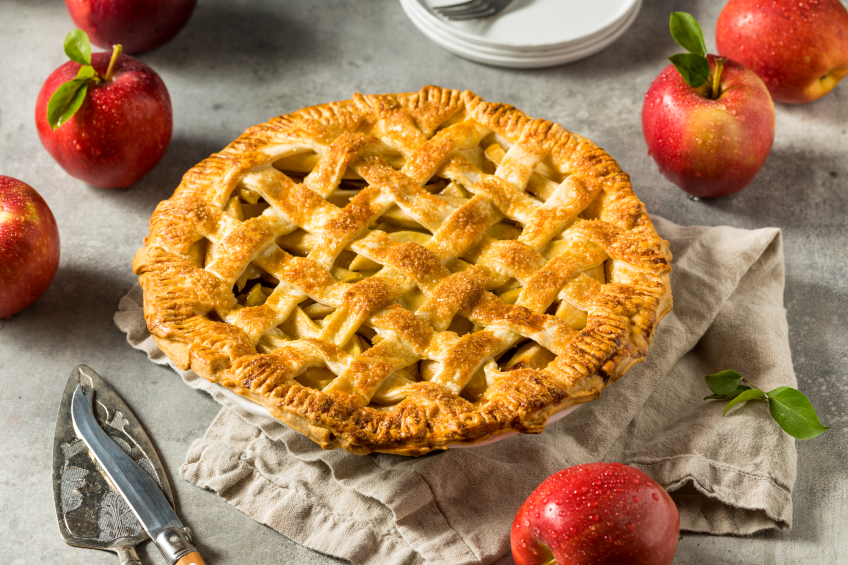

 A soggy apple pie can ruin a good dessert. The apples you pick make all the difference between a filling that holds its shape and one that turns to mush.
 A few factors decide whether your apple slices stay firm in the oven or turn into mush. Cell structure, moisture content, and the balance of sugar and acid all play a part in the final texture of your pie.
 Some apples hold their shape and stay firm when baked, while others turn soft and watery. Knowing which varieties work best helps you build a pie filling with good texture and balanced flavor.
 Some apples are worth choosing based on taste rather than just texture. These options give you more control over how sweet, tart, or rich your pie turns out.
 Mixing two or three apple types gives your pie better flavor and texture than using just one kind. Each apple brings something different, and the right blend balances sweetness, tartness, and firmness.
 Some apples break down too much on their own but work fine when paired with a firmer variety. Others, like Red Delicious, don’t hold up well no matter what you do, and storage conditions can turn even a good pie apple soft before it reaches your kitchen.
 The way you slice, season, and bake your apples matters just as much as the variety you pick. Small choices in prep and oven time can be the difference between clean slices and a soggy, collapsed filling.
 Different apple desserts need different textures, so the apple that works in a pie may not be the best choice for a crisp or a galette.
 Choosing the right apples can make a big difference to the texture of an apple pie. Firm varieties tend to hold their shape better during baking, while softer apples can break down and become mushy.


