Why Are the Apples in My Pie Crunchy? Causes and Fixes
Crunchy apples usually mean the filling didn’t cook long enough, or the apples you picked were too firm to soften in the time it takes to bake a crust.
The apples in your pie stay crunchy because thick slices, firm apple varieties, or short baking times don’t give the fruit enough time to break down.
Apple pie filling depends on heat breaking down the fiber inside each slice. If the slices are too thick or the apple variety is naturally hard, the outside of the crust can finish baking before the inside of the apples gets soft. This creates a pie that looks perfect but bites back with a crunch you didn’t expect.
The fix comes down to a few things you can control: how you slice the apples, which variety you choose, and whether you cook the filling before it goes into the crust. Once you understand what’s happening inside your pie, getting tender apples every time becomes much easier.
What Keeps Pie Apples Firm
Apple firmness in a pie comes down to plant chemistry and how you apply heat. Pectin, starch, and acid all play a role in whether your filling ends up tender or stays crunchy.
Pectin, Acid, and Heat
Pectin is a natural substance found in apple cell walls. It acts like a glue that holds the cell structure together.
When you heat apples, pectin normally breaks down and softens. But this only happens under the right conditions.
Acid slows down this breakdown. If your filling has a lot of lemon juice or your apples are naturally tart, like Granny Smith, the pectin holds on longer. This means the apples stay firmer even after baking.
Sugar has a similar effect. It pulls moisture away from the apple cells, which can slow softening too.
Heat level matters as well. If your oven temperature is too low, or your bake time is too short, the pectin never gets hot enough to fully break down.
The Trade-Off Between Firmness and Tenderness
Firm apples and tender apples serve different purposes in baking. Firm apples, such as Honeycrisp or Braeburn, hold their shape well. This makes them useful for pies where you want distinct apple slices instead of mush.
Tender apples, like Fuji or Gala, break down more easily. They create a softer, more blended filling.
Here’s a quick comparison:
Apple Type
Texture After Baking
Best Use
Granny Smith
Firm, holds shape
Structured pies
Honeycrisp
Firm, slightly tender
Balanced texture
Fuji
Soft, breaks down
Smooth filling
Gala
Very soft
Sauce-like filling
If you want a pie with tender apples but no crunch, choose a variety naturally lower in pectin and acid, or extend your bake time slightly.
Choose Apples That Bake Evenly
The apple variety you choose has the biggest impact on your pie’s final texture. Some apples hold their shape in the oven, while others break down into mush, and picking the right one (or the right combination) solves most crunchy pie problems.
Best Firm Baking Apples
Firm baking apples keep their structure even after an hour in the oven. Granny Smith apples are the top choice for most bakers because their high acidity and firm flesh let them soften without turning to mush.
Braeburn and Honeycrisp are also strong options. Both have dense flesh that breaks down slowly, so you get tender slices with a bit of bite left in them.
Here’s how these varieties compare:
Apple Variety
Texture After Baking
Flavor Profile
Granny Smith
Firm, holds shape
Tart
Braeburn
Firm to tender
Sweet-tart
Honeycrisp
Tender, some structure
Sweet
These apples work well because their cell walls contain more pectin. Pectin needs sustained heat to break down, so it resists turning soft too fast.
Varieties That Soften Too Quickly
Some apples turn mushy before your crust even finishes browning. McIntosh apples are a common culprit. They have soft flesh and low pectin, so they collapse into sauce-like texture during baking.
Red Delicious apples also cause problems, though for a different reason. They’re bred for eating fresh, not baking, so their flesh breaks down unevenly and can turn watery.
Golden Delicious falls in a middle zone. It softens quickly but holds a bit more shape than McIntosh. It works better in blends than on its own.
If your pie filling turns to mush while the apples still taste raw in spots, the variety is likely the issue, not your baking time or oven temperature.
Why Blending Apple Varieties Works
Mixing a firm apple with a softer one gives you the best of both textures. A blend also balances tartness and sweetness, since firm apples like Granny Smith tend to be more sour while softer ones are sweeter.
Try one of these combinations:
Granny Smith + Honeycrisp for tart-sweet balance with good structure
Braeburn + Golden Delicious for a naturally sweet pie with some bite
Granny Smith + McIntosh for a filling with both firm chunks and a saucy base
When slicing apples for a blend, cut all pieces to the same thickness. Uneven slicing apples causes some pieces to cook through while others stay hard, which creates the same crunchy texture problem you’re trying to avoid.
Prepare Apple Slices for Faster Cooking
How you cut and treat your apple slices before baking changes how fast they cook. Thin, even slices and a short sugar soak both help raw apples soften on time.
Slice Thickness and Uniformity
Thick apple slices need more time to soften than thin ones. Cut your slices between 1/8 and 1/4 inch thick for the best results. If your slices are different sizes, they will cook at different rates. Some pieces turn soft while others stay hard.
Try to make every slice the same size. This helps the heat spread evenly through your pie filling. A sharp knife makes this easier. Take your time and cut slow, steady slices instead of rushing.
Here’s a quick guide for slice thickness:
Thickness
Result
Under 1/8 inch
Cooks fast, may turn mushy
1/8 to 1/4 inch
Cooks evenly, holds shape
Over 1/4 inch
Stays crunchy, needs longer bake time
Using a Mandoline Safely
A mandoline slices apples fast and keeps every piece the same thickness. This tool saves time and helps your pie cook more evenly.
Most mandolines let you set the exact thickness you want. Pick a setting between 1/8 and 1/4 inch for pie slices.
Always use the hand guard that comes with the mandoline. The blade is very sharp and can cut fingers quickly if you slice by hand.
Push the apple down with steady, even pressure. Go slow, especially near the end of the apple, when your hand gets closer to the blade.
Clean the mandoline right after use. Bits of apple can stick to the blade and make it harder to clean later.
Macerating Apples With Sugar and Lemon
Macerating means soaking apple slices in sugar before baking. This pulls out extra juice and softens the fruit ahead of time.
Mix your sliced apples with granulated sugar or brown sugar, plus a splash of lemon juice. Let the mix sit for 30 minutes to an hour before you drain off the liquid.
The lemon juice adds a bit of tartness and stops the apples from turning brown. Draining the extra juice also helps prevent a watery pie filling.
You can add spices to this step too. Try cinnamon, nutmeg, or allspice for extra flavor while the apples soak.
This step gives your apples a head start on softening. It also means less liquid ends up in your pie crust later.
Use Par-Cooking for Reliable Tender Filling
Cooking your apples partway before they go into the crust gives you more control over texture. You get to soften the fruit, release extra liquid, and season the filling before it ever hits the oven.
How to Sauté the Filling
Peel and slice your apples, then add them to a skillet or Dutch oven with unsalted butter over medium heat. Melt the butter first so the apples cook evenly instead of sticking to the pan.
Stir in granulated sugar, brown sugar, ground cinnamon, and ground nutmeg. A splash of lemon juice helps balance the sweetness and keeps the apples from browning.
Cook for about 5 to 8 minutes, stirring often. You want the apples to soften slightly but still hold their shape, not turn mushy.
Cooling Cooked Apples Before Filling the Crust
Once your apple pie filling is done cooking, spread it out on a baking sheet or wide bowl. This helps it cool faster than leaving it in the hot pan.
Let the mixture cool to room temperature before adding it to your crust. Warm filling can soften the dough and make your bottom crust soggy before baking even starts.
Cooling also lets the liquid thicken slightly. This makes the filling easier to scoop and pack into the crust without excess juice pooling underneath.
Preventing Shrinkage and Excess Liquid
Raw apples lose a lot of volume as they bake, which creates a gap between the filling and the top crust. Pre-cooking apples lets that shrinkage happen before baking, so your pie holds its shape.
This step also removes extra water from the fruit ahead of time. Less liquid in the filling means a firmer bottom crust and a cleaner slice when you cut into the pie.
Here’s a quick comparison:
Method
Shrinkage During Baking
Risk of Soggy Crust
Raw apples
High
High
Par-cooked apples
Low
Low
Balance Juices With the Right Thickener
The right thickener soaks up extra juice from your apples so the filling sets instead of staying watery. Picking the correct type and amount also affects the texture of your apples, since too little thickener leaves a soupy pie and too much can make the filling gluey.
Cornstarch is a popular choice because it thickens quickly and doesn’t dull the apple flavor. Flour is easy to find but needs a larger amount to work the same way. Tapioca holds up well during baking and freezing, making it a good pick if you’re making the pie ahead of time.
How Much Thickening Agent to Use
The amount you need depends on how juicy your apples are.
As a general guide, use:
2 to 3 tablespoons of cornstarch per 6 cups of sliced apples
3 to 4 tablespoons of all-purpose flour for the same amount
2 to 3 tablespoons of tapioca, ground fine or as small pearls
Juicier apples, like Gala or McIntosh, need more thickener. Firmer apples, like Granny Smith, release less liquid and need less.
Mix the thickener with sugar before adding it to the apples. This spreads it evenly and stops clumps from forming in the filling.
Avoiding a Runny Filling and Soggy Bottom Crust
A soggy bottom crust often means the filling didn’t thicken enough before the juices soaked into the dough. Letting the apples sit with sugar for 10 to 15 minutes draws out extra moisture. You can drain off some of this liquid before adding the thickener, so there’s less water to absorb.
Bake the pie until you see the filling bubbling through the top crust or vents. This shows the starches have fully cooked and thickened the juices.
The natural pectin in apples also helps the filling hold its shape as it cools. Letting the pie rest for at least two hours after baking gives the pectin and thickener time to set fully, which keeps the apple pie crust firm on the bottom.
Bake Until the Filling Is Truly Done
Crunchy apples are often a sign that your pie came out of the oven too soon. Getting the baking time, temperature, and doneness signs right will help you avoid this problem next time.
Baking Time and Oven Temperature
Most apple pies need to bake for 45 to 60 minutes at 375°F (190°C). This temperature is hot enough to soften the apples fully without burning the crust.
If your oven runs cool, the apples may still be firm even after the timer goes off. Use an oven thermometer to check that your oven is actually reaching the set temperature.
Don’t rely only on the clock. Baking time can vary based on your oven, the type of apples you use, and how thick you sliced them. Thicker slices need more time to soften than thin ones.
Protecting the Crust With Foil or a Pie Shield
A long bake time can cause the edges of your crust to get too dark before the filling is done. This is where a pie shield or aluminum foil comes in handy.
Wrap strips of aluminum foil around the edge of the crust, or use a metal pie shield, once the edges start turning golden. This blocks direct heat while letting the center of the pie keep baking.
Add the foil or shield partway through baking, usually after the first 20 to 30 minutes. This gives you a flaky crust and a golden color without risking a burnt edge, while the apples inside get the extra time they need to turn tender.
Signs the Apples Are Tender Without Overbaking
The best way to check doneness is to look and listen, not just guess.
Here are signs your pie is ready:
Filling bubbles through the vents in the top crust
Juices look thick, not thin and watery
Crust is golden brown all over, not pale
A knife or skewer slides into the apples with little resistance
You can also use a food thermometer for a more exact check. Insert it into the center of the pie; the filling should reach an internal temperature of 200°F. This confirms the apples are fully cooked and the starches in the filling have thickened properly.
Avoid pulling the pie early just because the crust looks done. The crust often turns tender crust and golden crust before the apples underneath are finished. On the other hand, watch for overbaking, which can dry out the pie dough and make the edges too hard.
FAQ: Why Are the Apples in My Pie Crunchy?
Crunchy apples in an apple pie usually mean the fruit did not soften sufficiently during baking. The type of apple, slice thickness, moisture, and baking time can all affect the final texture.
Why Are the Apples in My Pie Crunchy?
The most common reason is undercooking. If the apples have not been exposed to enough heat for long enough, they may remain firm or crunchy even when the crust looks fully baked.
Does the Type of Apple Affect How Soft It Gets?
Yes. Firm varieties such as Granny Smith and Honeycrisp tend to retain more structure during baking. Softer apples break down more readily and produce a softer filling.
Can Thick Apple Slices Stay Crunchy?
Yes. Thick slices take longer for heat to penetrate, so they may remain firm while the crust becomes fully browned. Cutting apples into relatively even slices helps them cook consistently.
Why Are My Apples Still Hard After Baking?
The pie may not have been baked long enough, or the oven temperature may have been lower than expected. A thick filling can also require more time for the apples in the center to soften.
Does Covering an Apple Pie Help Soften the Apples?
Covering the pie with foil can help prevent the crust from becoming too dark while the filling continues cooking. This is useful when the apples need additional baking time.
Should You Pre-Cook Apples for Apple Pie?
Pre-cooking is optional, but it can help control the apples’ texture and reduce the risk of a crunchy filling. It also allows excess moisture to evaporate before the pie is assembled.
Does the Amount of Sugar Affect Apple Texture?
Sugar can draw moisture from the apples and influence how they soften during cooking. However, the type of apple, slice size, and baking time usually have a greater effect on whether the fruit remains crunchy.
Can an Apple Pie Be Too Full?
Yes. A very deep filling can take longer to cook through, leaving apples in the center firm while the crust is already browned.
How Do You Prevent Crunchy Apples in Pie?
Choose apples appropriate for baking, cut them into evenly sized slices, and bake the pie until the filling is visibly bubbling. If the crust browns before the apples soften, loosely cover it with foil and continue baking.
Can You Fix a Pie With Crunchy Apples?
If the crust is already browned but the apples remain crunchy, loosely cover the pie with foil and return it to the oven at a moderate temperature. Continue baking until the apples reach the desired tenderness.
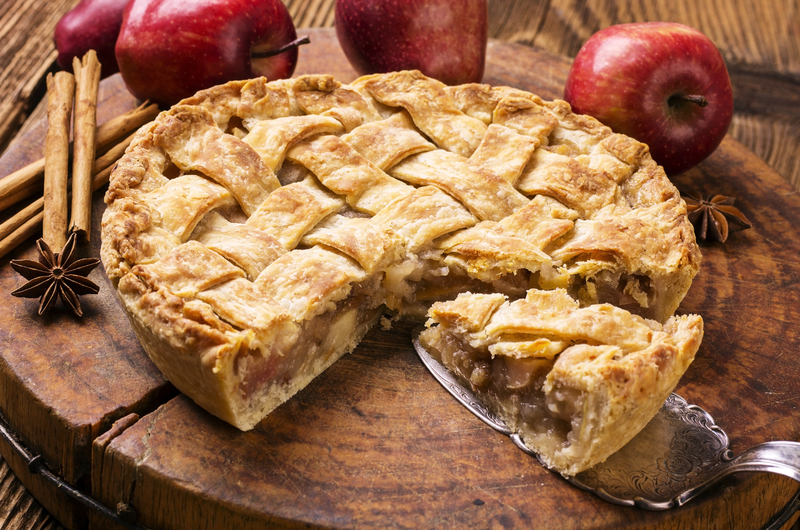


 Cooking your apples partway before they go into the crust gives you more control over texture. You get to soften the fruit, release extra liquid, and season the filling before it ever hits the oven.
 The right thickener soaks up extra juice from your apples so the filling sets instead of staying watery. Picking the correct type and amount also affects the texture of your apples, since too little thickener leaves a soupy pie and too much can make the filling gluey.
 Crunchy apples are often a sign that your pie came out of the oven too soon. Getting the baking time, temperature, and doneness signs right will help you avoid this problem next time.


