Is It Safe to Bake in Stainless Steel? Oven-Safety Guide
Stainless steel pans are a kitchen staple, but many people wonder about using stainless steel in the oven.
Baking with stainless steel is generally safe, and uncoated stainless steel can handle oven heat better than many other materials. Stainless steel cookware is durable and can distribute heat evenly when it has a layered construction, but check its temperature limits and attached parts before baking.
If you have a nickel allergy or you’re not sure your pan is oven-safe, read on. This guide covers the benefits of baking with stainless steel, its limitations, and how to check whether your cookware can handle the heat.
The Short Answer and Its Limits
Yes, you can put many stainless steel pans in the oven, but the answer depends on the cookware. The oven-safe temperature varies by brand, coating, and attached parts, so check the manufacturer’s instructions before use.
Why Uncoated Stainless Steel Can Go in the Oven
Uncoated stainless steel can withstand high heat without breaking down. Many stainless steel pans are oven-safe, often up to 500°F or higher, but the manufacturer’s rating is the limit to follow.
When heating stainless steel in the oven, the metal itself does not melt or release harmful chemicals at normal cooking temperatures. It is also less likely to warp when heated according to the manufacturer’s instructions.
Oven-safety problems usually come from other parts of the pan. Plastic or silicone handles may melt or crack in the oven, even when the metal body is oven-safe.
Each brand sets its own temperature limit for cookware. Some oven-safe stainless steel pans can handle temperatures up to 800°F, while others are rated for around 350°F.
Guessing is risky. Exceeding a pan’s rated limit can damage its coating or other components, and may warp the cookware.
The table below shows how much these limits can vary:
Cookware Type
Typical Oven-Safe Limit
Uncoated stainless steel
500°F–800°F
Non-stick coated stainless steel
350°F–500°F
Pans with plastic handles
350°F–400°F
Check the manufacturer’s website or product manual for your pan’s oven-safe temperature limit before baking. Third-party sites may list inaccurate ratings.
How to Check Your Pan Before Baking
Before putting a pan in the oven, inspect its handles, lid, and coating. A quick check can help you avoid melting, cracking, or other damage.
Handles, Knobs, and Glass Lids
Check what your handle is made of before baking. Metal handles on stainless steel pans usually tolerate oven heat, but plastic, rubber, or wood handles may melt or burn, depending on their temperature rating.
Check pot lids and knobs too. Some stainless steel pots have plastic knobs that are not designed for oven heat.
Glass lids need special attention. Not all glass lids can withstand oven temperatures, and some may crack at high heat.
Check the manufacturer’s directions for temperature limits on handles, knobs, and lids before use. If you are unsure, leave the lid off or use one that is confirmed to be oven-safe.
Coatings, Removable Parts, and Broiler Restrictions
Check your pan’s surface for a non-stick coating. Non-stick coatings may have lower heat limits than uncoated stainless steel. Repeated exposure to high heat can damage some coatings.
Check for removable parts, such as a detachable handle. These parts may have different temperature limits from the rest of the pan, so check each one separately.
Broiling adds extra risk. A broiler uses intense, direct heat, and some stainless steel pans are not designed for broiler use, even if they are oven-safe at lower temperatures.
Always check your pan for:
An oven-safe symbol or label on the bottom
Separate temperature limits for the lid and handle
Specific broiler warnings in the manufacturer’s guide
Food Safety and Metal Leaching
Stainless steel bakeware is made from a mix of metals, and small amounts may transfer to food, especially acidic foods. Knowing what the metal contains and how your body may react can help you decide whether stainless steel is right for your kitchen.
What Stainless Steel Is Made Of
Stainless steel is mostly iron, mixed with chromium and often nickel. Chromium helps the metal resist rust and stains, which is why stainless steel cookware resists corrosion better than plain iron or steel.
Many kitchen-grade stainless steel products are labeled 18/8 or 18/10. These numbers indicate the percentages of chromium and nickel in the alloy. A rating of 18/10 means 18% chromium and 10% nickel, with most of the remainder being iron.
This blend creates a thin protective layer on the surface, which helps limit reactions between the metal and food. Under normal baking conditions, stainless steel is considered a stable, food-safe material that holds up well over time.
Nickel Sensitivity and Cooking Acidic Foods
Small amounts of nickel can transfer from stainless steel bakeware into food, particularly when cooking acidic ingredients. Foods like tomatoes, citrus, and vinegar can trigger more nickel leaching than ingredients with a neutral pH, such as bread or potatoes.
For most people, the amount of nickel that leaches into food is too small to cause health problems. However, anyone concerned about nickel leaching or managing a diagnosed nickel allergy may need to limit exposure.
Nickel exposure can trigger skin reactions, such as rashes or itching, in sensitive people. If you have a nickel allergy, ask a healthcare professional whether stainless steel cookware is suitable for you.
If you want to reduce nickel exposure, look for nickel-free stainless steel, often labeled 18/0. This type contains no nickel and uses other elements in its alloy. Check the manufacturer’s specifications to confirm the composition and care instructions.
Which Stainless Steel Pieces Work Best for Baking
Not all stainless steel bakeware performs the same way in the oven. Some pieces are designed for baking, while others work better for roasting or finishing dishes where even browning is less important.
Sheet Pans and Roasting Pans
A stainless steel sheet pan works well for roasting vegetables, baking sheet-pan dinners, and toasting nuts. These pans can withstand high heat when rated for it and clean up easily after greasy or sticky foods.
Stainless steel roasting pans work well for meats, root vegetables, and casseroles. For these dishes, consistent browning may be less important than it is for delicate baked goods.
For best results, choose a sturdy pan. A thin pan may develop hot spots or warp at high oven temperatures. Look for one that sits flat on your counter before you buy it.
Clad Cookware and Even Heating
Clad stainless steel cookware has layers of aluminum or copper sandwiched between stainless steel. These layers help address stainless steel’s relatively poor heat conductivity and improve heat distribution.
If you’re baking something that needs consistent color, like a quiche in a stainless steel skillet, clad construction can help reduce uneven browning. Many stainless steel cookware brands use this type of construction in their higher-end product lines.
Clad cookware usually costs more, but it can hold up well over time. It may also resist warping, which matters if you plan to move the pan between the stovetop and oven.
When Another Bakeware Material May Work Better
Stainless steel bakeware isn’t the right choice for every recipe. Delicate items like cookies, layer cakes, and pastries often bake more evenly in aluminum pans. Aluminum conducts heat more evenly than plain stainless steel, which can help baked goods brown consistently.
Here’s a quick comparison:
Bakeware Material
Best For
Weak Point
Aluminum
Cookies, cakes, pastries
Can react with acidic foods
Nonstick
Easy release, delicate baked goods
Coating wears down over time
Plain stainless steel
Roasting, sheet pan meals
Uneven heating without an aluminum core
Clad stainless steel
Most baking tasks
Higher price point
If you bake delicate pastries often, keep at least one aluminum or nonstick pan on hand alongside your stainless steel bakeware.
Tips for Better Results and Safer Handling
A few simple habits make baking with stainless steel easier and help protect both your food and your hands. Small changes in preparation, heat control, and cleanup can prevent sticking, uneven browning, and burns.
Prevent Sticking With Grease or Parchment
Stainless steel does not have a nonstick coating, so food can stick if you skip preparation. Before baking, coat the pan with butter, oil, or cooking spray. This creates a barrier between the food and the metal surface.
For baked goods like cookies, pastries and bread, or for roasted vegetables, parchment paper provides a nonstick surface and makes cleanup faster. It also helps keep sugary or sticky foods from adhering to the pan during baking.
If you are roasting meat, grease still works well because parchment paper can sometimes burn at very high temperatures. Always check the paper’s heat limit before using it in a hot oven.
Manage Browning During High-Heat Roasting
Plain stainless steel conducts heat less evenly than materials like aluminum or copper, which can lead to hot spots during high-heat roasting. As a result, some areas of your food may brown faster than others.
To manage this, rotate the pan halfway through cooking. This can help food brown more evenly.
You can also lower your oven temperature slightly and extend the cooking time. This gives food more time to cook through without the outside burning first. Keep an eye on thinner cuts of meat or smaller baked items, since these brown faster than thicker, denser foods.
Avoid Thermal Shock and Handle Hot Metal Safely
Sudden temperature changes can warp or damage stainless steel pans. This is called thermal shock, which can occur when a hot pan comes into contact with cold water or a cold surface.
To prevent thermal shock, let your pan cool naturally before washing it. Never place a hot pan directly in cold water, as repeated temperature shocks can cause it to warp.
Stainless steel pans get very hot during baking and stay hot after you remove them from the oven. Always use oven mitts when handling a hot pan, even for a few seconds. Place it on a heat-safe surface, such as a trivet or folded towel, rather than directly on a countertop.
Essential Stainless Steel Bakeware Sets for Every Kitchen
Stainless steel bakeware is valued for its durability, versatility, and easy maintenance. From everyday baking pans to large roasting dishes, these options cover a range of kitchen needs.
TeamFar Stainless Steel Bakeware – Set of 11
This Stainless Steel Bakeware Set includes a useful selection of pans for cakes, loaves, muffins, lasagna, and other dishes. Made from stainless steel, the pans have a smooth surface for easier cleaning and are dishwasher safe.
E-far Stainless Steel Sheet Cake Pan – Set of 3
This set of three Stainless Steel Baking Pans provides different sizes for cakes, brownies, cookies, casseroles, and lasagna. The rectangular pans are made from stainless steel and are dishwasher safe for convenient cleanup.
Large Turkey Roasting Pan with Rack
The Joyfair Large Turkey Roasting Pan with Rack measures 15.3 inches and is designed for roasting large poultry. Its V-rack helps keep the food elevated during roasting, while the sturdy handles make the pan easier to move.
Heavy-Duty Stainless Steel Baking Pan
This Heavy-Duty Stainless Steel Sheet Pan measures 16.2 × 12.6 × 2.4 inches and can be used for baking cookies, roasting vegetables, and other oven or grill cooking. Its deeper sides make it suitable for a variety of foods, while the stainless steel construction offers durability and straightforward cleanup.
Stainless steel bakeware can be a practical choice for cooks who want durable, versatile pans that are easy to maintain. Choosing different sizes and shapes allows you to handle everything from everyday baking to large roasting jobs.
FAQ: Is It Safe to Bake in Stainless Steel?
Yes, stainless steel is generally safe for baking when the cookware is designed for oven use. Stainless steel is durable, non-porous, and resistant to corrosion, making it a common material for baking sheets, cake pans, roasting pans, and other oven cookware.
The important qualification is that not every stainless steel item is automatically oven-safe. Check the manufacturer’s instructions for the maximum temperature and make sure handles, lids, coatings, and other components are also rated for oven use.
Does Stainless Steel Release Chemicals When Heated?
Stainless steel cookware can release small amounts of metal ions into food, particularly when cooking acidic foods for long periods. The amount depends on factors such as the type of stainless steel, food acidity, cooking time, and condition of the cookware.
For normal baking use, stainless steel cookware is generally considered suitable for food contact. Using cookware from a reputable manufacturer and following its care instructions is a sensible approach.
Can Stainless Steel Go in the Oven at 400°F?
Many stainless steel baking pans can be used at 400°F (204°C), but the exact temperature limit depends on the particular product. Stainless steel itself can tolerate high temperatures, but handles, lids, welded components, or other materials may have lower limits.
Always check the manufacturer’s oven-safety rating rather than assuming that every stainless steel pan has the same maximum temperature.
Is Stainless Steel Better Than Aluminum for Baking?
Neither material is universally better. Stainless steel is durable and corrosion-resistant, while aluminum is an excellent conductor of heat and generally heats more quickly.
This difference can affect baking performance. Stainless steel pans may produce different browning and cooking results from aluminum pans, so the material specified by a recipe can matter, particularly for cakes, cookies, and other temperature-sensitive baked goods.
Is Stainless Steel Good for Baking Cakes?
Yes. Stainless steel cake pans can be used for baking cakes, provided they are oven-safe and suitable for the recipe. However, stainless steel transfers heat differently from aluminum and other baking materials, which can affect how quickly the cake cooks and browns.
When substituting a stainless steel pan for another material, monitor the cake toward the end of the recommended baking time and use the recipe’s normal doneness tests.
Can Stainless Steel Baking Pans Rust?
High-quality stainless steel is highly resistant to rust, but it is not completely immune to corrosion. Exposure to salt, acidic residues, harsh cleaning products, or surface damage can contribute to staining or corrosion over time.
Cleaning the pan according to the manufacturer’s instructions and drying it thoroughly can help maintain its condition.
Is Stainless Steel Safer Than Nonstick for Baking?
Stainless steel and nonstick cookware have different characteristics, and oven safety depends on the specific product rather than simply the material category. Stainless steel has the advantage of having no nonstick coating to degrade or become damaged during normal use.
For either type of cookware, follow the manufacturer’s temperature limits and instructions for oven use.
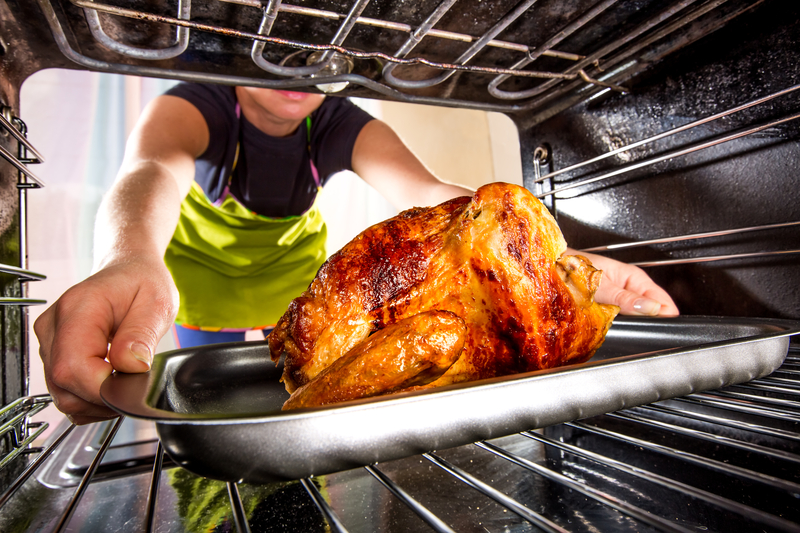


 Yes, you can put many stainless steel pans in the oven, but the answer depends on the cookware. The oven-safe temperature varies by brand, coating, and attached parts, so check the manufacturer’s instructions before use.
 Before putting a pan in the oven, inspect its handles, lid, and coating. A quick check can help you avoid melting, cracking, or other damage.
 Stainless steel bakeware is made from a mix of metals, and small amounts may transfer to food, especially acidic foods. Knowing what the metal contains and how your body may react can help you decide whether stainless steel is right for your kitchen.
 Not all stainless steel bakeware performs the same way in the oven. Some pieces are designed for baking, while others work better for roasting or finishing dishes where even browning is less important.
 A few simple habits make baking with stainless steel easier and help protect both your food and your hands. Small changes in preparation, heat control, and cleanup can prevent sticking, uneven browning, and burns.
 Stainless steel bakeware is valued for its durability, versatility, and easy maintenance. From everyday baking pans to large roasting dishes, these options cover a range of kitchen needs.
 Yes, stainless steel is generally safe for baking when the cookware is designed for oven use. Stainless steel is durable, non-porous, and resistant to corrosion, making it a common material for baking sheets, cake pans, roasting pans, and other oven cookware.


