Can You Bake Lasagna in an Aluminum Pan? Safety and Tips
You just found a pan of lasagna noodles in your pantry, but all you have on hand is an aluminum pan.
Yes, you can bake lasagna in an aluminum pan, and it will cook just fine if you monitor the temperature and baking time. Aluminum pans heat up quickly and provide even heat distribution across the bottom. This can work in your favor, but your lasagna may cook faster than expected, especially around the edges.
Before using one, consider the type of aluminum pan you choose, how you handle it, and whether to adjust your cooking method. These details can affect how your lasagna turns out.
The Short Answer and Key Trade-Offs
Yes, you can bake lasagna in an aluminum pan. It works well for most home cooks, but it helps to understand the trade-offs before choosing one for your next batch.
Why Aluminum Works for Lasagna
Aluminum pans heat up quickly, helping your lasagna cook through without a long wait.
Many home cooks and professional kitchens use disposable aluminum pans because they are inexpensive and distribute heat evenly across the dish.
They also offer practical benefits:
Low cost: disposable pans cost less than glass or ceramic dishes
Easy cleanup: you can recycle or discard the pan after baking, if local guidelines allow
Simple to store or share: convenient for potlucks or gifting a meal
Most people report no noticeable change in taste when they use an aluminum pan, so it can offer convenience without sacrificing flavor.
When Another Baking Dish May Be a Better Choice
Aluminum pans are often thinner than glass or ceramic dishes. Thin disposable pans can lack even heat distribution, which may leave the edges dry before the center is done.
Disposable pans also tend to be flimsy. A full lasagna can bend or sag when you lift it out of the oven, increasing the risk of spills or a collapsed dish.
With bare aluminum, acidic tomato sauce may react with the pan’s surface, particularly during prolonged contact. This can cause discoloration or a metallic taste.
For greater stability and more consistent results, glass or ceramic dishes may be a better choice.
Choosing and Supporting the Pan
The right pan size helps prevent lasagna from overflowing or drying out. A few simple steps can also keep a flimsy disposable pan from buckling under the weight of a full dish.
Size, Depth, and Oven-Safe Construction
Choose a pan deep enough to hold at least four layers without the sauce bubbling over the sides. Check the pan’s depth carefully, as a shallow pan can cause spills in your oven.
Choose aluminum pans for lasagna that are labeled oven-safe and rated for the temperature you plan to use. Many lasagna recipes bake at about 375°F, but check the pan’s instructions and your recipe for the recommended temperature.
Thicker aluminum tends to be sturdier than thin foil. If a pan feels flimsy when empty, choose a sturdier option or support it with a baking sheet to reduce the risk of bending and spills.
How to Handle a Filled Disposable Pan
Disposable aluminum pans are lightweight on their own, but a fully assembled lasagna is heavy. Thin metal can bend or sag under the weight of pasta, sauce, and cheese.
Set the disposable pan on a sturdy, rimmed baking sheet before you start layering. This creates a stable base for carrying the lasagna into and out of the oven.
The baking sheet can also catch sauce that bubbles over the edges, helping keep your oven clean. Never lift a full pan by its thin edges alone, as it may fold or spill.
Managing Contact With Tomato Sauce
Tomato sauce is one reason people ask about cooking lasagna in an aluminum pan. Its acidity can react with bare aluminum during prolonged contact, so it helps to know how to reduce that contact.
Why Acidic Sauce Can Affect Bare Aluminum
Tomato sauce is acidic. When it touches bare aluminum for an extended time, it may react with the metal. This reaction can cause small amounts of aluminum to transfer into food and may create a metallic taste.
You might also notice pitting or discoloration on the pan’s surface. This is more likely with prolonged contact, such as during a long bake. The amount of aluminum that transfers from cookware is generally small, but the reaction may affect the pan’s surface or the food’s taste.
Some cooks also report small holes forming in foil covers placed over the pan. Acidic food can contribute to corrosion when it contacts aluminum foil.
Practical Ways to Limit Contact and Avoid Metallic Flavors
You have several easy options to reduce contact between sauce and bare aluminum.
Use a lined or coated pan. A food-safe barrier can reduce direct contact between the sauce and bare metal. Avoid lining the pan with parchment unless the parchment’s package says it is safe for your oven temperature.
Use a thin layer of oil or butter to help prevent sticking. This does not fully prevent contact between acidic sauce and aluminum.
Add a layer of pasta or cheese first to keep sauce from sitting directly on the metal.
Avoid storing leftover lasagna in the pan. Move it to a glass or food-safe plastic container once it has cooled.
These steps can help reduce direct contact with bare aluminum and protect the pan’s surface and the flavor of your lasagna.
Baking for a Hot Center and Golden Top
A good lasagna needs a hot center and a browned top. How you layer and cover it, along with the pan you use, can affect both.
Assembling Layers Without Overfilling
Fill your aluminum pan no more than three-quarters full. This leaves room for the lasagna to bubble without spilling over the sides.
Start with a thin layer of sauce on the bottom to help keep the noodles from sticking to the pan.
Keep your layers even. Uneven layers can cook at different rates, leaving some areas underdone while others overcook.
A standard 9×13-inch pan often holds about four to five layers of noodles, sauce, cheese, and filling. Press down gently after each layer to remove large air pockets.
Large air pockets can make the lasagna heat unevenly, especially in the center. Even heat distribution from the pan works best when the layers are arranged evenly.
Covering, Uncovering, and Checking Doneness
Cover your lasagna with foil for the first 30 to 40 minutes, or follow your recipe’s timing. This helps retain moisture while the center heats.
Remove the foil near the end of baking to let the cheese brown. The timing depends on your recipe and oven.
Check the center temperature with a food thermometer. It should reach at least 165°F before you take the pan out.
If the top browns too quickly while the center is still cool, loosely cover the lasagna with foil and continue baking until the center reaches 165°F. Avoid lowering the oven temperature unless your recipe recommends it.
Adjusting for Pan Depth and Oven Performance
Aluminum pans come in different depths, which can affect how quickly the center heats. A deeper pan holds more layers and may need more baking time.
A shallow pan may cook faster because heat has less distance to travel. Check your lasagna before the recipe’s suggested finish time if you’re using a shallow pan.
Ovens vary too. Some run hotter or cooler than the set temperature.
Use an oven thermometer to check the actual temperature inside. Baking lasagna in an oven that’s hotter than expected may brown the top before the center is fully cooked, so adjust the oven setting if needed and continue checking the center temperature.
Storing, Freezing, and Reheating
Aluminum pans can be convenient for freezing and reheating lasagna, but take a few extra steps to keep the food safe and the pan intact. Because tomato sauce is acidic, avoid storing lasagna in direct contact with bare aluminum for a long time.
Protecting Leftovers From Prolonged Contact With Aluminum
Avoid leaving lasagna in an aluminum pan for days without a barrier between the food and the metal. The acid in tomato sauce can react with the aluminum over time, potentially affecting the flavor of your leftovers.
To reduce contact, transfer leftovers to a glass or plastic container once the dish has cooled. For short-term storage, you can also cover the lasagna with plastic wrap, but do not let the wrap touch hot food. This creates a barrier that reduces contact between the acidic sauce and the pan.
If you’re storing leftovers in the fridge for a day or two, the risk of noticeable flavor changes is low. For longer storage, transfer them to a nonreactive container.
Freezing and Reheating Without Putting Plastic in the Oven
Disposable aluminum pans are a practical choice for freezing lasagna because they withstand cold temperatures and won’t crack like glass can. You can transfer the pan from the freezer to the oven, making cleanup simple. Check that the pan is labeled oven-safe, and place it on a baking sheet for support.
For more even reheating, thaw your lasagna in the refrigerator overnight. Thawing in the fridge supports even heat distribution and keeps bacterial growth in check.
When it’s time to reheat, remove any plastic wrap first. Cover the pan tightly with foil and place it on a baking sheet for support. Bake at 375°F: thawed lasagna takes 30 to 40 minutes, while frozen lasagna needs 60 to 75 minutes. Check that the center reaches 165°F before serving.
Troubleshooting Common Results
Baking lasagna in an aluminum pan can lead to a few predictable problems. Most are related to heat, moisture, or the pan’s thin walls, and each has a simple fix.
Dry Edges or a Cool Center
Thin aluminum heats up quickly but does not retain heat as evenly as thicker cookware. As a result, the edges can dry out before the center is fully cooked.
To help prevent this, place your aluminum pan on a sturdy baking sheet before it goes in the oven. The baking sheet helps distribute heat more evenly across the bottom of the pan.
Check your lasagna about 10 minutes before the recipe’s suggested cook time. Carefully lift the foil and check the center. If it is still cool or watery, cover it again and bake in five-minute intervals until it is hot throughout.
Covering the pan with foil for most of the baking time also helps trap steam and keeps the edges from drying out too quickly.
Spills, Sticking, and Insufficient Browning
Aluminum pans flex more than glass or ceramic dishes, so they can bend or spill sauce if lifted without support.
Carry your lasagna pan with both hands, and place it on a cookie sheet for extra stability when moving it in and out of the oven.
To prevent sticking, grease the bottom and sides of the pan well before adding the noodles, even if your recipe does not mention it.
If the top is not browning as desired, remove the foil for the last 10 to 15 minutes of baking. This exposes the cheese to direct heat, helping it turn golden instead of staying pale and soft.
FAQ:Can You Bake Lasagna in an Aluminum Pan?
Yes, you can bake lasagna in an aluminum pan. Aluminium conducts heat efficiently, making it suitable for baking lasagna in a conventional oven. Disposable aluminum pans are especially convenient for family gatherings, potlucks, meal preparation, and freezing portions for later.
However, aluminum pans can heat and brown food differently from glass or ceramic baking dishes. The pan’s thickness, depth, and size can also affect cooking time, so check that the lasagna is heated through before serving.
Does Lasagna Cook Faster in an Aluminum Pan?
Lasagna may cook differently in an aluminum pan because aluminium transfers heat efficiently. However, it does not always cook faster than lasagna in glass or ceramic cookware. The result depends on the pan’s thickness, the oven temperature, the amount of filling, and whether the lasagna is freshly assembled, refrigerated, or frozen.
Follow your recipe’s recommended temperature and cooking time, checking for doneness near the end of the suggested baking period. If the top browns too quickly, loosely cover the pan with aluminum foil.
Should You Cover Lasagna When Baking It in an Aluminum Pan?
Yes, covering lasagna for part of the baking time is often helpful. Foil helps retain moisture and prevents the cheese from browning too quickly before the layers are heated through.
A common approach is to bake the lasagna covered for most of the cooking time, then remove the foil toward the end to brown the cheese. Follow your recipe’s instructions, since baking times and methods vary.
To prevent cheese from sticking to the foil, leave a little space between the foil and the surface of the lasagna.
Is It Safe to Cook Lasagna in a Disposable Aluminum Pan?
Yes, a disposable aluminum pan is generally suitable for baking lasagna when it is designed for oven use. Because disposable pans are often thinner and less rigid than reusable baking dishes, place the pan on a sturdy baking sheet before filling or moving it.
This provides support, helps prevent spills, and makes it easier to transfer the lasagna safely in and out of the oven.
Always check the manufacturer’s temperature limits and instructions before use.
Can Tomato Sauce React With an Aluminum Pan?
Tomato sauce is acidic, and prolonged contact with uncoated aluminium can cause a reaction that may affect the food’s taste, colour, or appearance. This is generally more of a concern with prolonged storage or cooking than with a typical baking session.
For occasional lasagna baking, an aluminum pan is commonly used. However, if you regularly prepare highly acidic dishes or plan to store lasagna in the pan for an extended period, consider anodized aluminium, a suitable coated pan, glass, or ceramic cookware.
Avoid storing leftover lasagna in an uncoated aluminum pan; transfer it to an appropriate food-storage container after cooling promptly.
How Long Should You Bake Lasagna in an Aluminum Pan?
There is no universal baking time for lasagna in an aluminum pan. Many recipes bake at around 350°F (175°C) for 45–60 minutes, but the required time depends on the recipe, pan depth, ingredient temperature, and whether the dish is fresh or frozen.
For food safety, a lasagna containing meat should reach an internal temperature of 165°F (74°C). Check the centre with a food thermometer, particularly when reheating leftovers.
If baking frozen lasagna, follow the recipe or package directions and allow for additional cooking time as needed.
Can You Freeze Lasagna in an Aluminum Pan?
Yes. Aluminum pans are convenient for freezing lasagna, especially when preparing meals in advance. Use a freezer-safe pan, wrap the lasagna securely, and label it with the date.
For best quality and food safety, follow reliable freezing and reheating guidance. If transferring a frozen pan directly to the oven, make sure the pan is oven-safe and avoid exposing it to sudden temperature changes that could cause damage or uneven heating.
Key Takeaways
Aluminum pans are suitable for baking lasagna in an oven when they are rated for oven use.
Aluminium conducts heat efficiently, but lasagna does not always cook faster than in glass or ceramic dishes.
Use a baking sheet underneath a flimsy disposable pan for stability.
Cover the lasagna for much of the baking time if needed, then uncover it to brown the cheese.
Avoid prolonged storage of acidic tomato-based foods in uncoated aluminum.
Check that meat lasagna reaches 165°F (74°C) internally, especially when reheating.
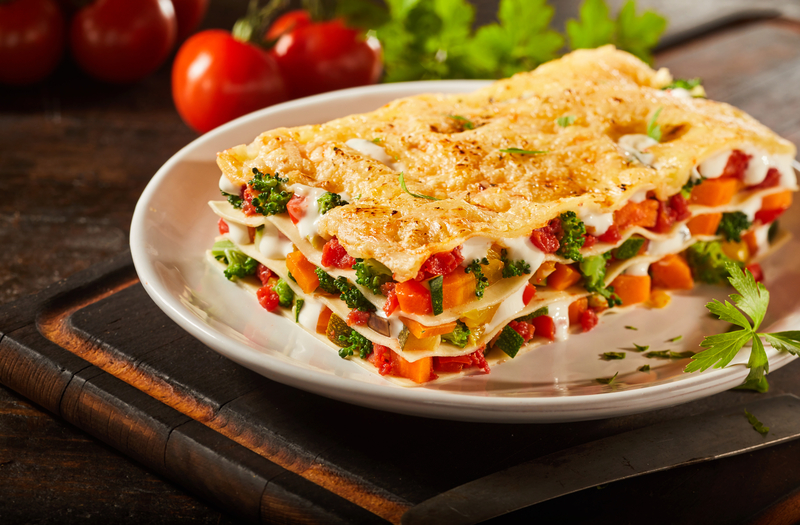


 Yes, you can bake lasagna in an aluminum pan. It works well for most home cooks, but it helps to understand the trade-offs before choosing one for your next batch.
 The right pan size helps prevent lasagna from overflowing or drying out. A few simple steps can also keep a flimsy disposable pan from buckling under the weight of a full dish.
 Tomato sauce is one reason people ask about cooking lasagna in an aluminum pan. Its acidity can react with bare aluminum during prolonged contact, so it helps to know how to reduce that contact.
 A good lasagna needs a hot center and a browned top. How you layer and cover it, along with the pan you use, can affect both.
 Aluminum pans can be convenient for freezing and reheating lasagna, but take a few extra steps to keep the food safe and the pan intact. Because tomato sauce is acidic, avoid storing lasagna in direct contact with bare aluminum for a long time.
 Baking lasagna in an aluminum pan can lead to a few predictable problems. Most are related to heat, moisture, or the pan’s thin walls, and each has a simple fix.
 Yes, you can bake lasagna in an aluminum pan. Aluminium conducts heat efficiently, making it suitable for baking lasagna in a conventional oven. Disposable aluminum pans are especially convenient for family gatherings, potlucks, meal preparation, and freezing portions for later.


