How Long Do You Bake Salmon at 425°F? A Complete Cooking Guide
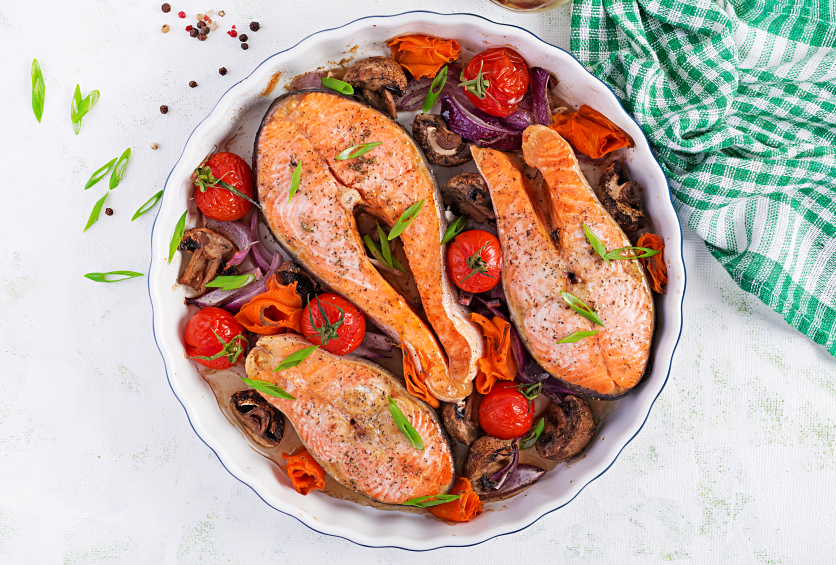
Salmon is one of the easiest fish to bake, but timing still matters if you want it to turn out well.
At 425°F, most salmon fillets bake for 10 to 15 minutes, depending on their thickness. A thin piece might need only 8 minutes, while a thick center-cut fillet could take closer to 15 minutes.
Guessing the cooking time can leave you with dry, overcooked fish or a piece that is still raw in the middle. Thickness, more than weight, determines how long salmon needs in the oven. Understanding this helps you avoid the most common mistake when baking salmon at 425°F.
This article breaks down baking times by thickness, shows you how to check for doneness, and explains how the type of salmon and use of foil can affect your results.
Quick Timing Guide by Fillet Thickness
When baking salmon at 425°F, cooking time depends mostly on fillet thickness, not weight. Use the guidelines below as a starting point, then check for doneness near the end of the suggested time range.
One-Inch Fillets
A standard one-inch fillet is one of the most common sizes sold in stores. At 425°F, fillets about 1 inch thick commonly take 10 to 12 minutes to cook through.
If your fillet has skin, leave it on and place it skin-side down on the pan. This helps the flesh cook evenly and keeps the fish from sticking.
If you’re baking salmon without skin, expect a similar cooking time, but monitor it closely because skinless fillets can dry out slightly faster. Thin edges may finish before the center, so check the thickest part of the fillet for doneness.
Thicker Center-Cut Portions
Center-cut portions come from the middle of the fish and tend to be thicker and more uniform in shape. These pieces often need 12 to 15 minutes in the oven because thick center cuts may need 12 to 15 minutes at 425°F.
Because these cuts are thicker, the outside can look done before the center is fully cooked. Give the center a few extra minutes rather than removing the fish too early.
If you’re working with a very thick cut, more than 1 1/2 inches thick, add a few minutes and check the internal temperature before serving. Center-cut salmon baked at 425°F retains moisture well, making it a good choice for tender, flaky results.
Portion Sizes and Doneness Checks
Portion size affects timing less than thickness, but it still matters for smaller or larger cuts. A typical 6-ounce fillet about 1 inch thick usually needs 10 to 12 minutes at 425°F, although thicker portions may take up to 15 minutes.
The most reliable way to check doneness is with a food thermometer. Insert it into the thickest part of the fillet; it should read at least 145°F for fully cooked salmon.
If you prefer a more tender texture, you can remove the fish a few degrees below your target temperature and let it rest for a minute or two. Its internal temperature will continue to rise slightly after you take it out of the oven.
Choosing the Best Oven Temperature
The oven temperature affects how your salmon cooks, tastes, and browns. A few key factors can help you choose between common temperatures and determine when the fish is safe to eat.
When 425°F Is the Right Choice
Use 425°F when you want lightly browned salmon with a moist, tender interior. This high-heat baking method cooks the fish quickly while helping it retain moisture.
Salmon commonly bakes at temperatures from 400°F to 425°F, as described by this baking guide. Thicker cuts need more time, while thinner ones cook faster.
425°F is a good choice when you’re short on time or want more texture on the fish. This dry-heat cooking style triggers the Maillard reaction, creating a flavorful, golden exterior.
Baking quickly also supports nutrient retention. It preserves delicate omega-3 fatty acids, especially EPA and DHA, that can degrade under long cooking times. Retaining EPA keeps the fish both healthy and succulent.
These essential fatty acids help fight chronic inflammation and support heart health. Including salmon in your weekly routine can also help manage hypertension while significantly increasing your daily protein intake.
Comparing 400°F and 425°F
Both 400°F and 425°F can produce good results, but they cook salmon differently.
Here’s how they compare:
400°F: Cooks more gently, provides greater control, and reduces the risk of overcooking.
425°F: Cooks faster, creates more browning, and works well when you’re pressed for time.
You may wonder whether salmon turns out better at 400°F or 425°F. The answer depends on your preferred result. Choose 400°F for a softer texture and 425°F for a slightly firmer, more browned exterior.
Your choice also depends on what else you’re cooking. If you’re baking vegetables alongside the salmon, using the same oven temperature can save time and effort.
Safe Internal Temperature for Salmon
No matter which oven temperature you choose, check that your salmon reaches a safe internal temperature. Proper food safety standards from the USDA recommend cooking salmon to an internal temperature of 145°F.
Check the temperature with a food thermometer inserted into the thickest part of the fillet. The flesh should look opaque and flake easily with a fork.
If you prefer a more tender, medium texture, you can remove the salmon at 125°F to 130°F and let it rest for a few minutes. However, this serving temperature is below USDA recommendations, so keep food safety principles in mind before serving.
Preparing Salmon for Even Cooking
Even cooking starts before the fish enters the oven. How you select, season, and arrange your salmon affects how evenly it bakes at 425°F.
Selecting Fresh or Previously Frozen Salmon
Fresh salmon should smell mild, like the ocean, rather than fishy or sour. The flesh should look bright and moist and spring back when pressed.
If you buy frozen salmon, thaw it fully before baking. A fillet with ice crystals in the center will cook unevenly, leaving the middle undercooked while the edges dry out.
Thaw salmon in the refrigerator overnight for the best results. If you need it sooner, place the sealed fillet in cold water for about an hour.
Choose fillets that are similar in size and thickness when possible. Uneven pieces cook at different rates, so matching them helps everything finish at the same time.
Seasoning and Oiling the Fish
A light coat of oil helps salmon cook evenly and keeps it from sticking to the pan. Olive oil or avocado oil works well at this temperature.
Pat the salmon dry with a paper towel before adding oil. This helps the seasoning adhere and improves the texture of the exterior as it bakes.
Salt and pepper are basic seasonings, but you can add other flavors as well.
Common options include:
Garlic powder
Lemon zest
Dried herbs such as dill or thyme
A small amount of honey or mustard for a light glaze
Season both sides of the fillet, including the skin if it remains attached. This helps distribute flavor through the fish as it bakes rather than leaving it only on the surface.
Arranging Portions on the Pan
Give each piece of salmon space on the baking sheet. Crowding the pan traps steam, which can make the fish soft instead of firm.
Leave at least 1 inch between fillets. This allows hot air to circulate around the salmon so it cooks evenly.
Place the fillets skin-side down if the skin is attached. This helps protect the flesh from direct heat and makes the fish easier to lift from the pan.
If your fillets vary in thickness, place the thicker pieces toward the center of the pan. Center placement may expose them to slightly more heat, which can help balance differences in cooking time.
Baking Methods and Their Timing Differences
How you bake salmon affects its cooking time. Foil, no foil, skin on, or skin off, each choice changes the heat, moisture, and total time in the oven.
Uncovered Salmon on a Sheet Pan
If you bake salmon at 425°F without foil, the fish receives direct, dry heat. This helps the exterior develop light browning while the inside stays moist. Most fillets cooked this way need 10 to 15 minutes, consistent with guidance for salmon fillets baked at 425°F to 450°F.
Check your salmon a few minutes before the timer ends. Thin fillets can dry out quickly without foil, so monitor them closely after the 10-minute mark. Use a fork to test whether the fish flakes easily, or confirm that the thickest part has reached 145°F with a food thermometer.
Foil-Wrapped Salmon Packets
When you bake salmon at 425°F in foil, steam is trapped around the fish. This helps keep it moist and may speed cooking slightly compared with an uncovered pan.
Foil-wrapped salmon usually needs about 12 to 18 minutes, depending on thickness. Foil also simplifies cleanup and helps prevent the edges from drying out.
If you prefer a firmer crust, open the foil during the last few minutes. This allows steam to escape and gives the top time to brown before you remove the salmon from the oven.
Skin-On Versus Skinless Fillets
Skin acts as a barrier between the heat and the flesh. Salmon baked at 425°F with skin usually takes about the same amount of time as skinless salmon, but the skin should generally face down to protect the flesh and make the fillet easier to remove from the pan.
Skin-on fillets may take 1 to 2 minutes longer in some cases because the skin slows direct heat transfer.
When you bake salmon at 425°F without skin, both sides receive heat more directly. Check the fish earlier because skinless fillets can overcook faster without this natural buffer.
Adjustments for Frozen, Large, and Whole Salmon
Standard bake times change when you cook salmon from frozen, prepare a large fillet, or roast a whole fish. Adjust the timing for thickness, weight, and shape to promote even cooking.
Cooking Salmon Directly From Frozen
You can bake salmon straight from the freezer at 425°F without thawing it first. This method takes about 20 to 25 minutes, which is roughly double the time required for thawed salmon.
Don’t rinse ice off the fillet before baking. The ice helps the fish cook evenly instead of drying out on the outside.
Choose fillets under 1 inch thick for the best results. Thicker cuts need more time in the oven, so check the center with a fork or thermometer before serving.
Always confirm the fish reaches an internal temperature of 145°F. This confirms that the salmon is safe to eat, even when you skip thawing.
Timing a Three-Pound Salmon Fillet
A 3-pound salmon fillet needs more time than a single serving. At 425°F, plan for about 25 to 35 minutes, depending on the fillet’s thickness.
Large fillets often measure 2 inches or more at their thickest point. Start checking the fish about 5 minutes before the low end of your estimated cooking time.
Use a meat thermometer to test the thickest part of the fillet. Remove the salmon when it reaches 145°F, since it may continue cooking slightly after it leaves the oven.
If your fillet has an uneven shape, tuck the thinner end under itself. This creates a more consistent thickness and helps the fish cook at the same rate.
Roasting Whole Salmon in Foil
Whole salmon takes longer to cook than fillets because of its bones and greater thickness. At 425°F, a whole fish typically needs 25 to 40 minutes, depending on its size and weight.
Wrapping the salmon in foil traps steam and keeps the flesh moist. This method also makes cleanup easier and helps prevent the skin from sticking to the pan.
Leave a small gap at the top of the foil packet during the last few minutes of cooking. This allows the skin to crisp slightly without drying out the flesh underneath. Check for doneness near the backbone, where a whole fish is thickest. The flesh should flake easily and reach 145°F before serving.
How to Tell When Salmon Is Done
You can check salmon for doneness with a thermometer, by examining its texture and color, or by using these methods together. Each provides a useful indication that the fish has finished cooking without becoming dry.
Using an Instant-Read Thermometer
A thermometer provides the most reliable answer. Insert it into the thickest part of the fillet, away from the pan or baking sheet.
The USDA-recommended safe temperature for salmon is 145°F. Some home cooks remove the fish at 135°F to 140°F because its temperature can rise a few degrees after it leaves the oven.
Factoring in carryover cooking helps you avoid overcooked, dry fish as residual heat gently finishes the interior. If the thermometer reads below 130°F, return the salmon to the oven for a few more minutes and check again.
Always test the thickest section of the fillet. Thin edges cook faster and may show a higher reading, which can make the whole piece seem done prematurely.
Checking Texture and Color
Texture and color can indicate doneness even without a thermometer. Cooked salmon should look opaque throughout, not shiny or translucent.
Press the top of the fillet gently with a fork. It should separate easily into flakes when ready. If the fish resists and feels firm or rubbery, it may be overcooked. If the center looks wet or glassy, it needs more time.
Here’s a quick checklist:
Color: Light pink to opaque, with no raw or translucent spots
Texture: Flakes apart with light pressure
Center: No longer looks wet or shiny
This method works well for judging doneness quickly, especially if you don’t have a thermometer.
Resting Before Serving
Let your salmon rest for three to five minutes after removing it from the oven. This short pause allows the heat to spread evenly through the fillet.
Resting also allows the fish to finish cooking gently through carryover cooking, since its internal temperature may rise a few more degrees. Skipping this step can leave the center undercooked even when the outside appears done.
Set the salmon on a plate or cutting board and loosely tent it with foil. Avoid cutting into it immediately, since this releases moisture and can leave the meat drier than necessary.
Common Baking Mistakes to Avoid
Small errors can turn a good piece of salmon into a dry or unevenly cooked one. Pay attention to the fillet type, thickness, and pan setup for consistent results.
Overcooking Lean Fillets
Lean cuts, such as wild-caught sockeye or pink salmon, contain less fat than many farmed varieties. As a result, they dry out faster in the oven. If you leave a lean fillet in the oven too long, its proteins tighten and squeeze out moisture. The result is a chalky, dry texture instead of moist, flaky flesh.
Remove lean salmon from the oven a minute or two before fattier cuts. Check for doneness early, since these fillets can become overcooked quickly. This is a common mistake when baking salmon, especially with leaner cuts that do not tolerate extra oven time.
Skipping Thickness-Based Timing
A one-inch fillet and a two-inch fillet need different bake times. Using the same timer for both can result in undercooked or overcooked fish. At 425°F, bake fillets for 12 to 15 minutes depending on thickness. Thinner cuts need less time, while thicker cuts need more.
Always measure your fillet before baking. Use a kitchen ruler or compare it with a familiar object, such as a deck of cards. This takes seconds but reduces guesswork.
Keep in mind that oven calibration can also throw off your baking times. If your appliance runs cooler or hotter than the dial indicates, use an oven thermometer to verify the actual temperature.
If you prepare your meal in a convection oven, the circulating fan accelerates cooking. Reduce the oven temperature by 25°F or check the fillet two to three minutes earlier.
Using the Wrong Pan or Foil Method
The pan you choose affects how evenly your salmon cooks. A pan that’s too small crowds the fish and traps steam, which can make the exterior soggy instead of crisp.
Skipping foil or parchment paper can cause sticking and uneven browning. Wrapping salmon loosely in foil traps moisture and promotes even cooking, while leaving it uncovered creates a firmer, slightly crisp top.
Choose a pan that gives each fillet some space. A rimmed baking sheet lined with parchment or foil works well for most recipes and makes cleanup easier.
Serving and Storing Baked Salmon
Once your salmon is out of the oven, pair it with simple sides, store leftovers properly, and reheat them safely. These steps help keep your meal fresh and safe to eat.
Simple Side Dish Pairings
Baked salmon works well with light, simple sides that don’t compete with its flavor. You don’t need anything elaborate to complete the meal.
Here are some easy options:
Roasted vegetables: broccoli, asparagus, or Brussels sprouts
Grains: rice, quinoa, or couscous
Fresh salad: mixed greens with a light vinaigrette
Potatoes: roasted, mashed, or baked
You can cook many of these sides in the oven at the same time as the salmon. Roasted vegetables at 425°F usually take about the same amount of time as the fish, so you can put them in together. This saves time and reduces the number of dishes.
Refrigeration and Reheating Guidelines
Refrigerate leftover salmon within two hours of baking. Store it in an airtight container to keep it fresh and prevent it from absorbing other refrigerator odors.
Baked salmon stays fresh in the refrigerator for three to four days. If you won’t eat it within that time, freeze it instead. Frozen cooked salmon keeps well for about two to three months.
When you’re ready to reheat it, use low heat to help prevent the fish from drying out.
Here’s what works best:
Oven: 275°F for about 15 minutes
Stovetop: low heat with a splash of water or broth
Microwave: short bursts of 30 seconds, checking often
Avoid high heat when reheating. It cooks the outside too quickly while the inside remains cold.
Using Leftovers Safely
Always check leftover salmon before eating it. Look for a sour smell, slimy texture, or unusual color change. If you notice any of these signs, throw it out.
Reheated salmon should reach an internal temperature of 165°F before you eat it. Use a food thermometer to check, especially when serving salmon to children or people with weakened immune systems.
You can use leftover salmon in salads, pasta, or grain bowls. Flake it into small pieces, then mix it in cold or after a quick reheat. This works well for make-ahead lunches.
How Long Do You Bake Salmon at 425°F? – What the FDA Says
At 425°F (220°C), a typical salmon fillet takes approximately 10–15 minutes to bake, depending on its thickness. Thin fillets may be ready closer to 10 minutes, while thicker portions or a whole side of salmon may require 15–20 minutes. The most reliable way to check doneness is to measure the thickest part with a food thermometer.
According to the U.S. Food and Drug Administration (FDA), fin fish should reach an internal temperature of 145°F (63°C). The FDA also explains that properly cooked fish should appear opaque and separate easily with a fork.
How Do You Know When Salmon Is Done?
Insert an instant-read thermometer into the thickest part of the salmon, avoiding the baking tray. Remove the fish from the oven when it reaches 145°F, then allow it to rest for a few minutes before serving. The temperature and juices will continue to distribute as the salmon rests.
If you do not have a thermometer, check whether the flesh has changed from translucent to opaque and flakes easily when pressed with a fork. However, the FDA recommends using a food thermometer because appearance alone cannot always confirm that seafood has reached a safe internal temperature.
Salmon Baking Times at 425°F
Salmon portion
Approximate baking time
Thin fillet
8–12 minutes
Standard 1-inch fillet
10–15 minutes
Thick fillet
15–18 minutes
Whole side of salmon
18–25 minutes
These times are estimates rather than guarantees. The salmon’s thickness, starting temperature, whether it is covered, and the accuracy of the oven can all affect the cooking time. Frozen salmon generally takes longer and should be cooked according to its thickness and checked with a thermometer.
For best results, place the salmon skin-side down on a lined baking sheet. Brush it with oil, add seasonings, and bake at 425°F until the centre reaches 145°F. Avoid relying only on a fixed cooking time, because a thinner piece can become dry before a thicker piece is fully cooked.
Food-safety note: The FDA recommends cooking fin fish to 145°F (63°C). Follow local food-safety guidance and take extra care when serving seafood to pregnant people, young children, older adults, or anyone with a weakened immune system.
FAQ: How Long Do You Bake Salmon at 425°F?
Salmon fillets typically take 10–15 minutes to bake at 425°F (220°C), depending on their thickness. Thicker fillets may require a few additional minutes, while thinner portions can cook more quickly.
How Do You Know When Salmon Is Done at 425°F?
The salmon should be opaque on the outside and should separate easily into flakes when tested with a fork. For the most accurate check, use a food thermometer and measure the thickest part of the fillet.
What Temperature Should Baked Salmon Reach?
For food safety, the USDA recommends cooking fish to an internal temperature of 145°F (63°C). Insert the thermometer into the thickest part of the salmon to check the temperature accurately.
Do You Bake Salmon Covered or Uncovered at 425°F?
Salmon is usually baked uncovered at 425°F. Leaving it uncovered allows the surface to brown while the high oven temperature cooks the fish relatively quickly.
Can You Bake Frozen Salmon at 425°F?
Yes, frozen salmon can be baked at 425°F, although it will generally require more time than thawed salmon. Check the thickest part with a food thermometer rather than relying only on the cooking time.
Should You Flip Salmon When Baking at 425°F?
No. Salmon generally does not need to be flipped during baking. Place the fillet skin-side down, if it has skin, and allow it to cook undisturbed until it reaches the desired internal temperature.

 Salmon is one of the easiest fish to bake, but timing still matters if you want it to turn out well.
 When baking salmon at 425°F, cooking time depends mostly on fillet thickness, not weight. Use the guidelines below as a starting point, then check for doneness near the end of the suggested time range.
 The oven temperature affects how your salmon cooks, tastes, and browns. A few key factors can help you choose between common temperatures and determine when the fish is safe to eat.
 Even cooking starts before the fish enters the oven. How you select, season, and arrange your salmon affects how evenly it bakes at 425°F.
 How you bake salmon affects its cooking time. Foil, no foil, skin on, or skin off, each choice changes the heat, moisture, and total time in the oven.
 Standard bake times change when you cook salmon from frozen, prepare a large fillet, or roast a whole fish. Adjust the timing for thickness, weight, and shape to promote even cooking.
 You can check salmon for doneness with a thermometer, by examining its texture and color, or by using these methods together. Each provides a useful indication that the fish has finished cooking without becoming dry.
 Small errors can turn a good piece of salmon into a dry or unevenly cooked one. Pay attention to the fillet type, thickness, and pan setup for consistent results.
 Once your salmon is out of the oven, pair it with simple sides, store leftovers properly, and reheat them safely. These steps help keep your meal fresh and safe to eat.
 At 425°F (220°C), a typical salmon fillet takes approximately 10–15 minutes to bake, depending on its thickness. Thin fillets may be ready closer to 10 minutes, while thicker portions or a whole side of salmon may require 15–20 minutes. The most reliable way to check doneness is to measure the thickest part with a food thermometer.
 Salmon fillets typically take 10–15 minutes to bake at 425°F (220°C), depending on their thickness. Thicker fillets may require a few additional minutes, while thinner portions can cook more quickly.


