Baking fish without drying it out comes down to two things: the right oven temperature and the right amount of time.
The best way to keep fish moist is to bake it at 400°F and pull it from the oven as soon as it turns opaque and flakes easily with a fork.
Fish is a lean protein, which means it has very little fat to protect it from heat. That’s why it dries out so much faster than meats like chicken or beef.
Cooking fish can feel stressful if you’ve ended up with a dry, chalky piece before. The good news is that baked fish stays moist and tender once you know a few simple tricks, like using oil or a marinade and watching your cooking time closely.
This guide walks you through exactly how to bake fish so it turns out moist every time, no matter what type of fish you’re using.
The Core Method for Moist, Flaky Fish
Baking fish without drying it out comes down to three things: the right oven setup, a layer of fat to lock in moisture, and pulling the fish out at the right time. Get these steps right, and you’ll have tender, flaky fillets every time.
Set Up the Oven and Pan
Preheat your oven to 400°F. This temperature cooks the fish quickly without drying out the outside before the inside is done.
Line a baking sheet or baking dish with parchment paper. This keeps the fish from sticking and makes cleanup easy.
If you’re using a baking sheet, brush a thin layer of oil on the parchment paper before adding the fish. This adds extra protection against sticking, especially for delicate fillets like tilapia or cod.
Place the fish skin-side down if your fillets have skin. The fish skin acts as a barrier between the flesh and the hot pan, helping the fish cook evenly.
Season and Protect the Fish With Fat
Pat the fish fillets dry with a paper towel before seasoning. Wet fish won’t hold seasoning well and can lead to a watery pan.
Add a layer of fat before you season. Olive oil or melted butter both work well. Use about 1 tablespoon of oil or butter per pound of fish.
This layer of fat coats the surface and slows down moisture loss while the fish bakes.
After adding the fat, sprinkle on salt and pepper. Add fresh herbs like dill, parsley, or thyme for extra flavor. A few thin lemon slices on top of the fish add brightness and a light citrus scent as it cooks.
Bake, Rest, and Serve
Bake the fish until it reaches an internal temperature of 145°F. This usually takes 10 to 15 minutes, depending on the thickness of your fillets.
Check for doneness by inserting a fork into the thickest part of the fish. It should flake easily and look opaque, not translucent.
Once done, remove the fish from the oven and let it rest for 2 minutes. This short rest allows the juices to settle back into the fish instead of running out when you cut into it.
Serve right away with a fresh squeeze of lemon on top. This adds a burst of acidity that balances the richness of the butter or oil.
Timing and Temperature: Know When Fish Is Done
Getting the timing right starts with measuring your fish and knowing the signs of doneness. Cooking time depends on thickness, but a food thermometer and a few visual cues will confirm when your fish is ready.
Use Thickness as a Starting Point
Measure your fish at its thickest point before you set a timer. This number matters more than the type of fish you’re cooking.
A good baseline is 10 minutes per inch of thickness at 400°F. Some cooks prefer a range of 10-15 minutes per inch, especially at slightly lower oven temperatures.
Here’s a quick reference:
Thickness
Approximate Bake Time (400°F)
1/2 inch
5-8 minutes
1 inch
10-12 minutes
1 1/2 inches
15-18 minutes
This method gives you a starting point, not a guarantee. Always check the fish near the end of the estimated time.
Check Internal Temperature and Visual Cues
The most reliable way to know fish is done is to check the internal temperature. Use a meat thermometer or food thermometer and insert it into the thickest part of the fillet.
Fish is safe to eat once it reaches 145°F. Pull it from the oven right at this mark, since the temperature will keep rising slightly as it rests.
Along with temperature, look for visual signs. Properly cooked fish flakes easily with a fork and turns from translucent to opaque. If it still looks glassy or clear in the center, it needs more time.
Relying on both a thermometer and visual cues helps you avoid guessing. This combination is the best way to prevent overcooked fish, which turns dry and tough.
Adjust for Thin, Thick, and Uneven Fillets
Not all fillets cook the same way, even if they come from the same fish. Thin ends of a fillet cook faster than thicker portions, so uneven pieces need special attention.
For thin fillets under 1/2 inch thick, check for doneness a few minutes early. These cook fast and can dry out if left in even one extra minute.
For thick cuts or whole fish, add a few extra minutes and check the temperature in the deepest part. If a fillet has a thin tail end and a thick head end, consider folding the thin part under itself before baking. This creates more even thickness and helps the whole piece finish cooking at the same time.
Choose Fish That Suits Your Baking Method
Some fish handle oven heat better than others. Fat content, thickness, and skin all affect how well a fillet holds moisture while it bakes.
Fatty Fish That Stay Moist More Easily
Fattier fish are the easiest choice for beginners. Salmon, trout, mackerel, and sardines all contain natural oils that keep the flesh moist as it cooks.
These oils act as a buffer. Even if you leave the fish in the oven a few minutes too long, it usually still tastes tender instead of dry.
Fatty fish also handle higher oven temperatures better than lean fish. This makes them a good pick on busy weeknights when you cannot watch the oven closely.
If you are new to baking fish, start with salmon or trout. They forgive small timing mistakes and still turn out juicy.
Lean Fish That Need Extra Protection
Lean fish dry out faster because they have little natural fat to protect them. This group includes cod, tilapia, sole, flounder, haddock, snapper, sea bass, and bass.
These fish need help to stay moist. Coat them in oil or butter before baking, or cover the dish with foil or parchment paper to trap steam.
Thin fillets like sole and flounder cook fast, sometimes in under 10 minutes. Check them early to avoid overcooking.
Thicker lean fish, like cod or haddock, give you more room for error. Firmer cuts such as halibut, swordfish, and mahi-mahi also fall into this leaner category, but their dense texture holds up well in the oven if you watch the internal temperature closely.
Fish Type
Fat Level
Extra Care Needed
Cod, haddock
Low
Oil, butter, or foil
Sole, flounder
Low
Shorter bake time
Halibut, swordfish
Low-medium
Watch internal temp
Tilapia, snapper, bass
Low
Sauce or marinade
Whole Fish and Skin-On Fillets
Baking a whole fish or a skin-on fillet adds a layer of natural protection. The skin and bones slow down moisture loss, so the flesh underneath stays juicier for longer.
This makes whole fish a good option for lean varieties like snapper or sea bass. The skin locks in moisture while the inside cooks through evenly.
Skin-on fillets work the same way. Place the fillet skin-side down in the pan so the skin shields the flesh from direct heat.
Always start with fresh fish when possible. Fresh fillets and whole fish tend to hold their structure better in the oven, which lowers the risk of the flesh falling apart or turning mushy as it bakes.
Moisture-Retention Techniques That Work
A few simple methods can keep fish moist while it bakes. These include using fat and short marinades, sealing in steam with parchment or foil, and adding vegetables or liquid to the pan.
Use Oil, Butter, and Brief Marinades
Coat your fish with olive oil or melted butter before it goes in the oven. This creates a thin barrier on the surface that slows down moisture loss.
An oil-based marinade also carries flavor into the fish without breaking down the flesh. You can mix in garlic, chopped onion, or fresh herbs like thyme, dill, or oregano for extra taste.
If you use lemon juice or vinegar, keep the marinating time short. Fifteen to thirty minutes is enough.
Any longer, and the acid starts to break down the proteins, which can make the fish mushy instead of tender. A light dusting of paprika or cumin adds color and flavor without adding extra prep time.
Bake in Parchment or Foil Packets
Wrapping fish in parchment paper or foil traps steam around it as it cooks. This method, sometimes called en papillote, keeps the fish moist from start to finish.
Place your seasoned fillet in the center of the paper or foil, then fold the edges to seal the packet. Leave a little room inside so steam can circulate.
The trapped steam cooks the fish gently and evenly. It also means you don’t need to add much oil or butter, since the fish steams in its own juices.
This works well for lean fish like cod or tilapia, which dry out faster than fattier fish like salmon.
Add Aromatics, Vegetables, and a Little Liquid
Building flavor and moisture into the packet or pan helps protect the fish as it bakes. Sliced onion, garlic cloves, and fresh herbs release moisture and aroma as they heat up.
A splash of liquid, such as white wine, broth, or a squeeze of lemon juice, adds steam inside a foil or parchment packet. This keeps the fish from drying out even at higher temperatures.
You can also bake fish on a bed of rice or vegetables. The rice or vegetables soak up extra liquid and create a barrier between the fish and the direct heat of the pan.
This setup gives you a full meal in one dish while keeping the fish tender.
Baking Fresh and Frozen Fish Successfully
Fresh and frozen fish need different prep steps, but both cook best on a baking sheet lined with parchment paper. Your cooking time and internal temperature checks will change based on the fish’s starting state and whether it’s breaded.
Prepare Fresh Fillets for Even Cooking
Pat fresh fish fillets dry with a paper towel before baking. Extra moisture on the surface keeps the fish from browning and can make it steam instead of bake.
Let the fillets sit at room temperature for 10 to 15 minutes before they go in the oven. This helps them cook more evenly from edge to center.
Check the thickness of your fillets. Thin ends cook faster than thick ends, so thinner fillets may need less time or should be tucked under to create a more even shape.
Season the fish right before baking, not hours ahead. Salt draws out moisture over time, which can leave your fish dry if you season too early.
Bake Frozen Fillets Without Thawing
You can bake frozen fillets straight from the freezer without thawing them first. This works well for busy weeknights when you forgot to plan ahead.
Set your oven to 425°F. This higher heat helps cook the fish through without drying out the outside before the inside is done.
Frozen fillets need more time in the oven than fresh ones. Plan for roughly 1.5 times the cooking time you’d use for fresh fish, but always check doneness with a thermometer instead of relying only on the clock.
Here’s a quick comparison:
Fish State
Oven Temp
Approx. Cooking Time (1-inch fillet)
Fresh
400°F
12-15 minutes
Frozen
425°F
20-25 minutes
Fish is done when it reaches an internal temperature of 145°F and flakes easily with a fork.
Handle Breaded Fish and Fish Sticks Separately
Breaded fish and fish sticks need different handling than plain fillets. The coating can turn soggy if it’s not treated right.
Bake breaded fish and fish sticks directly on a baking sheet without parchment paper. Parchment can trap steam under the coating, making it soft instead of crisp.
Use a wire rack on top of the baking sheet if you have one. This lets air move under the fish and helps the breading crisp on all sides, not just the top.
Follow the package directions for frozen fish sticks, since breading thickness varies by brand. Most bake at 400°F to 425°F for 12 to 18 minutes, and you should flip them halfway through for even browning.
Common Problems and Practical Fixes
Most fish problems come down to three things: too much heat, the wrong pan, or the wrong cooking method for the type of fish you have. Once you know what causes these issues, you can fix them fast.
Why Fish Turns Dry or Chalky
Overcooked fish is almost always the reason for a dry, chalky texture. Fish has very little fat and connective tissue compared to meat, so it cooks fast and keeps cooking even after you pull it from the oven.
The safe internal temperature for most fish is 145°F, but pulling it at 140°F and letting it rest often gives better results. Heat continues to travel into the center for a minute or two after baking.
A food thermometer removes the guesswork. Checking by eye or by flake test often means you catch it too late, once the fish has already dried out.
A strong fishy odor is also a warning sign. It usually means the fish sat too long before cooking or was cooked at too high a heat for too long.
How to Prevent Sticking and Uneven Cooking
Sticking happens most often when fish skin touches a bare pan. Grease your baking dish or baking sheet well, or line it with parchment paper, before adding the fish.
Uneven cooking usually comes from uneven fillet thickness. Thin tail ends cook faster than thick center cuts, so the edges dry out before the middle is done.
Here are simple fixes for common issues:
Tuck thin edges under the fillet so the thickness is more even
Space fillets apart on the pan so heat moves around each piece
Use a lower oven rack for thicker cuts to slow down the top from overcooking
Pat fish dry before baking to help it cook evenly instead of steaming in its own liquid
When to Use Other Gentle Cooking Methods
Baking isn’t the only way to keep fish moist. Some cooking methods work better for delicate or lean fish that dries out easily.
Poaching cooks fish gently in liquid, like broth or water with lemon, at a low simmer. This method works well for fish like cod or halibut and keeps the texture soft.
Steaming cooks fish over hot water vapor instead of direct heat. It’s a good choice for thin fillets like tilapia or flounder that overcook fast in an oven.
Method
Best For
Risk of Drying Out
Baking
Thicker fillets, salmon, cod
Medium
Poaching
Delicate white fish
Low
Steaming
Thin fillets
Low
If you keep drying out fish in the oven, switching to poaching or steaming may solve the problem without changing your seasoning or prep.
Salmon Baking Times and Finishing Ideas
The right bake time depends on how thick your salmon is and whether you check it early for doneness. You can also finish your meal with simple sides that pair well with baked salmon.
How Long to Bake Salmon by Thickness
Your salmon’s thickness controls how long it needs in the oven.
At 400°F, use this basic guide:
1/2 inch thick: 8 to 10 minutes
1 inch thick: 12 to 15 minutes
1 1/2 inches thick: 18 to 20 minutes
Your salmon is done when it reaches an internal temperature of 145°F. Use a meat thermometer to check the thickest part of the fillet.
If you don’t have a thermometer, look at the fish itself. It should flake easily with a fork and turn from translucent to opaque pink.
Use Skin-Side Down and Check Early
If your salmon has skin, place it skin-side down on the baking sheet. This helps protect the flesh from direct heat and keeps the bottom from drying out.
The fish skin also acts as a barrier. It holds in moisture while the top of the fillet cooks.
Check your salmon a few minutes before the timer goes off. Ovens vary, and it’s easier to add more cooking time than to fix overcooked fish.
Pull the salmon out once it hits 145°F. It will keep cooking slightly after you remove it from the oven.
Pair Baked Salmon With Simple Sides
A basic seasoning works well for most baked salmon. Try olive oil, minced garlic, and a squeeze of lemon juice before baking. Fresh herbs like thyme, oregano, or dill add flavor without much effort.
For sides, keep things simple:
Side
Why It Works
Steamed rice
Absorbs extra juices from the fish
Roasted vegetables
Cooks in the same oven, same temperature
Green salad
Adds a fresh, light contrast
A lemon wedge on the plate lets you add extra citrus at the table. This keeps the flavor bright without overpowering the fish.
FAQ: How to Bake Fish Without Drying It Out
Baking fish without drying it out comes down to choosing the right temperature, controlling the cooking time, and adding enough moisture or fat. Fish cooks quickly, so even a few extra minutes in the oven can make a noticeable difference.
How Do You Bake Fish Without Drying It Out?
To keep fish moist, bake it at a moderate temperature, coat it lightly with olive oil or butter, and remove it from the oven as soon as it reaches the appropriate internal temperature. Covering the fish with foil can also help retain moisture.
What Temperature Is Best for Baking Fish?
A temperature of around 375°F (190°C) works well for many fish fillets. Higher temperatures can cook fish more quickly but may increase the risk of the outside becoming dry before the center is properly cooked.
How Long Should You Bake Fish?
Many fish fillets take approximately 10–20 minutes, depending on their thickness and the oven temperature. A useful rule of thumb is about 10 minutes per inch of thickness, but use the fish’s internal temperature rather than time alone to determine doneness.
Should You Cover Fish When Baking?
Covering fish with foil or parchment paper can help trap moisture and create a gentler cooking environment. This is particularly useful for lean fish such as cod, haddock, and tilapia.
Should You Add Oil or Butter to Fish Before Baking?
Yes. Brushing the fish with a small amount of olive oil, melted butter, or another suitable cooking fat can help improve moisture, flavor, and browning.
Does Adding Lemon Keep Fish Moist?
Lemon adds flavor but does not necessarily prevent fish from drying out. For better moisture retention, combine lemon with olive oil, butter, sauce, or another source of fat and moisture.
What Fish Is Least Likely to Dry Out?
Salmon is relatively forgiving because its higher fat content helps it remain moist during cooking. Other fish can also stay juicy when cooked carefully.
How Do You Know When Baked Fish Is Done?
The fish should become opaque and separate easily into flakes. For food safety, the FDA recommends an internal temperature of 145°F (63°C) for fish, measured at the thickest part.
Can You Bake Fish in Foil?
Yes. Baking fish in a foil packet helps retain steam and moisture. You can add ingredients such as vegetables, herbs, lemon, butter, or olive oil to the packet for additional flavor.
Why Does My Baked Fish Keep Drying Out?
The most common reason is overcooking. Other causes include using excessively high heat, baking very thin fillets for too long, or not adding any moisture or fat to particularly lean fish.
Should You Let Fish Rest After Baking?
Yes. Allow the fish to rest for a few minutes after removing it from the oven. This gives the heat and moisture a chance to redistribute without requiring additional cooking.
What Is the Best Way to Keep Fish Moist in the Oven?
For consistently moist baked fish, use a moderate oven temperature, add a little oil or butter, avoid overcooking, and check the thickest part with a thermometer. Cooking the fish just until it reaches 145°F (63°C) is one of the most important steps in preventing dryness.
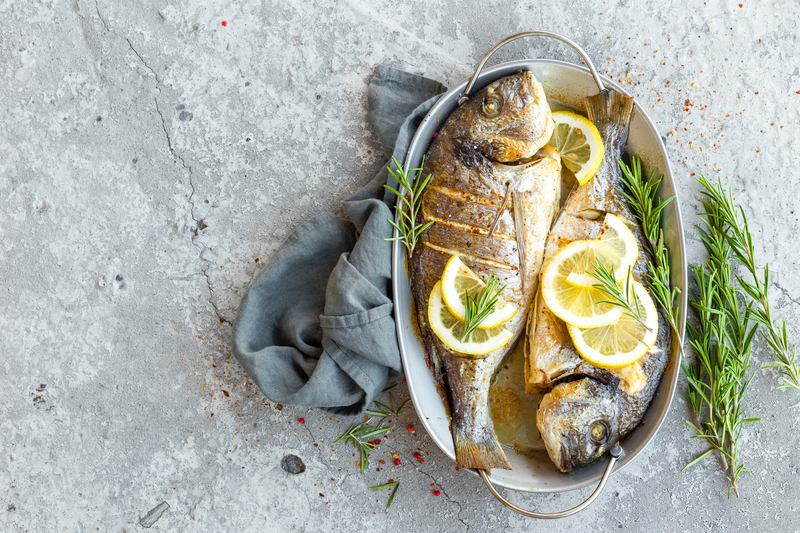


 Baking fish without drying it out comes down to three things: the right oven setup, a layer of fat to lock in moisture, and pulling the fish out at the right time. Get these steps right, and you’ll have tender, flaky fillets every time.
 Getting the timing right starts with measuring your fish and knowing the signs of doneness. Cooking time depends on thickness, but a food thermometer and a few visual cues will confirm when your fish is ready.
 Some fish handle oven heat better than others. Fat content, thickness, and skin all affect how well a fillet holds moisture while it bakes.
 A few simple methods can keep fish moist while it bakes. These include using fat and short marinades, sealing in steam with parchment or foil, and adding vegetables or liquid to the pan.
 Fresh and frozen fish need different prep steps, but both cook best on a baking sheet lined with parchment paper. Your cooking time and internal temperature checks will change based on the fish’s starting state and whether it’s breaded.
 Most fish problems come down to three things: too much heat, the wrong pan, or the wrong cooking method for the type of fish you have. Once you know what causes these issues, you can fix them fast.


