Do You Put Water in the Pan When Baking Chicken? What You Need to Know
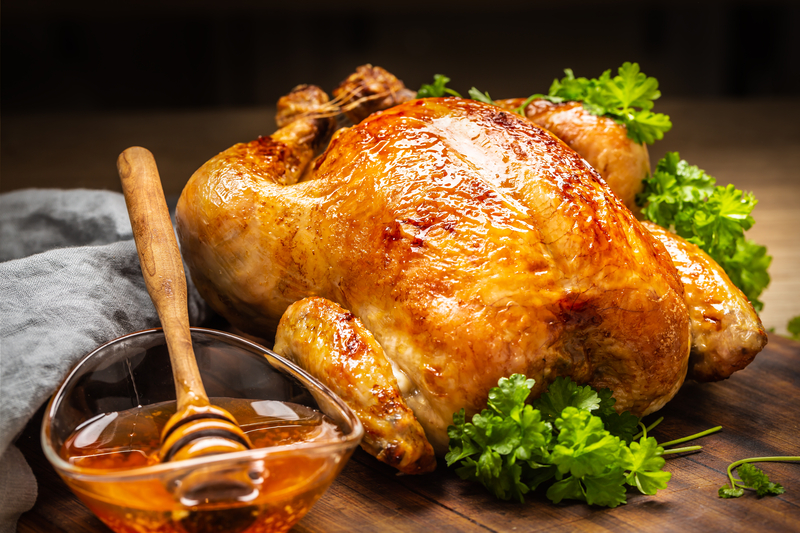
Many home cooks wonder if they should pour water into the pan before baking chicken.
The short answer is no, you don’t need water in the pan for baked chicken, but adding a small amount can help keep the meat from drying out during longer cook times.
Your choice depends on the texture you want.
If you want crispy skin, skip the water. Water creates steam in the oven, and steam softens skin instead of letting it crisp up.
Adding water when baking chicken works best for recipes that focus on tenderness over crunch, like shredded chicken or dishes covered with foil. Your goal for the final dish should guide this simple decision.
The Short Answer: When Water Helps and When It Hurts
Whether you add water to your pan depends on the texture you want. Water in the pan changes how heat moves around your chicken, and that affects both moisture and skin quality.
Use Water for Gentle Cooking and Cleaner Drippings
Adding water to the pan works well when moisture retention matters more than crisp skin. The water creates steam in the oven, which slows down cooking and keeps the chicken from drying out too fast.
This method suits boneless chicken breasts or dishes where you plan to shred or slice the meat later. It also helps with cleanup. Water in the pan catches drippings and fat, so they don’t burn onto the bottom of your dish.
Try this approach when you’re making:
Shredded chicken for tacos or salads
Chicken for meal prep that needs to stay tender
Dishes where sauce or gravy will cover the skin anyway
The water level should stay shallow, about a quarter inch, so it doesn’t touch the chicken directly.
Skip Water for Crisp Skin and Deep Browning
Skip the water when your main goal is crisp skin and rich color. Dry heat is what makes chicken skin crackle and turn golden brown. Water in the pan adds steam to the oven, and steam softens skin instead of crisping it.
If you want that classic roasted look, keep the pan dry. Pat the chicken skin with a paper towel before cooking to remove extra moisture. This step matters more than most people think.
A dry roasting environment also helps fat render out of the skin properly. That fat then helps create browning on the surface, giving you deeper flavor and better texture. For whole roasted chicken or bone-in pieces with skin, dry heat almost always gives you the better result.
How Water Changes the Cooking Environment
Adding water to your baking pan changes how heat moves around your chicken. It affects moisture levels, cooking speed, and how evenly your chicken cooks from edge to center.
Steam, Surface Moisture, and Texture
When you add water to a hot pan, it creates steam. This steam surrounds your chicken as it bakes.
Steam adds moisture to the air inside your oven. This can help keep your chicken from drying out, especially with lean cuts like chicken breast.
But steam also affects the skin. If you want crispy skin, water in the pan works against you. The steam keeps the surface of your chicken damp instead of dry. Dry skin is what turns crispy in the oven. Wet skin stays soft, even at high heat.
So you face a trade-off. You can have moisture retention through steam, or you can have crispy skin. It’s hard to get both at the same time.
Why Excess Liquid Can Dilute Pan Juices
Pan juices form as your chicken cooks. Fat and flavorful drippings collect at the bottom of the pan. These juices are useful for making gravy or sauce.
When you add water, it mixes with these drippings. This waters down the flavor.
Here’s what happens to your pan drippings with and without added water:
Without Water
With Water
Concentrated, rich flavor
Diluted, weaker flavor
Thicker consistency
Thinner, more watery texture
Good base for gravy
Needs reducing before use
If you plan to use the drippings for a sauce, skip the water. You’ll get a stronger, more flavorful result. If your main goal is easy cleanup, a small amount of water can still work. Just know it will change the taste of anything made from those drippings.
The Effect on Even Cooking
Water in the pan can affect how evenly your chicken cooks. Steam moves heat differently than dry air does.
In a dry oven, heat comes mostly from the air and the pan surface. This creates consistent browning across the chicken. When you add water, part of the cooking process shifts to steam heat. Steam cooks gently and evenly, but it slows down browning.
This means your chicken may take slightly longer to reach the right internal temperature. It may also cook more evenly throughout, since steam surrounds the meat instead of just hitting one side.
For thick cuts, this can be helpful. Steam can prevent the outside from overcooking before the inside is done. For thinner cuts, dry heat may cook faster and give you more even color without added liquid.
How Much Liquid to Use and Where to Put It
The right amount of liquid depends on the size and cut of chicken you’re cooking. Placement matters just as much as quantity, since the goal is usually steam, not a chicken that sits in a puddle.
Recommended Amounts for Breasts, Pieces, and Whole Chicken
The amount of liquid you need changes based on what you’re baking.
Chicken Type
Liquid Amount
Boneless breasts
1/4 to 1/2 cup
Bone-in pieces (thighs, legs)
1/2 to 3/4 cup
Whole chicken
1 to 2 cups
For breasts, a small amount is enough to create steam without soaking the meat. Bone-in pieces can handle a bit more liquid since they take longer to cook and benefit from extra moisture in the oven.
A whole chicken needs the most liquid, but you’re not filling the pan. You’re adding just enough to cover the bottom by about half an inch. This keeps drippings from burning while still letting the skin get dry heat from above.
Keep Chicken Above the Liquid When Possible
Adding water to the pan works best when the chicken isn’t sitting directly in it. If the meat touches the liquid, the bottom will steam instead of roast, and you’ll lose the texture most people want.
A roasting rack solves this problem. It lifts the chicken so air can move underneath while the liquid stays below, catching drippings and creating steam around the pan.
If you don’t have a rack, you can use a few thick vegetable slices, like carrots or onions, as a base. This keeps the chicken elevated and adds flavor to the pan at the same time.
Whole chickens benefit the most from this setup. Bone-in pieces can also use a rack, but smaller cuts like boneless breasts often cook fine directly on the pan since they need less time in the oven.
Choosing Water, Broth, or Wine
Water in the pan works fine, but it doesn’t add flavor on its own. It’s a simple option when you want steam without changing the taste of the chicken.
Broth is a common upgrade. Chicken or vegetable broth adds a subtle savory flavor to the pan drippings, which is useful if you plan to make a sauce or gravy afterward.
Wine is another option, especially with dishes that call for a pan sauce. A dry white wine pairs well with chicken and adds acidity that balances richer flavors. Use it in small amounts, about 1/4 cup mixed with broth or water, since wine alone can taste sharp once reduced.
A few slices of lemon added to the liquid can brighten the flavor without much effort. The juice and zest release slowly as the chicken bakes, adding a light citrus note to the drippings.
Reliable Methods for Juicy Chicken Without Water
You can get juicy, tender chicken without adding water to the pan. The key is starting with dry chicken, giving each piece enough space in the oven, and letting the meat rest after baking.
Pat the Chicken Dry Before Seasoning
Before you season your chicken, grab some paper towels and pat it dry.
Removing extra moisture from the surface helps the chicken brown instead of steam. Wet chicken skin will not crisp up in the oven, no matter how high you set the heat.
Dry skin also helps seasoning and oil stick better. This means more flavor in every bite.
Take a few extra seconds here. It makes a real difference in texture once the chicken is baking.
Use Proper Pan Spacing and Oven Heat
Even cooking depends on how you arrange chicken in the pan.
If pieces touch or overlap, they trap steam between them. This can leave you with soggy spots instead of crispy, even browning.
Give each piece of chicken some breathing room. A good rule is at least one inch of space between pieces.
Your oven temperature matters too. Baking chicken at 400°F to 425°F helps the outside cook quickly while keeping the inside moist.
Oven Temp
Result
350°F
Slower cook, less browning
400–425°F
Balanced browning and moisture
450°F+
Fast browning, higher risk of drying out
Rest Chicken Before Slicing
Once your chicken comes out of the oven, do not cut into it right away.
Let it rest for 5 to 10 minutes on a cutting board or plate. This gives the juices time to settle back into the meat instead of spilling out onto the cutting board.
Cutting too soon is one of the main reasons chicken turns out dry. Resting solves this without needing any water in the pan.
The result is tender chicken that stays moist from the first bite to the last.
Temperature and Doneness: The Best Defense Against Dry Chicken
Water in the pan will not save dry chicken. The real fix is cooking your chicken to the right temperature and stopping as soon as it gets there.
Using a Meat Thermometer Correctly
A meat thermometer is the only reliable way to know if your chicken is done. Guessing by color or cook time often leads to dry meat or undercooked meat.
Insert the thermometer into the thickest part of the chicken. For a whole chicken, this is usually the inner thigh. Make sure the tip does not touch bone, since bone gives a false reading.
Check the temperature a few minutes before your recipe says the chicken should be done. This helps you catch it at the right moment instead of after it has already overcooked.
All chicken needs to reach an internal temperature of 165°F (74°C) to be safe to eat. This applies to breasts, thighs, wings, and whole baked chicken.
Some cuts can go slightly above 165°F without drying out too much, since dark meat has more fat.
Here is a quick guide:
Cut
Safe Temperature
Notes
Chicken breast
165°F (74°C)
Dries out quickly past this point
Chicken thighs
165°F–175°F (74°C–79°C)
Stays juicy at higher temps
Whole chicken
165°F (74°C) in thigh
Check thickest part
Ground chicken
165°F (74°C)
Always cook fully
Always measure with a thermometer instead of relying on cook time alone. Oven temperatures and chicken sizes vary, so timing is not a reliable guide.
Avoiding Overcooking After the Chicken Reaches Temperature
Chicken keeps cooking even after you take it out of the oven. This is called carryover cooking, and it can raise the internal temperature by several more degrees.
Pull your chicken out when it is a few degrees below your target. For most cuts, removing it at 160°F (71°C) is enough, since the temperature will rise to 165°F (74°C) while it rests.
Let the chicken rest for five to ten minutes before cutting into it. This allows the juices to settle back into the meat instead of running out onto the cutting board.
Cutting too early releases moisture and makes the chicken seem drier than it actually is. Resting is a simple step that protects all your earlier cooking work.
Pan Setup and Practical Baking Tips
The right pan and rack setup affects how evenly your chicken cooks and how crispy the skin gets. Small choices, like whether you add broth or wine to the drippings, can also improve flavor without making the meat soggy.
Selecting a Pan or Rack for Better Airflow
A roasting pan with a rack lets air move under and around the chicken. This helps the skin cook evenly on all sides, not just the top.
Without a rack, the bottom of the chicken sits in its own juices and fat. This can make the skin soggy in that spot, even if the top gets crispy.
If you don’t have a roasting rack, you can use a few options instead:
Wire cooling rack: Place it inside a baking sheet with sides.
Vegetable base: Layer carrots, celery, or onions under the chicken.
Foil balls: Crumple foil into small balls to lift the chicken slightly.
Choose a pan that fits your chicken with a little room around the edges. A pan that’s too large can cause drippings to spread thin and burn.
The Cuisinart 16-Inch Roasting Pan with Rack is a durable stainless steel roaster with plenty of space for a whole chicken, turkey, or large roast. The sturdy rack elevates the chicken while allowing heat to circulate and excess fat to drain away, helping promote more even roasting.
Its large capacity and durable construction make it ideal for roasting chicken for family meals, while the dishwasher-safe design makes cleanup easier.
Managing Drippings and Preventing Burning
Chicken drippings can burn if they sit directly on a hot pan for too long. This happens more often with high oven temperatures or long cook times.
Adding a small amount of liquid to the pan helps prevent this. About 1/2 cup of water, broth, or wine at the bottom of the pan can keep drippings from scorching.
This is different from putting water directly on the chicken. The liquid stays in the pan, not on the meat, so it won’t stop the skin from crisping.
If you’re roasting vegetables alongside the chicken, this liquid also helps keep them from drying out. Check the pan partway through cooking, and add more liquid if it evaporates too quickly.
Using Pan Juices for a Simple Sauce
The liquid left in the pan after baking has a lot of flavor. It’s a mix of chicken fat, juices, and anything else you added, like broth or wine.
You can turn this into a quick sauce with a few simple steps:
Pour the pan drippings into a small saucepan.
Skim off excess fat from the top, if desired.
Add a splash of broth or wine to thin it out.
Heat over medium heat until warm.
Squeeze in a bit of lemon juice for brightness.
This sauce works well poured over the sliced chicken or mixed with mashed potatoes. It takes only a few minutes and uses ingredients you already have from the roasting process.
FAQ: Do You Put Water in the Pan When Baking Chicken?
Adding water to the pan when baking chicken is optional and depends on the cooking method and the result you want. Water can create moisture in the oven, but it is not necessary for properly baking most chicken recipes.
Do You Put Water in the Pan When Baking Chicken?
Usually, no. Chicken can be baked without adding water to the pan. If you want to create a more moist cooking environment, a small amount of water, stock, or another liquid can be added around the chicken.
Does Adding Water Make Baked Chicken More Moist?
It can help create steam and reduce moisture loss, particularly when chicken is covered. However, adding water does not automatically make chicken juicy; avoiding overcooking is more important.
How Much Water Should You Put in the Pan?
If a recipe calls for water, a small amount—often ½ to 1 cup—is sufficient. The chicken should not normally be submerged in the liquid unless you are using a specific braising or stewing method.
Should You Put Water in the Pan When Baking Chicken Breast?
Not necessarily. Chicken breasts are lean and can dry out when overcooked, so using a marinade, sauce, or small amount of cooking liquid can help, but water alone is not required.
Can You Bake Chicken With Water and Foil?
Yes. Adding a little liquid and covering the chicken with foil creates a moist environment that can help prevent the meat from drying out. Remove the foil toward the end if you want the surface to brown.
Does Water Make Chicken Cook Faster?
Not necessarily. Water primarily changes the moisture and heat environment around the chicken. Cooking time depends more on the chicken’s size, thickness, starting temperature, and oven temperature.
Should You Add Water When Baking a Whole Chicken?
You generally do not need to. A whole chicken releases its own juices and fat as it cooks. Vegetables, stock, wine, or other aromatics can be added to the roasting pan for additional flavor.
Why Put Water in the Bottom of a Roasting Pan?
Water can help prevent drippings from scorching and create steam during cooking. It can also make the pan easier to clean, although it may reduce the amount of browning from the drippings.
What Temperature Should Chicken Reach When Baked?
Chicken should reach a minimum internal temperature of 165°F (74°C) in the thickest part to ensure it is safely cooked. Use a food thermometer rather than relying solely on cooking time.
What Is the Best Way to Keep Baked Chicken Moist?
The most important step is not overcooking the chicken. Using appropriate cooking temperatures, allowing the meat to rest after cooking, and adding a sauce or marinade can also help maintain moisture.

 Many home cooks wonder if they should pour water into the pan before baking chicken.
 Whether you add water to your pan depends on the texture you want. Water in the pan changes how heat moves around your chicken, and that affects both moisture and skin quality.
 Adding water to your baking pan changes how heat moves around your chicken. It affects moisture levels, cooking speed, and how evenly your chicken cooks from edge to center.
 The right amount of liquid depends on the size and cut of chicken you’re cooking. Placement matters just as much as quantity, since the goal is usually steam, not a chicken that sits in a puddle.
 You can get juicy, tender chicken without adding water to the pan. The key is starting with dry chicken, giving each piece enough space in the oven, and letting the meat rest after baking.
 Water in the pan will not save dry chicken. The real fix is cooking your chicken to the right temperature and stopping as soon as it gets there.
 The right pan and rack setup affects how evenly your chicken cooks and how crispy the skin gets. Small choices, like whether you add broth or wine to the drippings, can also improve flavor without making the meat soggy.


