What Is The Best Fish for Baking? A Guide to Delicious Options
Choosing fish for baking can feel confusing when so many fish varieties fill the seafood counter. Some fillets turn out moist and tender, while others dry out or fall apart in the oven.
The best fish for baking are salmon, cod, and haddock, since they hold moisture, keep their shape, and cook evenly under steady oven heat.
Baked fish only turns out well when the fish itself has the right traits. Fat content, thickness, and firmness all affect how fish handles time in the oven. This matters for consumers who want a simple, repeatable meal without guessing at cook times or checking the fish every few minutes.
This guide breaks down which fish work best for baking and why. You will also learn how to spot quality at the store, so your next baked fish comes out right every time.
The Best Choices at a Glance
Some fish handle oven heat better than others, and knowing the differences can help you pick the right option for your recipe. Fat content, thickness, and flavor all play a role in how a fish bakes.
Best Overall: Salmon
Salmon is a top pick because it’s hard to mess up. Its natural fat keeps the flesh moist, even if you leave it in the oven a few minutes too long.
You can season it simply with salt, pepper, and lemon, or add bolder flavors like garlic and dill. Either way, it holds up well.
The texture stays firm but flaky, and it works for almost any occasion. If you’re new to baking fish, salmon is the easiest way to get good results without much guesswork.
Best Mild White Fish: Cod
Cod is a flaky white fish with a mild flavor that takes on seasonings and marinades easily. Because it doesn’t have a strong taste of its own, it works well with a wide range of recipes.
This makes it a good choice if you want to experiment with different sauces or spice blends. It’s also a solid pick if you’re cooking for someone who doesn’t love a “fishy” taste.
Cod fillets are usually thin, so keep an eye on cook time. Overbaking can dry it out quickly, so check for doneness a few minutes early.
Best Firm Premium Option: Halibut
Halibut is a firm fish with a dense texture that holds together well in the oven. It’s a step up in price from cod or tilapia, but many people find the texture worth it.
Because it’s leaner than salmon, halibut can dry out if it’s overcooked. A quick bake at a high temperature, or a light coating of oil or butter, helps keep it moist.
Halibut works well in recipes where you want the fish to stay in large, solid pieces rather than flaking apart completely.
Best Budget-Friendly Choices: Haddock, Pollock, and Tilapia
Haddock, pollock, and tilapia are all budget-friendly options that bake well without a big price tag.
Haddock is a flaky white fish similar to cod, with a slightly sweeter taste.
Pollock is mild and firm, often used in simple weeknight meals.
Tilapia is very mild-flavored and cooks quickly, making it a good choice for beginners.
All three types of fish for baking work well with basic seasonings like lemon, butter, and herbs. They’re widely available at most grocery stores, which makes them easy to pick up for a quick dinner.
How Texture, Fat, and Thickness Affect Baking
Three things decide how well your fish holds up in the oven: how much fat it has, how firm its texture is, and how thick the fillet is cut. Once you understand these factors, you can predict how a fish will behave before you even turn on the oven.
Why Fatty Fish Are More Forgiving
Fatty fish, also called oily fish, have natural fat running through the flesh. This fat content helps the fish stay moist even if you leave it in the oven a few minutes too long.
Salmon, arctic char, and trout fall into this group. As they bake, the fat inside keeps the fillet from drying out.
This is why these fish work well for beginners. You get more room for error, and the fish flavor stays rich instead of turning bland or chalky.
If you’re new to baking fish, starting with a fatty option is the easiest way to get a good result on your first try.
When Lean Fish Works Best
Lean fish, like cod, haddock, and pollock, have very little natural fat. This means they depend on outside help for moisture retention.
Wrapping lean fish in foil or parchment traps steam around the fillet. Adding butter, oil, or a sauce also protects the flesh as it cooks.
Skin-on fillets can help too. The skin acts as a barrier that slows moisture loss from one side of the fish.
Lean fish still bakes well, but it needs more attention than fatty fish. Check it a few minutes before the recipe says it’s done, since lean fillets can dry out fast once they pass the right temperature.
Choosing Evenly Cut Fillets
Thickness affects how evenly fish fillets cook. A thick, even fillet lets heat move slowly toward the center, so the outside doesn’t overcook before the middle is done.
Thin or uneven pieces cook unevenly. The thin end may turn dry and tough while the thick end is still undercooked.
When shopping, look for fillets with consistent thickness from end to end. Avoid pieces that taper sharply or have ragged, torn edges.
Fillet Type
Baking Result
Thick, even center-cut
Cooks evenly, easier to time
Thin, tapered fillet
Overcooks quickly at thin end
Torn or uneven edges
Cooks unevenly, harder to predict
Choosing a well-cut fillet is one of the simplest ways to improve your baking results, no matter which fish you pick.
Fish Varieties for Every Flavor and Recipe Style
Different fish suit different recipes based on fat content, texture, and size. Once you know which fish fit which cooking style, you can match your recipe to the right fillet or whole fish before you even reach the oven.
Rich Fish for Simple Herb and Citrus Preparations
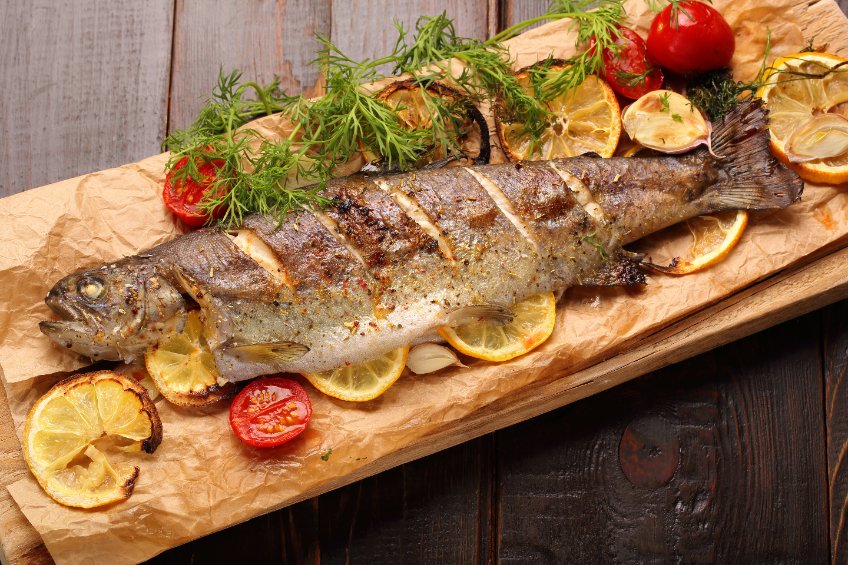
Fatty fish need little help because their natural oils carry flavor on their own. Trout, rainbow trout, and arctic char all bake well with just lemon, garlic, and a few herbs like dill or thyme.
These fish stay moist even when you keep the seasoning simple. You don’t need heavy sauces or long marinades to get good results.
A basic approach works best:
Brush with olive oil or butter
Add lemon slices and fresh herbs
Bake until the flesh flakes easily
This method lets the fish’s natural richness stand out instead of hiding it under strong flavors.
Mild White Fish for Sauces and Breadcrumb Toppings
Mild, lean fish like sole, flounder, and grouper work well when paired with sauces or a crumb topping. On their own, these fish have very little fat, so they can dry out fast in the oven.
A layer of breadcrumbs mixed with butter or oil helps protect the surface while adding texture. Tomato sauce also works well, since it keeps the fish moist while adding acidity and flavor.
Snapper and red snapper fit this group too, especially in baked dishes with tomatoes, capers, or olives. Because these fish have a mild taste, they pick up whatever flavors you build around them.
Firm Fish for High-Heat Roasting and Marinades
Firm fish hold their shape under high-heat roasting, which makes them a good match for bold marinades. Swordfish, tuna, and mahi-mahi all have dense flesh that resists falling apart, even at higher oven temperatures.
These fish also take well to soy sauce, citrus, or spice-based marinades since their texture holds up during longer marinating times. A hot oven, around 425°F to 450°F, gives the outside a light sear while keeping the inside tender.
Sea bass also performs well here, especially in thicker cuts. Because these fish are naturally lean to moderate in fat, a short marinade adds moisture along with flavor.
Whole Fish Options for Oven Baking
Baking a whole fish gives you more flavor since the bones and skin help hold in moisture during cooking. Mackerel and sardines work well whole because their oil content keeps them from drying out, even with simple seasoning.
Red snapper and sea bass are also common whole-fish choices, often stuffed with herbs, garlic, or citrus slices before baking. Scoring the skin lets heat reach the inside faster and helps seasoning soak in.
Whole fish typically need a slightly longer bake time than fillets. Checking the thickest part near the spine is the best way to confirm it’s fully cooked.
Buying, Thawing, and Preparing Fish
Good baked fish starts before it ever reaches the oven. Picking a quality piece of fish, thawing it the right way, and prepping it properly all affect how it cooks and tastes.
How to Choose Fresh or Frozen Fish
Fresh fish should smell clean, like the ocean, not “fishy.” A strong odor is a sign the fish is past its prime.
Look at the flesh, too. Fresh fish fillets should look firm and moist, with no brown or gray spots. Whole fish should have clear, bright eyes and skin that looks shiny, not dull.
Frozen fish is a solid choice, and often a better one. Most fish sold in stores is frozen or was frozen at some point, since it’s usually caught far from where it’s sold. Freezing right after the catch locks in freshness and nutrients.
When buying frozen fish fillets, check for a tight, sealed package with no ice crystals or freezer burn. Keep the fish frozen until you’re ready to cook it.
Sustainable Seafood and Label Checks
Fish is a source of high-quality protein, but not all fish is caught or farmed in ways that protect ocean health. Checking labels helps you make a better choice.
Look for the Marine Stewardship Council (MSC) blue fish label. This label means the fish was caught using methods that don’t harm fish populations or damage ocean habitats long-term.
Other things to check on the label:
Wild-caught vs. farm-raised – both can be good options, depending on the species
Country of origin – helps you understand where and how the fish was raised or caught
Best-by or catch date – gives you a sense of freshness
Choosing certified or well-labeled seafood supports better fishing practices without changing how you cook or bake the fish.
Prepping Fillets Before They Go in the Oven
If your fish is frozen, thaw it in the refrigerator overnight, or place it in a sealed bag under cold running water for a quicker option. Don’t thaw fish at room temperature, since this lets bacteria grow.
Once thawed, pat the fillets dry with a paper towel. Removing extra moisture helps the fish brown better and keeps it from turning soggy in the oven.
Check for pin bones by running your fingers along the flesh, and pull out any you find with tweezers.
For baking, line a baking sheet or baking dish with foil or parchment paper for easy cleanup. Rub the fish lightly with olive oil or a bit of butter to help it stay moist and to keep the seasoning in place.
If you’re baking a delicate fillet, like sole or tilapia, use a covered baking dish. The cover traps steam, which keeps thin fillets from drying out during cooking.
Oven Methods That Keep Fish Moist
The way you bake fish matters as much as the fish you choose. Uncovered baking, foil, and parchment each trap or release heat and steam differently, and that changes how moist your fish turns out.
Uncovered Baking for Crisp Edges
If you want crisp edges or a lightly browned top, bake your fish uncovered. This method works best for firm fish like cod, halibut, or salmon.
Set your oven to 400°F. This temperature cooks the fish quickly without drying it out, as long as you don’t leave it in too long.
Brush the fish with oil or butter before baking. This helps seal in moisture since there’s no cover to trap steam.
Uncovered baking gives you more control over texture. You can watch the surface change color and adjust your timing based on how the fish looks.
Foil Packets and Covered Dishes
Foil traps steam around the fish as it cooks. This steam keeps the fish moist and helps it cook evenly, even if you step away for a few minutes.
Wrap the fish loosely in foil with a splash of liquid, like broth or lemon juice, along with your seasonings. Fold the edges tightly so steam stays inside the packet.
This method works well for leaner fish like tilapia or flounder, which dry out fast without help. Foil packets also make cleanup easier since the fish and its juices stay contained.
Covered baking dishes work the same way. A lid or a layer of foil over the dish holds in moisture the same way a wrapped packet does.
Parchment Packets With En Papillote
En papillote is a French cooking method that means baking food inside a folded parchment paper packet. The paper puffs up as it heats, trapping steam around the fish.
This method suits fish paired with acidic ingredients like lemon juice, wine, or vinegar. Parchment paper doesn’t react with acids the way foil can, so your fish won’t pick up any metallic taste.
To use this method, place the fish and your seasonings in the center of a parchment sheet. Fold the paper over the fish and crimp the edges tightly to seal in steam.
Bake at 400°F until the packet puffs up and the fish turns opaque. This usually takes 12 to 15 minutes depending on the fillet’s thickness.
Timing, Temperature, and Doneness
No matter which method you use, checking for doneness the right way makes the biggest difference in moisture retention. Fish is safe to eat once it reaches an internal temperature of 145°F, or 63°C.
Use a food thermometer to check this accurately. A digital thermometer gives a fast, precise reading, while a standard meat thermometer also works if you insert it into the thickest part of the fish.
Keep in mind that fish keeps cooking a little after you take it out of the oven. This is called carryover cooking, and it can raise the internal temperature by a few degrees.
To avoid overcooking, pull your fish out when it’s about 3 to 5 degrees below 145°F. Let it rest for a couple of minutes before checking again with your thermometer.
Seasonings, Sauces, and Side Dishes
The right seasoning turns a plain piece of fish into a full meal. Your choice of herbs, sauces, and sides can shift the dish from a light weeknight dinner to something bold and spicy.
Classic Lemon, Garlic, and Herb Pairings
Lemon and garlic are the most reliable flavors for baked fish. Lemon juice adds acidity that balances the richness of fish like salmon, while garlic brings depth without overpowering the taste.
Fresh herbs work well with mild, flaky fish. Try these combinations based on the fish you’re baking:
Dill and parsley – great with salmon or trout
Thyme and rosemary – pairs well with heartier fish like halibut
Oregano and basil – works with Mediterranean-style cod or snapper
Sage – adds an earthy note to richer fish
Paprika – gives color and a mild smoky flavor to white fish
A simple lemon butter sauce made with melted butter, lemon juice, and garlic can be drizzled over the fish after baking. This adds moisture and ties the flavors together without extra prep time.
Bold Soy, Ginger, Chili, and Lime Flavors
If you want more punch, skip the lemon and herbs and go with an Asian-inspired flavor base instead. Soy sauce adds a salty, savory taste that works well with firmer fish like tuna or swordfish.
Combine soy sauce with fresh ginger and a small amount of chili for heat. This mix creates a marinade that soaks into the fish before baking, giving it more flavor throughout instead of just on the surface.
Lime juice brightens this flavor profile the same way lemon does in classic recipes. Add chopped cilantro on top after baking for a fresh, herbal finish.
This combination works best with fish that can hold up to bold flavors, such as mahi-mahi or salmon. Thinner, delicate fish like sole may get overwhelmed by strong marinades.
Easy Sides for a Complete Baked Fish Dinner
Simple sides let the fish stay the main focus of the meal. Vegetables and grains are the easiest options because they can often bake in the oven at the same time as your fish.
Roasted vegetables are a common choice. Try:
Side Dish
Why It Works
Asparagus
Cooks quickly, roasts alongside fish
Rice pilaf
Absorbs sauce and adds texture
Quinoa
Adds protein and a nutty flavor
Mashed potatoes
Pairs well with lemon butter sauce
Green salad
Adds a fresh, light contrast
For a low-effort dinner, roast asparagus on the same baking sheet as your fish. This saves time and lets both dishes finish cooking together.
If you prefer a heartier meal, serve baked fish over rice pilaf or quinoa. Both grains soak up extra sauce and add texture without competing with the fish’s flavor.
Nutrition and Food-Safety Considerations
Baked fish gives you lean protein, healthy fats, and several key vitamins and minerals. To get the full benefit, you also need to cook it to a safe temperature.
Protein, Omega-3s, and Key Nutrients
Fish is a source of high-quality protein. This means it has all the amino acids your body needs to build and repair muscle.
Fatty fish like salmon and mackerel also give you omega-3 fatty acids. These fats support heart health and may help lower inflammation in your body.
Baked fish also provides:
Vitamin D – helps your body absorb calcium and supports immune function
Selenium – protects your cells from damage
Calcium (especially in canned fish with bones) – supports bone health
Choosing fish over fried or processed meats gives you lean protein without a lot of added fat. This makes baked fish a smart choice if you’re watching your calorie or fat intake.
Safe Internal Temperature and Serving Guidance
Fish needs to reach a safe internal temperature before you eat it. The U.S. Food and Drug Administration recommends cooking fish to 145°F (63°C).
At this temperature, the fish should look opaque and flake easily with a fork. This is a good visual check, but it’s not as reliable as checking with a tool.
The best way to check doneness is with a food thermometer. Insert it into the thickest part of the fillet, away from bones, and wait a few seconds for an accurate reading.
Avoid guessing based on cooking time alone. Oven temperatures and fillet thickness can vary, so a thermometer gives you a clear, accurate result every time.
FAQ: What Is the Best Fish for Baking?
Baking is a simple way to cook fish while preserving its natural flavor and moisture. The best fish for baking depends on whether you prefer a mild, flaky fillet or a richer, firmer texture.
What Is the Best Fish for Baking?
Salmon, cod, haddock, halibut, and sea bass are excellent choices for baking. Salmon is particularly popular because its higher fat content helps it remain moist during cooking.
Is Salmon Good for Baking?
Yes. Salmon is one of the best fish for baking because it has a rich flavor, firm texture, and naturally higher fat content. It can be baked with simple seasonings, herbs, lemon, or sauces.
Is Cod Good for Baking?
Yes. Cod has a mild flavor and flaky texture that works particularly well with baking. Because it is relatively lean, adding olive oil, butter, or a sauce can help prevent it from becoming dry.
What Is the Best White Fish for Baking?
Cod, haddock, and halibut are among the best white fish for baking. They have firm flesh that can hold together well in the oven while remaining tender when properly cooked.
Is Haddock Good for Baking?
Yes. Haddock has a mild, slightly sweet flavor and delicate flakes. It works well with simple seasonings and can be baked with breadcrumbs, herbs, butter, or lemon.
Is Halibut Good for Baking?
Yes. Halibut has firm, meaty flesh that holds its shape well during baking. Its mild flavor also pairs easily with herbs, citrus, butter, and sauces.
What Fish Is Best for Baking Without Drying Out?
Salmon is particularly forgiving because its higher fat content helps retain moisture. Leaner fish such as cod can also be baked successfully when the cooking time is carefully controlled.
What Temperature Is Best for Baking Fish?
Many fish fillets can be baked at around 375°F (190°C), although the ideal temperature varies according to the type and thickness of the fish and the recipe.
How Long Does Fish Take to Bake?
Most fish fillets take approximately 10–20 minutes to bake, depending on their thickness and the oven temperature. Thicker pieces generally require more cooking time.
How Do You Know When Baked Fish Is Done?
Fish should be opaque and separate easily with a fork. For food safety, the FDA recommends cooking fish to an internal temperature of 145°F (63°C).
Is It Better to Bake Fish Covered or Uncovered?
Both methods work. Uncovered fish develops more surface browning, while covering fish helps retain moisture and produces a softer texture.


 Some fish handle oven heat better than others, and knowing the differences can help you pick the right option for your recipe. Fat content, thickness, and flavor all play a role in how a fish bakes.
 Three things decide how well your fish holds up in the oven: how much fat it has, how firm its texture is, and how thick the fillet is cut. Once you understand these factors, you can predict how a fish will behave before you even turn on the oven.
 Different fish suit different recipes based on fat content, texture, and size. Once you know which fish fit which cooking style, you can match your recipe to the right fillet or whole fish before you even reach the oven.
 Good baked fish starts before it ever reaches the oven. Picking a quality piece of fish, thawing it the right way, and prepping it properly all affect how it cooks and tastes.
 The way you bake fish matters as much as the fish you choose. Uncovered baking, foil, and parchment each trap or release heat and steam differently, and that changes how moist your fish turns out.
 The right seasoning turns a plain piece of fish into a full meal. Your choice of herbs, sauces, and sides can shift the dish from a light weeknight dinner to something bold and spicy.
 Baked fish gives you lean protein, healthy fats, and several key vitamins and minerals. To get the full benefit, you also need to cook it to a safe temperature.
 Baking is a simple way to cook fish while preserving its natural flavor and moisture. The best fish for baking depends on whether you prefer a mild, flaky fillet or a richer, firmer texture.


