At What Temperature is Baked Salmon Done? A Guide to Perfect Cooking Times and Techniques
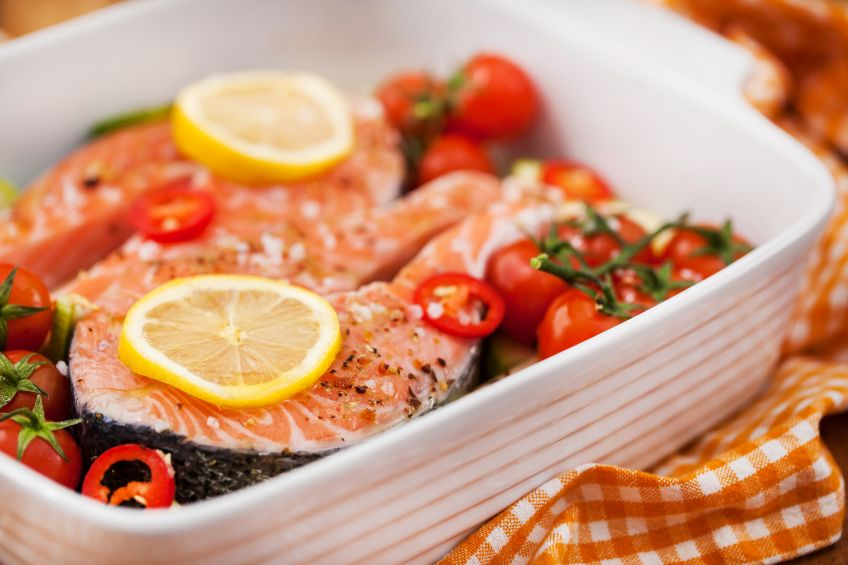
Baked salmon is done when it reaches an internal temperature of 145°F, according to USDA guidelines, though many home cooks and chefs prefer pulling it at 125°F to 135°F for a moister, more tender result.
The right number depends on whether you want fully cooked, flaky fish or a softer, medium-rare texture with a slightly translucent center.
Salmon doneness isn’t just about food safety. It’s also about texture and flavor, since even a few extra degrees can turn a tender fillet dry and tough. Understanding how temperature affects moisture will help you decide when to pull your salmon from the oven.
This guide breaks down the exact temperatures to target for baked salmon, how they differ for wild versus farmed fish, and the simplest ways to check doneness without guessing.
Safe Internal Temperature and Doneness Targets
Salmon safety and texture both come down to internal temperature. The USDA sets a clear safety threshold, but your personal texture preference determines whether you stop there or pull the fish slightly earlier and let carryover cooking finish the job.
USDA Food-Safety Standard: 145°F (63°C)
The USDA recommends cooking salmon to an internal temperature of 145°F (63°C) at the thickest part of the fillet. This temperature eliminates the risk of harmful bacteria, including salmonella and listeria, which can be present in raw or undercooked fish.
You should check this with a calibrated instant-read thermometer, not by color or flake alone. Insert the probe into the center of the thickest section, holding it there for about 10 seconds to get an accurate reading. At 145°F, salmon will be opaque throughout and flake easily with a fork.
This is the only temperature the USDA considers fully safe for all eaters, including pregnant women, young children, and anyone with a compromised immune system.
Texture Preferences Below the Fully Cooked Target
Many home cooks and chefs pull salmon at a lower temperature for a softer, more moist result. A common target is 125°F to 135°F (52°C to 57°C), which produces a tender, slightly translucent center.
Here’s a quick breakdown of common ranges:
125°F–130°F: Medium-rare, silky texture with a warm, ruby-colored center
130°F–140°F: Medium, firmer but still moist
145°F: Fully cooked, opaque, flakes completely
Cooking below 145°F carries some food-safety risk, since it doesn’t guarantee the destruction of all bacteria. This choice is a personal one, and it depends on the quality and freshness of the fish, as well as your own risk tolerance.
How Carryover Cooking Changes the Final Reading
Salmon continues cooking after you remove it from the oven or pan, a process known as carryover cooking. The internal temperature can rise another 5°F to 10°F during the resting period, depending on the thickness of the fillet and the cooking method used.
Because of this, you should pull salmon from the heat before it reaches your target temperature. For example, if you want a final reading of 145°F, remove the fish at around 135°F to 140°F and let it rest for a few minutes.
Skipping this step often results in overcooked salmon, even if the oven reading looked correct at the moment of removal.
How to Check Salmon With a Thermometer
A food thermometer removes the guesswork from cooking salmon, letting you confirm doneness by internal temperature rather than by timing alone. The type of thermometer you use, where you place it, and what you look for on the fish itself all affect how accurate your reading is.
Choosing an Instant-Read or Probe Thermometer
An instant-read thermometer gives you a reading in about 2 to 10 seconds, making it a practical choice for checking salmon toward the end of cooking. A digital thermometer with a thin probe tip works best, since it creates a smaller puncture and disturbs the flesh less than a bulkier meat thermometer.
A probe thermometer offers a different advantage: it stays in the fish throughout baking, connected to a base unit or app that tracks the temperature in real time. This works well for thicker salmon fillets or whole sides, where you want to monitor the rise in temperature without opening the oven repeatedly.
Either option is more reliable than judging by cook time alone. Oven calibration, fillet thickness, and starting temperature all vary, so a thermometer reading is the most consistent way to confirm the fish has reached a safe or preferred internal temperature.
Where to Insert the Thermometer in a Fillet
Insert the thermometer into the thickest part of the salmon fillet, since this is the last area to finish cooking. For a standard fillet, this usually means the center, away from the thin tail end.
Push the probe in from the side rather than the top when possible. This lets you reach the middle of the fish without piercing all the way through, and it keeps the reading focused on the thickest section rather than a surface area that heats faster.
Hold the thermometer in place for about 10 seconds if using an instant-read model, since the reading can take a moment to stabilize. For fillets under an inch thick, insert the probe at a slight angle to get an accurate depth reading without hitting the pan underneath.
Visual Signs to Use Alongside Temperature
Temperature readings work best when paired with visual cues, since these confirm what the thermometer tells you. Fully cooked salmon turns from translucent to opaque, and the flesh separates into flakes with light pressure from a fork.
Watch for albumin, the white, coagulated protein that rises to the surface as salmon cooks. A small amount is normal and indicates the fish is nearing doneness, but large amounts often mean the salmon has been cooked at too high a temperature or for too long.
Color also shifts as salmon cooks through:
Raw or rare: deep red-orange, translucent, glossy surface
Medium-rare: lighter orange-pink, slightly opaque at the edges
Fully cooked: pale pink throughout, opaque, flakes cleanly
Use these signs to double-check your thermometer reading, particularly if you’re testing a fillet for the first time or working without a probe thermometer.
Best Oven Temperatures and Baking Times
Salmon bakes well across a range of oven temperatures, but the right choice depends on how much time you have and whether you want crisp skin or a softer texture. Thickness matters just as much as oven temperature, since a thin fillet and a thick fillet at the same setting will not finish at the same time.
When to Bake at 375°F (190°C)
375°F (190°C) is a reliable middle-ground temperature for baking salmon. It cooks the fish gently enough to avoid drying out the edges while still finishing in a reasonable amount of time.
At this temperature, most 6-ounce fillets take 12-15 minutes, depending on thickness. This range gives you a wider margin for error than higher temperatures, since the fish heats more slowly and gradually.
Choose 375°F when you want consistent, even results without much risk of overcooking. It works well for seasoned or marinated salmon, since the moderate heat helps prevent sugars or glazes from burning before the fish is done.
When 400°F Works Best
400°F is a good choice when you want slightly faster cooking without sacrificing moisture. It shortens the baking time compared to 375°F, usually by two to four minutes for the same cut of fish.
This temperature also promotes better browning on the surface. If you’re baking salmon with skin on, 400°F helps render some of the fat and crisp the skin slightly, though it won’t get as crisp as pan-searing.
Use 400°F for weeknight meals when time matters, or when baking multiple fillets at once. Always preheat the oven fully before placing the salmon inside; starting in a cold or partially heated oven leads to uneven cooking and an inaccurate baking time.
Timing by Salmon Thickness
Salmon thickness is the biggest factor in how long a fillet needs to bake, more so than the exact oven temperature.
Thickness
Approximate Bake Time (375-400°F)
½ inch
8-10 minutes
1 inch
12-15 minutes
1 ½ inches
16-18 minutes
These times are starting points, not guarantees. Fillet shape, whether the fish is skin-on, and starting temperature (refrigerated versus room temperature) all shift the actual time needed.
Check thickness at the fillet’s densest point, not the thin tail end, since that section determines when the fish is fully cooked. A thermometer inserted there gives the most accurate reading, regardless of which oven temperature you use.
Prepare Salmon for Moist, Even Cooking
How your salmon is prepared before it goes into the oven affects how evenly it cooks and how much moisture it retains. Thawing method, seasoning choice, and whether you use a glaze all change how closely you need to watch the temperature.
Skin-On Fillets, Fresh Fish, and Frozen Salmon
Skin-on salmon holds together better during cooking and helps protect the flesh from drying out on one side. Leave the skin on if you plan to bake at higher temperatures or want a crisp bottom layer.
Fresh salmon should be cooked as close to purchase as possible. Wild salmon, including king salmon, is leaner than farmed salmon, so it cooks faster and dries out more easily if left in the oven too long.
Frozen salmon should be thawed in the refrigerator overnight rather than at room temperature. If you’re short on time, you can bake it from frozen, but add several extra minutes and check the internal temperature more frequently, since frozen fillets cook unevenly compared to fresh ones.
Type
Cooking Note
Wild-caught salmon
Leaner, cooks faster, easy to overcook
Farmed salmon
Higher fat content, more forgiving
Frozen salmon
Thaw fully for even cooking
Simple Lemon, Garlic, and Herb Seasoning
A basic seasoning of olive oil, lemon juice, garlic, and black pepper works well because it doesn’t mask the salmon’s natural flavor and doesn’t require extra monitoring during baking. Rub the fillet with olive oil first, then add minced garlic and a squeeze of lemon juice directly on top.
Fresh herbs like dill and parsley are common choices, and both hold up well to oven heat without burning. Add lemon slices on top of the fillet for extra moisture as it bakes.
This type of seasoning doesn’t change your target internal temperature. Because there’s no sugar or high-heat glaze involved, you can bake at your usual temperature without worrying about burning the surface before the center finishes cooking.
Glazes and Marinades That Need Extra Attention
Glazes made with honey or maple syrup behave differently in the oven than a simple oil-and-herb rub. Sugar-based glazes caramelize quickly and can burn before the salmon reaches a safe internal temperature, especially at higher oven settings.
If you’re using a honey or maple glaze, apply it partway through cooking rather than at the start. This gives the glaze time to set without scorching.
Marinades with a high acid content, such as those built around lemon juice, can start to break down the surface texture of the fish if left on too long before cooking. Limit marinating time to 15–30 minutes for best results.
Watch glazed salmon closely near the end of cooking, since sugar content increases the risk of the exterior darkening before the interior is done.
Avoid Dry Salmon and Excess Albumin
Dry salmon and white albumin both come from the same root cause: too much heat for too long. Understanding why this happens gives you the control to fix it.
Why Salmon Dries Out in the Oven
Salmon dries out when its proteins lose moisture faster than you can serve it. As the fillet cooks, muscle fibers tighten and squeeze out liquid. The longer it stays in the oven past the ideal internal temperature, the more moisture escapes.
Oven temperature and salmon thickness both affect how quickly this happens. A thin fillet at 450°F can overcook in minutes, while a thick side of salmon has more buffer time.
Carryover cooking adds another layer to this. Salmon continues cooking after you remove it from the oven, with internal temperature rising 5 to 10 degrees during rest. Pulling the fish out at your target temperature, rather than waiting for it to hit that number in the oven, prevents overshooting into dry territory.
What the White Albumin Means
The white substance that seeps out of salmon during cooking is albumin, a protein naturally present in the fish. Heat forces it to the surface, where it coagulates into visible white streaks or blobs.
Albumin is not a sign of spoilage or poor quality. It’s harmless and safe to eat, though many people find the appearance unappetizing.
The amount of albumin correlates directly with cooking temperature and speed. High heat and overcooking push more albumin to the surface, while gentler, more controlled cooking produces less of it. Wild salmon tends to release less albumin than farmed salmon due to its lower fat content.
Practical Fixes for More Tender Results
A few adjustments reduce both dryness and albumin buildup:
Lower the oven temperature. Baking at 325°F to 375°F instead of 450°F gives you more control and reduces protein shock.
Use a thermometer. Pull salmon at 125°F to 135°F for a moist, medium result, accounting for carryover.
Choose thicker fillets when possible. Thicker cuts retain moisture better than thin, tapered pieces.
Pat the salmon dry and salt it briefly before cooking. A short 10-15 minute dry brine firms the surface proteins and can reduce albumin release.
Avoid overcrowding the pan. Space between fillets allows even heat distribution instead of steaming.
These changes work together, not in isolation, to keep the fillet moist from edge to center.
Serving and Storing Baked Salmon
Pair your baked salmon with simple side dishes that don’t compete for oven space, and handle leftovers with care to preserve both flavor and food safety.
Easy Side Dishes for a Complete Meal
Baked salmon pairs well with vegetables that roast at similar temperatures. Since most salmon recipes call for 375°F to 425°F, you can cook sides on the same sheet pan or in the oven at the same time.
Consider these options:
Roasted asparagus: Toss with olive oil and salt, then roast for 10-12 minutes.
Steamed broccoli: Ready in about 5 minutes on the stovetop while your salmon finishes baking.
Rice or quinoa: A neutral base that soaks up any pan juices or sauce.
Simple green salad: Adds crunch and freshness without extra cooking time.
If you’re short on time, roast your vegetables on the same pan as the salmon. Add them a few minutes before the fish so everything finishes together.
Using Leftover Salmon Safely
Baked salmon keeps in the refrigerator for 1 to 2 days when stored in an airtight container. Cool it to room temperature before refrigerating to limit bacterial growth.
Reheating salmon in the oven or microwave often dries it out, since the proteins that make it tender are sensitive to extra heat. Instead, use leftovers cold in a salmon salad, flake it into pasta, or fold it into scrambled eggs.
Check for signs of spoilage before eating: a sour smell, dull color, or slimy texture means it’s time to throw it out. Eating leftover salmon within this window also helps you get the most benefit from its omega-3 fatty acids, which can degrade over time once cooked.
FAQ: At What Temperature Is Baked Salmon Done?
Knowing the correct internal temperature helps ensure salmon is fully cooked without becoming unnecessarily dry. The ideal temperature depends on food-safety requirements, the thickness of the fillet, and the texture you prefer.
At What Temperature Is Baked Salmon Done?
For food safety, salmon should reach an internal temperature of 145°F (63°C), measured at the thickest part of the fillet. At this temperature, the flesh should be opaque and separate easily with a fork.
What Temperature Should Salmon Be Baked At?
Salmon is commonly baked at around 375°F (190°C), although recipes may use temperatures from approximately 350°F to 425°F (175°C to 220°C), depending on the thickness of the fillet and the desired result.
How Long Does Salmon Take to Bake at 375°F?
A typical salmon fillet may take approximately 12–20 minutes at 375°F (190°C). Thicker pieces generally require more time, while thin fillets can cook considerably faster.
How Do You Know When Salmon Is Done?
The flesh should be opaque and flake easily when gently pressed with a fork. For the most reliable indication, check the thickest part of the fillet with an instant-read thermometer.
Can You Eat Salmon at 125°F?
Some people prefer salmon cooked to a lower internal temperature because it produces a softer and more translucent texture. However, 145°F (63°C) is the FDA-recommended safe minimum internal temperature for fish.
Does Salmon Continue Cooking After Being Removed From the Oven?
Yes. Salmon can continue to cook slightly after it is removed from the oven because of residual heat. Checking the temperature toward the end of baking can help prevent the fish from becoming overcooked.
What Happens If You Overcook Salmon?
Overcooked salmon can become dry, firm, and less tender. Excessive heat causes more moisture to escape from the fish, which can negatively affect its texture.
Should You Cover Salmon When Baking?
Either method can work. Covering salmon can help retain moisture, while baking it uncovered allows the surface to brown more readily.
Should Salmon Rest After Baking?
Yes. Letting salmon rest for a few minutes after baking allows the heat and moisture to redistribute and gives the fish a chance to finish cooking gently.
What Is the Best Way to Check Salmon Temperature?
Insert an instant-read thermometer into the thickest part of the fillet, avoiding contact with the baking pan or any bones. This provides a more reliable measurement than judging doneness by appearance alone.

 Baked salmon is done when it reaches an internal temperature of 145°F, according to USDA guidelines, though many home cooks and chefs prefer pulling it at 125°F to 135°F for a moister, more tender result.
 Salmon safety and texture both come down to internal temperature. The USDA sets a clear safety threshold, but your personal texture preference determines whether you stop there or pull the fish slightly earlier and let carryover cooking finish the job.
 A food thermometer removes the guesswork from cooking salmon, letting you confirm doneness by internal temperature rather than by timing alone. The type of thermometer you use, where you place it, and what you look for on the fish itself all affect how accurate your reading is.
 Salmon bakes well across a range of oven temperatures, but the right choice depends on how much time you have and whether you want crisp skin or a softer texture. Thickness matters just as much as oven temperature, since a thin fillet and a thick fillet at the same setting will not finish at the same time.
 How your salmon is prepared before it goes into the oven affects how evenly it cooks and how much moisture it retains. Thawing method, seasoning choice, and whether you use a glaze all change how closely you need to watch the temperature.
 Dry salmon and white albumin both come from the same root cause: too much heat for too long. Understanding why this happens gives you the control to fix it.
 Pair your baked salmon with simple side dishes that don’t compete for oven space, and handle leftovers with care to preserve both flavor and food safety.


