Can You Bake Cheesecake in an Aluminum Foil Pan? A Guide to Perfect Results
Yes, you can bake a cheesecake in an aluminum foil pan. Although a springform pan is the traditional choice, a disposable foil pan can produce a rich, velvety cheesecake when prepared and handled correctly.
However, disposable foil is thinner and more flexible than standard metal bakeware. To prevent the pan from bending and make the finished cheesecake easier to remove, a few adjustments are important:
Provide structural support: Place the foil pan on a sturdy, rimmed baking sheet before filling it. This makes it easier to move and helps prevent the pan from flexing.
Use a parchment sling: Line the base with overlapping strips of parchment paper to help lift the chilled cheesecake out of the pan.
Monitor the baking temperature: Follow the recipe’s recommended temperature, but begin checking for doneness slightly earlier if the foil pan changes how quickly the cheesecake bakes.
With proper greasing, careful handling, and gradual cooling, an aluminum foil pan can produce an attractive, bakery-quality cheesecake—even without a springform pan.
The Short Answer and What to Expect
You can bake cheesecake in an aluminum foil pan with great results. The final texture depends on the foil gauge, heat transfer, and how you remove the cake after chilling.
When a Foil Pan Is a Good Choice
Disposable aluminum bakeware offers easy portability and zero cleanup. It is ideal for potlucks, holiday gifting, catering, or bake sales where pan return is inconvenient.
Foil pans are also cost-effective alternatives if you bake cheesecakes infrequently and do not want to purchase a specialty springform pan.
Limitations Compared With a Springform Pan
Springform pans feature an interlocking latch and removable base that release the cake without inversion. Disposable pans lack this mechanism, so you must cut away the foil or lift the cheesecake with a parchment sling.
Aluminum also conducts heat much faster than heavy gauge steel, ceramic, or glass. This rapid heat transfer cooks the outer edges quickly, so careful timer management is needed.
Feature
Disposable Foil Pan
Springform Pan
Release Method
Cut away foil or lift via parchment sling
Exterior latch releases side ring
Heat Conduction
Rapid; outer edges bake quickly
Gradual, moderate heat distribution
Structural Rigidity
Flexible; requires baking sheet support
Rigid, self-supporting metal
Cleanup & Cost
Inexpensive, recyclable, no washing
Higher initial cost, hand-wash only
Recognizing that you can bake a cheesecake in an aluminum pan simply means providing the rigid support that the pan itself lacks.
Best Cheesecake Styles for Disposable Pans
Dense custard batters, such as classic New York style cheesecake made with cream cheese and sour cream, hold their structure best in foil pans. No-bake cheesecakes and cheesecake bars are also excellent candidates.
If you bake a classic custard in a foil pan for cheesecake, always line it well with parchment paper. Fragile recipes, such as Japanese cotton or soufflé cheesecakes, are too delicate to unmold from foil without tearing.
Choosing a Suitable Foil Pan
Pan dimensions, wall profile, and metal thickness directly affect bake evenness and crust integrity.
Pan Size, Depth, and Batter Capacity
Most standard cheesecake recipes are calibrated for 8-inch or 9-inch round pans. Select a disposable pan with matching surface area and volume to prevent underfilling or spillover.
Wall depth is equally important. Choose a pan with straight sidewalls at least 2.5 to 3 inches deep to accommodate crust thickness and gentle custard puff during baking.
Always verify the pan’s liquid capacity against your batter volume to avoid guesswork before filling.
Heavy-Duty Versus Lightweight Disposable Pans
Standard lightweight pans flex easily under the heft of dense cream cheese batter. Heavy-duty aluminum pans provide greater structural integrity and resist warping when moved.
Feature
Lightweight Foil Pan
Heavy-Duty Foil Pan
Rigidity
Easily bends and twists
Retains shape under heavy batter
Best For
Shallow cheesecake bars, brownies
Deep, full-size baked cheesecakes
Sheet Pan Requirement
Essential
Essential
Regardless of pan gauge, always rest your disposable pan on a rigid baking sheet before filling. This stabilizes the base and ensures uniform bottom heat.
Round, Square, and Rectangular Foil Trays
Round foil pans preserve the classic sliced-wedge presentation. Square and rectangular disposable pans work well for uniform dessert bars that can be sliced and served directly from the pan.
Opt for pans with straight, perpendicular walls whenever possible. Tapered or widely flared pans create thin edges that overbake before the center sets.
Preparing the Pan for Clean Release
Because thin metal foil lacks a release ring, careful prep work ensures clean unmolding.
Greasing and Lining the Base
Plain aluminum foil is not naturally non-stick. Coat the interior thoroughly with non-stick baking spray or brush it with softened butter.
Pay close attention to bottom corners where crusts tend to anchor. Proper greasing ensures your cheesecake will release cleanly and bake evenly without sticking.
Making a Parchment Sling
A parchment paper sling is the most effective way to lift a baked cheesecake from a disposable pan. Cut two perpendicular strips of parchment paper sized to cover the bottom and extend 2 inches past the rim as handles.
Lightly grease the pan before placing the parchment strips so they adhere smoothly to the foil floor and sides.
Building and Prebaking the Crust
Combine graham cracker crumbs with melted butter and sugar, pressing the mixture firmly into an even 1/4-inch base. Compacting the crust prevents loose crumbs from floating into your custard.
Bake the crust for 8 to 10 minutes at 350°F (175°C). Blind baking helps the crust firm up and hold its shape, preventing butter pooling and sogginess.
Let the crust cool completely before pouring in the cheesecake batter. Pouring cold custard onto a warm crust can cause separation and uneven baking along the bottom layer.
Baking Techniques for an Even, Creamy Cheesecake
Modifying oven heat and ambient moisture protects delicate custard eggs from curdling in conductive metal pans.
Oven Temperature and Rack Position
Bake your cheesecake at 300°F to 325°F (150°C to 165°C) on the center oven rack. The middle position provides balanced airflow and even top-and-bottom heat distribution.
Aluminum pans conduct heat more efficiently than heavy ceramic or glass bakeware. Aluminum transfers heat quickly, while glass and ceramic generally heat more slowly, which can affect baking times and browning. King Arthur Baking explains the differences between glass, metal, and stoneware bakeware in its guide to baking pan materials.
Because foil transfers thermal energy rapidly, reduce the recipe temperature by 25°F or check doneness 10 minutes early. If asking can you make cheesecake in a foil pan without dry edges, gentle heat is the secret.
Using a Water Bath Without Leaks
The key correction is that a water bath does not cap the surrounding heat at 212°F (100°C) in every respect. The water itself is limited to its boiling point under normal conditions, but the oven environment, steam, and pan temperature are more nuanced. It is safer to describe the water bath as moderating heat and slowing the cooking process.
A water bath (bain-marie) surrounds the cheesecake pan with gentle, even heat, helping the filling cook gradually and reducing the risk of overbaking the edges. Because the water cannot exceed its boiling point under normal conditions, it helps moderate the temperature around the pan.
This gentler baking environment is especially useful for cheesecake, which is essentially a custard: excessive heat can cause egg proteins to coagulate too tightly, producing a grainy texture and increasing the risk of cracks. King Arthur Baking explains how water baths promote a slow, even bake and how overheating causes cheesecake proteins to form a stiff, inelastic structure.
While disposable pans have no bottom seam to leak, thin foil can harbor microscopic pinholes or tears from factory pressing.
Wrap the exterior with an extra layer of heavy-duty foil, applying proven silky dream water bath tips. Alternatively, set a roasting pan filled with boiling water on the lower oven rack to create steam without direct contact.
Recognizing When the Center Is Properly Set
Judge doneness by surface appearance and movement rather than inserting a knife. The outer 2 inches should look set and matte, while a 2- to 3-inch center circle retains a gentle, gelatin-like jiggle.
For this sentence, the citation needs to support two related points: cheesecake continues to firm up as it cools, and a slight wobble is a useful doneness indicator. It is worth distinguishing those from carryover cooking, which is a more commonly used term for foods that continue cooking after being removed from the oven.
Residual heat continues to cook the cheesecake after the oven is turned off, allowing the filling to finish setting as it cools. A slight wobble in the center is normal and does not necessarily indicate that the cheesecake is underbaked.
The edges should appear set, while the center should jiggle gently rather than move in a wave. King Arthur Baking explains that cheesecake continues to firm up as it cools and provides guidance on judging doneness by its appearance and internal temperature.
Note: This citation directly supports the residual-heat and wobble-test claims.
An instant-read probe thermometer inserted into the center should read 150°F to 155°F (65°C to 68°C). This metric helps answer whether can I bake cheesecake in an aluminum pan without curdling the custard center.
Cooling, Chilling, and Serving From a Foil Pan
Controlled cooling and proper refrigeration ensure a velvety texture and help prevent deep surface fissures.
Cooling Gradually to Reduce Cracks
Rapid cooling can cause thermal stress in a cheesecake, allowing the cake to contract too quickly and develop cracks. Cooling the cheesecake gradually in the turned-off oven helps control this contraction and reduces the risk of a cracked surface.
King Arthur Baking recommends cooling cheesecake slowly because sudden temperature changes can cause the cake to sink, contract, and crack.
Turn the oven off, prop the door ajar with a wooden spoon, and let the cheesecake rest inside for 60 minutes. Then move the pan to a wire rack at room temperature.
Once cooled to room temperature, cover it loosely and chill for at least 6 hours, or preferably overnight, so the fats and structure firm up completely.
Safe Ways to Remove or Cut Away the Pan
When presenting a cheesecake in a foil pan, use one of two straightforward removal techniques:
Cut the foil away: Run an offset spatula along the edges, snip vertically down the rim with kitchen shears, and peel the foil away from the chilled base.
Lift using the parchment sling: Firmly grasp the parchment paper handles and lift the cheesecake straight upward onto a flat serving platter.
Transporting and Storing the Finished Cheesecake
A sturdy cheesecake disposable pan protects the cake during transit and lets you slice it directly on the go. Garnish individual slices with berry compote or whipped cream just before serving.
Store leftover cheesecake at 40°F (4.4°C) or below and use it within 3–4 days for food safety. USDA FSIS recommends keeping refrigerated leftovers at 40°F (4.4°C) or below and using them within 3–4 days. USDA FSIS provides guidance on safe refrigerator temperatures and leftover storage times.
For longer storage, freeze wrapped individual portions or transfer the cheesecake to a freezer-safe container for up to two months.
Common Problems and Practical Fixes
Baking with foil pans introduces specific structural variables. Here is how to troubleshoot the most common baking issues.
Preventing a Soggy Crust
Soggy crusts happen when melted butter separates or steam condenses beneath the crust. Press the crust crumbs tightly and pre-bake the base to seal it against filling moisture.
When using a water bath with cheesecake foil trays, keep the water level below the halfway point to prevent splashing over the rim.
Managing Sticking, Bending, and Warping
Always support your cheesecake aluminum pan with a sturdy baking sheet. Lifting an unsupported foil pan flexes the metal, fracturing the crust and causing liquid custard to spill.
Pair grease with parchment liners along the floor and sides so slices release cleanly without sticking.
Adjusting Bake Time for Different Pan Shapes
Deep round foil pans concentrate batter depth, so they require standard bake times and careful center wobble checks. Conversely, shallow pans spread batter thinner, cutting bake times by 10 to 15 minutes.
Start checking your cheesecake for doneness 10 to 15 minutes before the recipe timer ends to ensure a creamy, perfectly set texture.
FAQ: Can You Bake Cheesecake in an Aluminum Foil Pan?
Yes, you can bake cheesecake in an aluminum foil pan, provided the pan is sturdy enough to support the weight of the batter. Aluminum conducts heat efficiently, so the cheesecake may bake and brown slightly differently than it would in a traditional springform pan.
Do You Need to Grease an Aluminum Foil Pan for Cheesecake?
Yes. Lightly grease the inside of the pan or line the base with parchment paper to help prevent the cheesecake crust from sticking. If the pan is disposable, placing it on a baking sheet can make it easier and safer to move.
Can You Use a Water Bath with an Aluminum Foil Pan?
Yes, but take care to prevent water from reaching the cheesecake. If the foil pan is thin or has seams, place it inside a larger roasting pan and check that it is watertight. Alternatively, place a pan of hot water on a lower oven rack to create moisture without submerging the cheesecake pan.
Does Cheesecake Bake Faster in an Aluminum Foil Pan?
It may bake slightly faster or more evenly because aluminum transfers heat efficiently. Begin checking the cheesecake toward the earlier end of the recipe’s suggested baking time, but rely on the appearance and texture rather than time alone.
How Do You Know When Cheesecake Baked in an Aluminum Pan Is Done?
The edges should look set, while the centre should still have a slight wobble when gently shaken. The cheesecake will continue to firm as it cools, so avoid baking it until the centre is completely rigid, as this can lead to cracks or a dry texture.
Can You Remove Cheesecake from an Aluminum Foil Pan?
It can be difficult to remove cheesecake cleanly from a disposable foil pan because the sides usually cannot be released like those of a springform pan. For easier serving, line the base with parchment paper or serve the cheesecake directly from the pan.
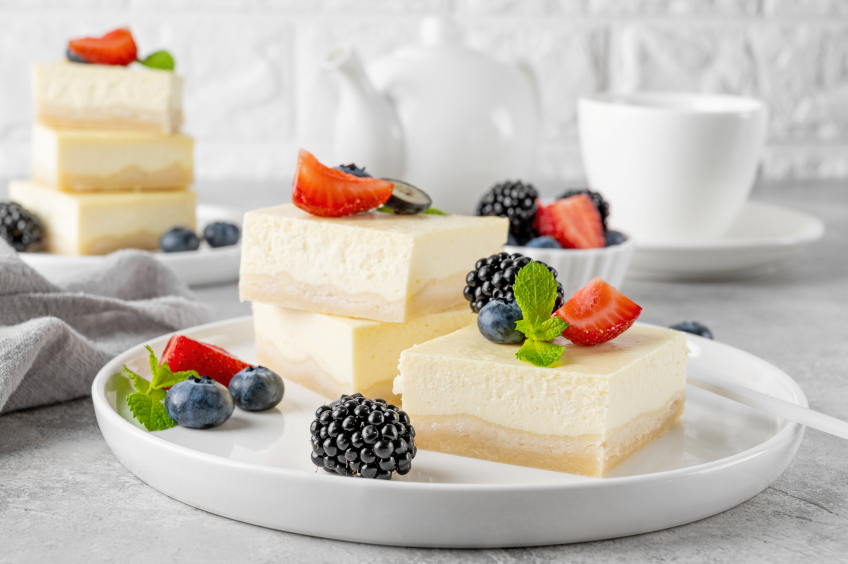

 Yes, you can bake a cheesecake in an aluminum foil pan. Although a springform pan is the traditional choice, a disposable foil pan can produce a rich, velvety cheesecake when prepared and handled correctly.
 You can bake cheesecake in an aluminum foil pan with great results. The final texture depends on the foil gauge, heat transfer, and how you remove the cake after chilling.
 Pan dimensions, wall profile, and metal thickness directly affect bake evenness and crust integrity.
 Because thin metal foil lacks a release ring, careful prep work ensures clean unmolding.
 Modifying oven heat and ambient moisture protects delicate custard eggs from curdling in conductive metal pans.
 Controlled cooling and proper refrigeration ensure a velvety texture and help prevent deep surface fissures.
 Baking with foil pans introduces specific structural variables. Here is how to troubleshoot the most common baking issues.
 Yes, you can bake cheesecake in an aluminum foil pan, provided the pan is sturdy enough to support the weight of the batter. Aluminum conducts heat efficiently, so the cheesecake may bake and brown slightly differently than it would in a traditional springform pan.


