

Choosing the right bakeware changes how well cakes rise, how evenly crusts brown, and how easily muffins release from the pan.
Ceramic and silicone each bring distinct strengths to the table, making the decision more about purpose than popularity.
Ceramic delivers steady heat and classic presentation, while silicone offers flexible convenience and non-stick reliance.
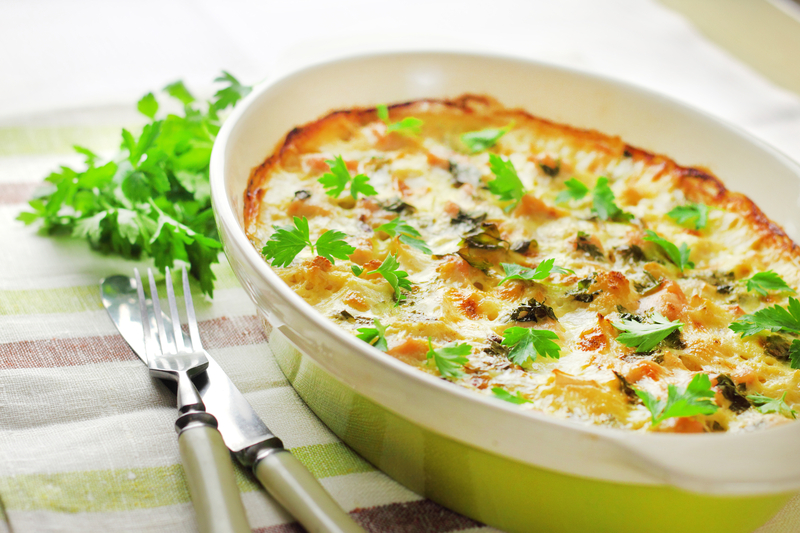
Those who value even baking and heat retention often turn to ceramic for casseroles or bread.
Those who prefer lighter tools that release cupcakes or brownies effortlessly often favor silicone.
The right choice depends on what’s being baked, how it’s baked, and how often it’s done.
Understanding how each material performs reveals more than just convenience—it shapes baking results and long-term kitchen habits.
The differences in heat conduction, maintenance, and durability show why many skilled bakers keep both materials within reach.
Ceramic vs Silicone: Key Differences

Ceramic and silicone bakeware differ in structure, heat behavior, and the types of baked goods they handle best.
Ceramic relies on solid heat retention and presentation value, while silicone offers flexibility, safety, and convenience for everyday baking.
Material Properties and Composition
Ceramic bakeware is made from clay and other natural minerals fired at high temperatures to create a dense, rigid structure.
Its solid surface distributes heat evenly, helping achieve uniform browning and firm textures in baked goods.
Once heated, ceramic retains temperature well, keeping food warm even after removal from the oven.
Silicone bakeware, by contrast, is a synthetic polymer made primarily from silica-derived materials.
It is flexible, soft to the touch, and retains shape after repeated bending.
Its non-porous surface resists sticking without added grease or flour.
Most silicone pans withstand temperatures up to about 450°F (232°C) and can move directly from the oven to the freezer without damage.
However, silicone insulates rather than conducts heat, often yielding softer crusts and slower browning.
| Property | Ceramic | Silicone |
|---|---|---|
| Heat Conductivity | High, even distribution | Moderate, slower transfer |
| Flexibility | Rigid | Highly flexible |
| Temperature Range | Up to ~500°F | Up to ~450°F |
| Surface Type | Hard, glazed | Non-stick, soft |
| Durability | Brittle if dropped | Shatterproof |
Typical Uses in Baking
Ceramic bakeware performs best in dishes that benefit from steady heat and visual appeal.
It suits casseroles, bread, pies, and baked pasta, where golden edges and extended warming are desirable.
Because ceramic pieces transition easily from oven to table, they often double as serving dishes.
Silicone bakeware excels in tasks that involve delicate or sticky items such as muffins, cupcakes, and molded desserts.
Its non-stick and bendable nature allows for easy release without greasing or scraping.
Home bakers appreciate silicone for quick turnaround recipes and minimal cleanup.
Yet, for crisp cookies or crusty bread, silicone’s gentle insulation may not deliver the same browning a ceramic or metal pan achieves.
Overview of Bakeware Types
Both materials appear in multiple shapes and product ranges.
Ceramic bakeware often comes as rectangular or round dishes, pie plates, and ramekins.
Many are available individually or in coordinated sets suited for oven-to-table presentation.
Glazed porcelain and stoneware varieties remain popular for their decorative finishes and resilience in high heat.
Silicone bakeware is available in diverse forms including loaf pans, cake molds, muffin trays, and novelty shapes.
Manufacturers sometimes combine silicone with metal frames to provide extra support during handling.
Silicone mats and liners also serve as reusable baking surfaces, reducing the need for parchment paper.
In comparing both, ceramic emphasizes stability, aesthetics, and consistent heat, while silicone prioritizes flexibility, convenience, and versatility across baking, freezing, and reheating tasks.
Baking Performance and Results

Ceramic and silicone bakeware behave differently in how they conduct and retain heat, which affects texture, browning, and baking time.
Understanding these differences helps bakers adjust temperatures and timing for consistent results.
Heat Conductivity and Distribution
Ceramic bakeware transfers heat slowly but distributes it evenly once heated.
Its even heat distribution ensures uniform cooking and helps prevent hot spots that might cause uneven baking.
Because ceramic retains heat well, it stabilizes the oven temperature during longer bakes, which benefits dense dishes like casseroles and loaves.
Silicone has low heat conductivity, meaning it takes longer to reach the desired temperature.
However, it cools quickly once removed from the oven, reducing overbaking.
Bakers may notice that silicone pans do not brown edges or bottoms as fast due to this slower heat transfer.
For recipes that rely on steady, consistent baking rather than surface crispness, this gentle heating can be an advantage.
| Property | Ceramic | Silicone |
|---|---|---|
| Heat Conductivity | Moderate to high | Low |
| Heat Retention | Strong | Weak |
| Distribution | Even | Less even |
Browning and Crispiness
Ceramic bakeware promotes efficient surface browning because of its strong heat retention.
It absorbs and radiates heat evenly, helping cakes, breads, and gratins form a golden crust.
Bakers seeking a firm exterior and moist interior often prefer ceramic for these reasons.
Silicone produces softer surfaces.
Its flexible, low-conductive material prevents direct, intense contact with heat, which limits browning.
Baked goods like muffins or cupcakes emerge with tender sides and bottoms rather than crisp edges.
To encourage more color, bakers can place silicone molds on a metal baking sheet to help boost heat transfer.
This adjustment balances convenience with improved texture when a firmer crust is desired.
Impact on Baking Time and Temperature
Ceramic’s ability to store heat may require shorter baking times once fully heated, but it also demands longer preheating.
Its retained warmth continues cooking food slightly after removal, so bakers should allow for carryover heat to avoid overbaking.
Silicone, in contrast, may extend overall baking times by a few minutes.
Because of its lower heat conduction, ovens sometimes need a temperature increase of 10–20°F (5–10°C) to match results achieved with metal or ceramic pans.
Monitoring oven temperature and checking doneness with a toothpick or thermometer reduces inconsistencies.
These minor adjustments ensure both materials perform reliably while preserving the intended texture and doneness of each bake.
Non-Stick Properties and Baking Ease

Both ceramic and silicone bakeware influence how food releases after baking, how much greasing is needed, and how well intricate shapes hold their form.
Differences in surface texture, heat conduction, and material flexibility directly affect baking performance and cleanup time.
Natural Release and Flexibility
Silicone pans and molds have a naturally non-stick surface that prevents most foods from clinging.
This property stems from the material’s smooth texture, which eliminates the need for chemical coatings often found on non-stick metal pans.
Bakers can usually remove cakes, muffins, and pastries easily by bending the flexible sides outward.
The pliability helps maintain the integrity of delicate bakes such as sponge cakes or molded desserts.
Ceramic bakeware, while smooth, relies more on heat distribution than surface release.
Baked foods often cling slightly, especially along edges, requiring a utensil to loosen them.
However, ceramic’s rigidity reduces the chance of accidental deformation when handling soft batters or custards.
In contrast, silicone’s flexibility, though convenient, may call for a steady hand when transferring filled molds to the oven.
Greasing Requirements
Because silicone pans are self-lubricating, minimal or no greasing is required.
This reduces the use of added butter or oil, which can slightly alter texture or flavor.
For foods with inherently high sugar or fat content, silicone’s non-stick capability remains effective even after multiple uses.
A light mist of cooking spray or a quick rinse can maintain long-term slickness.
Ceramic bakeware benefits from light greasing, especially for breads or lasagnas baked at high heat.
Unlike metal pans with synthetic non-stick coatings, ceramic surfaces depend on that extra layer of fat to ensure clean release.
While this adds a minor preparation step, ceramic’s heated surface still browns crusts evenly, an outcome silicone does not always achieve due to lower heat conduction.
Molded Shapes and Detail
Silicone molds excel in complex designs.
Their flexibility allows users to bend and peel away intricate patterns without breaking the baked goods.
This makes them suitable for shaped cakes, decorative pastries, and molded chocolates.
The smooth finish also ensures that fine details, such as ridges or lettering, emerge clearly after baking.
Ceramic dishes retain shape by being rigid and stable, but they cannot easily accommodate small or ornate molds.
Their advantage lies in uniform heat flow, which helps larger items bake consistently.
In comparison, silicone molds may require placing on a supporting tray to prevent sagging.
For precise presentation and transparency of design, silicone provides a practical edge, while ceramic ensures structure during baking.
Durability, Maintenance, and Safety

Ceramic and silicone baking materials differ in how they withstand wear, respond to cleaning methods, and maintain safe use under heat.
Their construction influences not only longevity but also how bakers handle and store them between uses.
Lifespan and Resistance to Damage
Ceramic bakeware offers high structural stability and resists temperature deformation.
It remains firm under repeated oven exposure and does not warp.
However, its rigidity makes it prone to chipping or breaking if dropped or struck against hard surfaces.
High-fired ceramics usually last for years when handled carefully, maintaining their luster and non-porous qualities.
Silicone bakeware, made from food-grade silicone, provides flexibility and impact resistance.
It will not crack or dent, even after frequent bending or twisting.
Though it resists physical damage, long-term exposure to high heat can gradually discolor or harden the material.
Silicone’s resilience against impact gives it an advantage in busy kitchens or for storage in tight spaces.
| Material | Strengths | Weaknesses |
|---|---|---|
| Ceramic | Hard, stable, heat-resistant | Brittle under impact |
| Silicone | Flexible, drop-resistant, durable shape | May yellow or stiffen over time |
Ease of Cleaning
Silicone’s nonstick surface allows quick food release, often making soap and warm water enough for cleaning.
Most food-grade silicone products are dishwasher safe, helping users reduce cleanup time.
However, oily residues can cling to silicone surfaces, and occasional baking soda cleaning may be necessary to remove buildup.
Ceramic bakeware typically requires gentle scrubbing to prevent surface scratches.
Glazed ceramics resist staining and odors, helping them look clean for longer periods.
Most ceramic pieces also handle the dishwasher well, but handwashing preserves decorative finishes and prevents microcracks from developing in older pieces.
Bakers who value low-maintenance cleanup tend to favor silicone, while those who prioritize surface brightness and long-term aesthetic quality may prefer ceramics.
Handling and Storage
Ceramic cookware must be stored with care to avoid edge collisions or stacking pressure that could lead to cracks.
Using cloth or silicone pads between stacked dishes helps extend the lifespan of each piece.
Because ceramics retain weight and rigidity, they are best suited to stationary storage on shelves.
Silicone bakeware bends easily and can be folded or stacked without damage.
Its flexibility makes it ideal for small kitchens where space efficiency matters.
It also cools quickly after baking, allowing faster cleanup and storage.
However, silicone surfaces can collect dust or lint, so keeping molds in sealed containers or bags maintains cleanliness.
Both materials benefit from cool, dry storage away from direct sunlight, which slows discoloration and material fatigue over time.
Special Considerations and Limitations

Material choice affects how bakeware performs when exposed to different ingredients, batter types, and oven conditions.
Each material behaves differently under pressure, heat, and ingredient reactions, which can change baking quality and safety.
Handling Acidic Ingredients
Acidic foods such as tomatoes, citrus fillings, and vinegar-based batters can interact with some bakeware coatings or glazes.
Ceramic bakeware, especially when unglazed or poorly glazed, can absorb acidic liquids over time.
This may cause subtle surface discoloration or weaken the glaze if used repeatedly under high acidity.
High-quality, lead-free ceramic with a durable glaze minimizes this risk.
In contrast, silicone bakeware remains chemically stable when exposed to acidic ingredients.
Food-grade silicone is non-reactive, so it will not leach or alter taste.
However, prolonged exposure to acidic or oily mixtures can cause mild staining or absorb residual odors if not cleaned promptly.
Baking with silicone molds works best for mild or neutral batters rather than heavily acidic mixtures.
Keeping both materials clean and dry after use helps extend their lifespan.
Suitability for Different Baked Goods
Different recipes perform best with different materials.
Ceramic bakeware excels in recipes that benefit from slow, consistent heating such as casseroles, bread, or custards.
Its ability to maintain heat ensures even browning and thorough cooking of dense batters.
Thin, delicate items like sponge cakes may dry out or bake unevenly in thicker ceramic pans unless oven temperature and timing are carefully managed.
Silicone bakeware offers greater flexibility for cakes and muffins, as its non-stick surface allows easy release without additional greasing.
This makes it ideal for cupcakes, loaf cakes, or molded desserts with fine details.
However, it does not conduct heat as effectively as metal or ceramic.
Bakers may notice paler crusts or longer baking times when using silicone molds.
Adjusting temperature or extending bake time usually compensates for these limitations.
Support and Stability in Baking
Both materials require proper handling to prevent damage or uneven results.
Ceramic dishes are rigid and stable, making them resistant to warping but more prone to cracking from sudden temperature changes.
It is best to avoid transferring a hot ceramic dish directly to a cold surface or refrigerator.
Using silicone bakeware demands extra care when moving filled molds.
Because silicone is flexible, it can bend under the weight of liquid or batter.
Many bakers place silicone molds on a metal sheet or tray before filling to provide additional support and prevent spills.
| Material | Main Concern | Recommended Handling |
|---|---|---|
| Ceramic | Thermal shock or cracking | Avoid extreme temperature changes |
| Silicone | Flexibility and bending | Use a supporting tray or pan underneath |
Maintaining proper support helps ensure even baking results and a safer kitchen workflow.
Alternatives and Supplementary Tools

Different bakeware materials and accessories influence how evenly heat distributes and how easily baked goods release.
Understanding how options like metal, glass, and parchment paper support or differ from ceramic and silicone helps bakers plan for consistent results and efficient cleanup.
Comparison with Metal, Glass, and Other Bakeware
Metal pans—especially aluminum and stainless steel—heat quickly and respond fast to temperature changes.
Bakers often prefer them for cookies, muffins, and items needing a crisp exterior.
Metal’s conductivity shortens baking time but can cause uneven browning if not monitored.
Glass bakeware heats more slowly and retains heat longer once hot.
It works well for pies, casseroles, and custards.
However, it can cause over-browning on edges if recipes are not adjusted.
Lowering the oven temperature by about 25°F helps prevent this.
| Material | Heat Conductivity | Weight | Ideal Uses |
|---|---|---|---|
| Metal | High | Light | Cookies, breads, quick bakes |
| Glass | Moderate | Heavy | Casseroles, pies, custards |
| Ceramic | Medium–Low | Heavy | Lasagnas, bread, serving dishes |
| Silicone | Low | Very light | Muffins, delicate cakes |
Some bakers combine materials—using metal for speed and ceramic for presentation—to balance performance and convenience.
Selecting the Right Bakeware – A Delicious Journey Begins
 When it comes to creating mouthwatering culinary delights in your kitchen, choosing the right bakeware is the first and vital step.
Among the diverse options available, silicone and traditional bakeware stand out as two excellent recommendations.
Let’s delve into the unique qualities and benefits of both, helping you set the stage for a delectable baking journey.
Sweejar Porcelain Bakeware Set

This ceramic rectangular baking dish, available in a stylish jade hue, is perfect for casseroles, lasagnas, cakes, and everyday dining.
With its generous 13 x 9.8-inch size, it’s a versatile addition to your kitchen, ready to dazzle at banquets and daily meals alike.
Hansanti Silicone Bakeware Baking Set

This versatile kit includes BPA-free round and square cake pans, a loaf pan, a muffin pan, and more.
From bread to pizza, cheesecake to cupcakes, and pies to desserts, this set has you covered.
Bake with confidence using this high-quality, multifunctional bakeware.
As you embark on your culinary adventures, the choice between silicone and traditional bakeware is a significant one.
Each option brings its own set of advantages to the table, catering to various baking needs and preferences.
Whether you opt for the flexibility of silicone or the time-tested reliability of traditional bakeware, your delectable creations will surely make your kitchen a place of joy and satisfaction.
Regardless of your choice, the most important factor is the love and passion you put into your baking endeavors, ensuring that every creation is made with care and attention to detail.
When to Use Baking Sheets or Parchment Paper

A baking sheet offers a flat, durable base for cookies, pastries, and sheet cakes.
It allows air circulation around the food, encouraging even browning.
Rimmed sheets safely contain drips or spreading batters.
Parchment paper provides a quick-release, non-stick surface that limits the need for greasing.
It simplifies cleanup and helps maintain the shape of soft doughs or sticky batters.
Many use it to line metal pans or cover glass and ceramic dishes for easy removal.
Parchment withstands most oven temperatures up to about 425°F.
For higher-heat baking, unlined metal or silicone mats perform better.
Using these accessories strategically reduces sticking and ensures a more predictable bake across various recipes.
