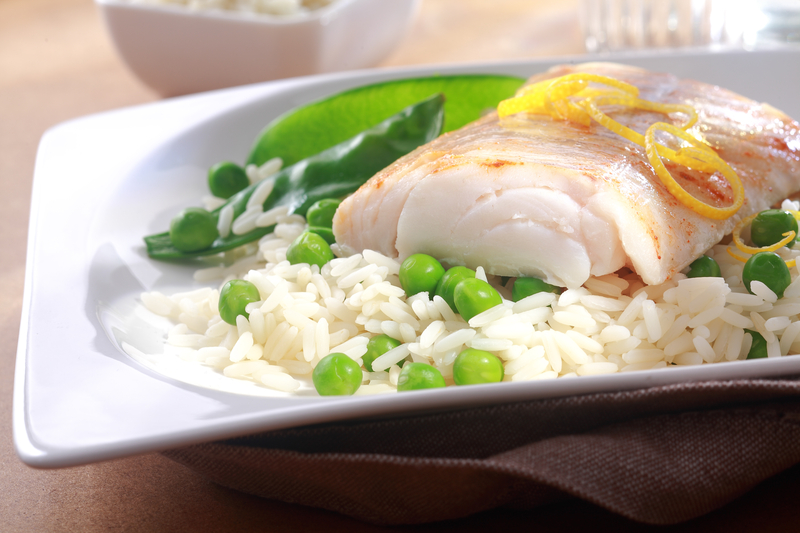


Baking fish often results in a dry, tough texture that turns people away from this healthy protein.
Fish lacks the fat content found in other meats, which makes it lose moisture quickly when exposed to high heat.
Many home cooks struggle with this problem because fish has a delicate structure that can go from perfectly cooked to overcooked in just a few minutes.
You can keep your baked fish moist by controlling temperature, adding fat or liquid, and monitoring cooking time carefully.
The key is understanding how moisture escapes during baking and using simple methods to prevent it.
This guide will show you practical ways to prepare and bake fish so it stays tender and flavorful every time.
Choose Fatty Fish Like Salmon or Trout for More Moisture
 Fatty fish naturally contain more oils in their flesh, which makes them harder to dry out during baking.
Salmon, trout, mackerel, and sardines are good options because their higher fat content acts as built-in protection against moisture loss.
When you bake lean fish like tilapia, cod, or flounder, you need to be more careful with timing and temperature.
These fish have less natural fat to keep them moist.
They can turn dry and tough if you cook them too long.
Salmon is one of the most popular choices for baking.
Its rich oil content helps it stay juicy even if you slightly overcook it.
Trout offers similar benefits with a milder flavor.
The fat in these fish also carries flavor and creates a better texture in the final dish.
You get more room for error compared to lean varieties.
If you prefer lean fish, you can still bake them successfully.
You just need to use extra techniques like marinades, sauces, or wrapping them in foil to add moisture.
Bake Fish At a Low Temperature Between 300-375°F

Baking fish at a low temperature is one of the most effective ways to keep it moist.
Set your oven between 300-375°F for the best results.
This temperature range allows the fish to cook gently and evenly.
When you use high heat above 400°F, the moisture cooks off too quickly.
Your fish will dry out and become tough.
Different types of fish work better at specific temperatures within this range.
Lean fish like cod and tilapia do well at 375°F.
Delicate fish like sole and flounder stay tender at 350°F.
The lower temperature gives you more control over the cooking process.
You can monitor the fish without worrying about it overcooking in seconds.
This method works especially well for thicker fillets that need more time to cook through.
Plan for a slightly longer cooking time than you would with higher heat.
Most fish will need about 10-15 minutes per inch of thickness at these temperatures.
Use a thermometer to check that the internal temperature reaches 145°F for safe eating.
Place Fish Skin-side Down to Help Retain Moisture

When baking fish with the skin on, place it skin-side down on your baking sheet.
The skin acts as a natural barrier between the heat and the delicate flesh.
This protects the fish from direct heat exposure.
The skin helps lock in the natural juices while the fish cooks.
Without this protective layer facing down, moisture escapes more quickly from the flesh.
You’ll end up with drier, less flavorful results.
This method works well for most types of fish, including salmon, trout, and bass.
The skin also helps distribute heat more evenly across the fillet.
If you’re working with skinless fillets, you’ll need different techniques to prevent drying.
Consider using parchment paper or a light coating of oil on the baking sheet.
You can also try wrapping the fish in parchment to trap moisture during cooking.
The skin-side down approach gives you tender, juicy fish with minimal effort.
Use Lemon Juice or Marinade to Add Moisture Before Baking
 Marinating your fish before baking helps lock in moisture and adds flavor.
A simple marinade typically includes lemon juice, olive oil, and herbs like thyme or basil.
The acid in lemon juice serves multiple purposes.
It helps tenderize the fish by gently breaking down proteins.
It also keeps the fish moist throughout the baking process.
You can create a basic marinade by mixing lemon juice, olive oil, garlic, salt, and pepper.
Place your fish in a resealable bag or shallow dish and pour the marinade over it.
Let the fish marinate for 15 to 30 minutes before baking.
This timing allows the flavors to penetrate without over-tenderizing the meat.
You can add other ingredients to your marinade based on your taste preferences.
Garlic, fresh herbs, and a touch of honey work well with most fish varieties.
Keep your marinade simple to let the natural flavor of the fish shine through.
Always refrigerate fish while it marinates.
Remove it from the refrigerator about 10 minutes before baking to bring it closer to room temperature for even cooking.
Baste Fish With Melted Butter or Olive Oil 2-3 Times While Baking

Basting adds moisture back to the fish surface as it cooks.
This simple step keeps the exterior from becoming too dry while the inside finishes cooking.
Use melted butter or olive oil in a small bowl.
Keep a basting brush nearby before you put the fish in the oven.
Open the oven and quickly brush the liquid over the fish every few minutes.
Two to three times during the total baking time works well for most fish.
The liquid creates a protective layer that locks in natural moisture.
You can also use the juices that collect in the baking dish.
These drippings contain flavor from the fish and any seasonings you added.
Mix them with your butter or oil for extra taste.
Time your basting carefully to avoid leaving the oven door open too long.
Quick applications keep the oven temperature steady.
The basting liquid also helps seasonings stick to the fish.
Your herbs and spices will form a more flavorful coating when brushed with fat.
Avoid Overcooking; Fish is Done at 145°F Internal Temperature
 Overcooking is the main reason fish turns dry and rubbery.
You need to monitor your fish carefully to prevent this common mistake.
The FDA recommends cooking fish to an internal temperature of 145°F.
At this temperature, harmful bacteria are destroyed and your fish stays safe to eat.
Use a food thermometer to check the thickest part of the fish.
When your fish reaches 145°F, remove it from the oven right away.
The fish will continue cooking from residual heat even after you take it out.
This means you should avoid leaving it in the oven for “just a few more minutes.”
A food thermometer takes the guesswork out of cooking fish.
You can check the temperature without cutting into the fish and losing moisture.
Insert the thermometer into the thickest part at an angle.
Some fatty fish like salmon can be eaten at slightly lower temperatures based on your preference.
However, 145°F remains the safest standard for most fish types.
Use a Foil or Parchment Tent to Trap Steam and Keep Fish Moist
 A foil or parchment tent is a simple way to lock in moisture while your fish bakes.
You create a tent by loosely covering the fish with foil or parchment paper.
This allows steam to circulate around the fish without escaping.
The trapped steam creates a moist cooking environment.
This prevents the surface of your fish from drying out during baking.
The method works especially well for delicate fish that can easily become tough or dry.
To make a tent, place a sheet of foil or parchment paper over your baking dish.
Leave some space between the paper and the fish so air can move around.
Don’t seal it tightly like a packet.
The loose cover lets steam build up while still allowing some heat circulation.
You can remove the tent during the last few minutes of baking if you want a lightly browned top.
This gives you moist fish with a slightly firmer surface texture.
Add Moisture by Baking Fish on a Bed of Sliced Vegetables
 Placing your fish on top of sliced vegetables creates a natural moisture barrier during baking.
The vegetables release water as they cook, which creates steam that keeps your fish from drying out.
Cut your vegetables into even pieces so they cook at the same rate.
Good options include bell peppers, zucchini, onions, and tomatoes.
Arrange them in a single layer at the bottom of your baking dish.
Place the fish directly on top of the vegetables.
The vegetables lift the fish slightly off the pan, allowing heat to circulate evenly.
This setup also adds flavor to your fish as it absorbs the taste from the vegetables below.
Drizzle olive oil over both the fish and vegetables before baking.
You can also add herbs and seasonings to enhance the taste.
Cover the dish with foil to trap even more moisture inside.
This method gives you a complete meal in one pan.
The vegetables soak up the fish juices while protecting it from direct heat exposure.
Preheat the Oven Fully Before Placing the Fish Inside
 Preheating your oven is a critical step you shouldn’t skip.
When you put fish into a cold or partially heated oven, it cooks unevenly and loses moisture as it slowly reaches the right temperature.
Set your oven to 400°F and wait until it reaches that temperature before adding your fish.
Most ovens take 10 to 15 minutes to preheat fully.
Your oven will signal when it’s ready, usually with a beep or indicator light.
While you wait, you can prepare your fish by seasoning it and lining your baking sheet with parchment paper.
This makes good use of your time and keeps the process efficient.
A fully preheated oven cooks your fish quickly at the right temperature.
This locks in moisture before it has a chance to escape.
The outside develops a nice finish while the inside stays tender and flaky.
If you’re using a lower temperature like 350°F, the same rule applies.
Always wait for your oven to reach the full temperature before you start baking.
Use Thicker Fillets to Reduce the Risk of Drying Out
 Thicker fish fillets give you more control when baking.
A fillet that’s at least one inch thick won’t cook through as quickly as a thin piece.
This extra time means you’re less likely to accidentally overcook it.
Thin fillets dry out fast because heat reaches the center in just minutes.
By the time the outside looks done, the inside may already be overcooked.
Thicker cuts like salmon, halibut, or swordfish handle oven heat better.
When you buy fish, ask for fillets that are uniform in thickness.
This helps them cook evenly from edge to edge.
If you can only find thin fillets, you can fold them in half to create more thickness.
Thicker fish also holds moisture better during cooking.
The extra mass protects the inside from direct heat while the outside browns.
Aim for fillets between one and one-and-a-half inches thick for best results.
These sizes work well at standard baking temperatures and give you room for error.
Understanding Moisture Loss in Fish
 Fish loses moisture during baking because heat causes water molecules to evaporate from the muscle tissue.
The lean protein structure of fish lacks protective fat, making it more vulnerable to drying out than other meats.
Why Fish Dries Out During Baking
When you bake fish, the oven’s dry heat creates an environment where moisture rapidly evaporates from the surface and interior of the fillet.
The temperature causes water molecules inside the fish muscle to turn into vapor and escape into the air.
Fish contains less fat than other proteins like beef or pork.
This lack of fat means there’s no protective barrier to slow down moisture loss during cooking.
The baking process also causes the proteins in fish to contract and tighten.
As these proteins squeeze together, they push out the water that was held between the muscle fibers.
This happens faster when you use temperatures above 400°F.
Your fish will dry out more quickly if it’s thin or has been previously frozen.
Frozen fish often has ice crystals that damage the cell structure, making it harder to retain moisture during cooking.
The Role of Protein Structure in Moisture Retention
Fish has a delicate protein structure with short muscle fibers arranged in segments.
These fibers are separated by thin sheets of connective tissue that break down easily under heat.
The proteins in fish start to change at around 120°F.
They tighten and squeeze out water as the temperature rises.
By the time fish reaches 145°F (the safe cooking temperature), the proteins have contracted significantly.
Unlike meats with denser protein networks, fish proteins coagulate quickly.
To avoid overcooking, invest in a meat thermometer and cook fish until it reaches an internal temperature of 145°F (63°C) in the thickest part.
This rapid change means you have a smaller window to cook fish properly before it becomes dry and tough.
The lean nature of most fish species means there’s minimal fat marbling within the muscle to keep it moist as proteins contract.
Best Practices for Prepping Fish for Baking
 The way you prepare fish before it goes in the oven affects how moist it stays.
Getting the right thickness and using marinades properly makes a big difference in the final result.
Selecting the Right Cut and Thickness
Fish pieces that are about 1 to 1.5 inches thick bake most evenly without drying out.
Thinner cuts cook too fast and lose moisture before the inside is done.
Thicker pieces take longer but stay juicy.
Look for cuts that have consistent thickness from end to end.
This helps the whole piece cook at the same rate.
If one end is much thinner than the other, that part will dry out while the thick part finishes cooking.
Fattier fish like salmon, trout, and arctic char work better for baking than lean fish.
The natural oils in these fish keep them moist during cooking.
If you choose leaner fish like cod or halibut, you need to add extra moisture through other methods.
Keep the skin on when possible.
The skin acts as a barrier that holds in moisture and protects the flesh from direct heat.
Effective Use of Marinades and Seasonings
Coat your fish with oil before baking.
Use olive oil, melted butter, or another cooking oil to create a protective layer on the surface.
This keeps moisture from escaping and prevents the outside from drying out.
Marinades with acidic ingredients like lemon juice or vinegar should only sit on the fish for 15 to 30 minutes.
Longer than that and the acid starts to break down the fish proteins too much.
Oil-based marinades can stay on longer without causing problems.
Salt your fish 15 minutes before baking.
This draws out a small amount of moisture that then gets reabsorbed, taking the salt flavor deep into the flesh.
Pat the surface dry before adding oil so it sticks better.
