What Is the Best Thickener for Apple Pie Filling? A Complete Guide to Achieving Perfect Consistency
Cornstarch is the best overall thickener for apple pie filling because it sets reliably, keeps the flavor clear, and creates clean slices.
Recommended Product: 365 by Whole Foods Market Cornstarch This cornstarch is a good choice for apple pie filling because it provides reliable thickening without adding much flavor. It helps create a smooth filling that holds together well when the pie is sliced.
Recommended Product: Kate Naturals Organic Tapioca Starch Tapioca starch is another excellent option for apple pie filling, especially if you prefer a slightly glossy, translucent finish. It thickens the natural juices released by the apples while helping maintain a softer fruit texture.
Flour can also be used, but it produces a more opaque and slightly heavier filling. The best thickener depends on how juicy your apples are and whether you prefer a firm, clean-cut filling or a softer, glossier texture.
The Best Overall Choice for Apple Pie
Instant ClearJel gives apple pie filling a clean slice, clear look, and steady texture. Cornstarch, tapioca, and flour can also work well when they better match your recipe or pantry.
Why Instant ClearJel Delivers the Most Reliable Results
Instant ClearJel is a modified food starch made to thicken fruit fillings quickly and hold its texture during baking. You may also see it written as instant clear jel, ClearJel, or sold as a pie filling enhancer.
It creates a smooth, glossy filling without the cloudy look that flour can leave behind. It also reduces the risk of a runny pie when apples release extra juice as they bake.
Use it by mixing the powder with your sugar and spices first, then tossing it with the apple slices. This step helps prevent lumps.
Many commercial bakeries use modified starch as a thickening agent because it gives consistent results. For a standard 9-inch apple pie, start with the amount listed on the product label, since brands can vary.
Important: Do not use Instant ClearJel for home-canned pie filling unless a tested canning recipe specifically calls for it. Regular cook-type ClearJel is the product used in approved canned pie filling recipes.
When Cornstarch, Tapioca, or Flour Is the Better Option
Choose cornstarchwhen you want a common, low-cost thickening agent with a clear finish. It thickens strongly, so use only the amount your recipe calls for; too much can make the filling feel slick or gummy.
Choose tapioca starch or quick-cooking tapioca if you want a clear, shiny filling with a slightly more gel-like set. Tapioca works especially well with juicy apples, but larger tapioca granules may remain visible if they do not fully soften.
Choose all-purpose flour for a traditional apple pie filling and a softer set. Flour makes the juices look less clear, but it is reliable for pies that bake longer.
Thickener
Best use
Filling appearance
Instant ClearJel
Clean slices and steady texture
Clear and glossy
Cornstarch
Fast, everyday option
Clear
Tapioca
Juicy fruit fillings
Clear and shiny
Flour
Classic, rustic pies
Slightly cloudy
How Popular Pie Thickeners Compare
For apple pie filling, cornstarch gives a smooth set, flour creates a classic opaque filling, and quick-cooking tapioca makes juices clear and stable. Your best choice depends on the texture and appearance you want.
Cornstarch for a Smooth Everyday Filling
Cornstarch is a refined starch that thickens apple juices quickly as the pie bakes. It gives you a smooth filling with no visible pieces of thickener, and it has little flavor of its own.
Use about 2 to 3 tablespoons of cornstarch for a standard 9-inch apple pie with 6 to 8 cups of sliced apples. Choose the higher amount when using very juicy apples or adding extra liquid, such as cider or lemon juice.
Mix cornstarch with the sugar and spices before tossing it with the apples. This step helps prevent white lumps. The filling must bubble in the oven long enough for the starch to fully thicken.
Cornstarch can turn slightly cloudy, especially in a pie with dark spices. It may also become somewhat soft or slick if you use too much, so measure carefully.
All-Purpose Flour for Traditional Apple Pies
All-purpose flour makes a more traditional apple pie filling. It creates a soft, thick sauce, but it does not make the juices as clear as starch-based pie thickeners.
Use about 1/4 cup of flour for a 9-inch pie with 6 to 8 cups of apples. Flour has less thickening power than cornstarch, so you need more of it to hold the filling together.
The flour blends well with sugar, cinnamon, and other dry ingredients. Toss that mixture with the apples, then bake the pie until the filling bubbles through the center.
Flour works well when you want a rustic pie with a slightly cloudy filling. It can leave a faint flour taste if the pie does not bake long enough, so avoid pulling the pie from the oven too early.
Quick-Cooking Tapioca for Clear, Stable Filling
Quick-cooking tapioca, also called instant tapioca, comes from cassava, a root also known as manioc. It thickens apple pie juices into a clear, glossy filling and holds up well after the pie cools.
Use about 2 to 3 tablespoons for a 9-inch apple pie. For the smoothest texture, grind the tapioca briefly in a spice grinder or food processor before mixing it with the filling.
Tapioca needs time to absorb liquid. Let the apple mixture rest for about 10 to 15 minutes before filling the crust, especially if you use larger tapioca granules.
This thickener works well for juicy apples and pies you plan to refrigerate or freeze. Whole granules can remain noticeable in the finished filling, which some people do not like.
Arrowroot Powder and Other Alternatives
Arrowroot powder makes a clear, glossy apple filling and has a neutral taste. Use about 2 tablespoons for a 9-inch pie, mixed well with the sugar before adding it to the apples.
Arrowroot can lose some thickening strength during long, high-heat baking. It works best in pies that bake until the filling bubbles but do not need an unusually long oven time.
Potato starch also thickens well and can replace cornstarch in a similar amount. It gives a smooth filling, but it may weaken if you bake it too long or reheat the pie many times.
Avoid using gelatin for a baked apple pie filling because it needs different handling and does not work well with a hot, bubbling fruit filling. Xanthan gum can thicken without heat, but you need only a very small amount; too much can make the filling gummy.
Choosing the Right Amount for Your Apples
You need a thickener amount that matches your apples’ natural pectin and moisture content. Apple varieties, ripeness, and whether you use fresh or frozen fruit all change how much juice your fruit filling releases.
How Natural Pectin and Moisture Content Affect Ratios
Apples contain natural fruit pectin, which helps the filling set as it cools. Firmer, slightly tart apples, such as Granny Smith and Braeburn, usually hold their shape well and need less help than very ripe, soft apples.
Riper apples have lower pectin and often release more juice. Sweet apple varieties, including Golden Delicious or McIntosh, can make a softer, wetter filling, especially when mixed with sugar.
Use the lower end of a thickener range for firm, crisp apples. Add more thickener when your sliced apples look very juicy, feel soft, or include several tender varieties.
Do not add extra thickenerjust because apples look dry at first. Sugar pulls moisture from fresh fruit while the pie rests and bakes.
Adjustments for Fresh, Frozen, and Farmers Market Fruit
Fresh fruit gives you the most control. Slice the apples, mix them with sugar, and let them stand for 15 to 30 minutes; if a large pool of juice forms, use the higher thickener amount.
Frozen apples release more moisture than fresh apples as they thaw and bake. For frozen pies, add about 1 extra tablespoon of cornstarch or 2 extra tablespoons of flour for a 9-inch pie. Bake the filling directly from frozen when possible, since thawing can create excess liquid.
Farmers market fruit may vary more than grocery-store apples because the apple varieties can be less familiar. Ask the grower whether the apples are best for baking, then combine a firm variety with a flavorful softer variety for a balanced pie.
Apple Pie Thickener Guidelines for a 9-Inch Pie
These amounts suit a standard 9-inch pie with 6 to 8 cups sliced apples. Choose one thickener rather than combining several types.
Thickener
For Firm, Less-Juicy Apples
For Soft or Juicy Apples
Result
Cornstarch
2 tablespoons
3 tablespoons
Clearer, smooth filling
All-purpose flour
3 tablespoons
4 to 5 tablespoons
Cloudier, classic filling
Instant tapioca
2 tablespoons
3 tablespoons
Clear, slightly glossy filling
Mix the thickener thoroughly with sugar and spices before tossing it with the apples. This step helps prevent clumps in the fruit filling.
Let the baked pie cool for at least 3 to 4 hours before slicing. The pectin and thickener need time to set, or even a properly thickened apple pie can seem runny.
Matching the Thickener to Apple Variety and Recipe Style
Apple moisture, added lemon juice, and the type of pie crust all affect how much thickener you need. Choose the starch based on how much juice the apples release and how much moisture can escape during baking.
Granny Smith, Honeycrisp, and McIntosh Apples
Granny Smith apples stay firm and hold their shape well. They are tart and usually produce a moderate amount of juice, so cornstarch, instant tapioca, or flour can all work in apple pies.
For about 6 cups of sliced Granny Smith apples, start with 2 tablespoons cornstarch or 2½ to 3 tablespoons instant tapioca. Cornstarch gives the filling a smoother, glossier look, while tapioca creates a clearer filling.
Honeycrisp apples are crisp but very juicy. Use slightly more thickener than you would for Granny Smith, especially if you slice the apples thinly or mix them with sugar well before baking.
McIntosh apples soften quickly and release a lot of liquid. Combine them with firmer apples when possible, and use instant tapioca or cornstarch to help the filling set. Tapioca often works well because it handles a wetter filling without making it cloudy.
Adjusting for Lemon Juice and Other Acidic Ingredients
Lemon juice adds flavor and helps keep sliced apples from browning. In most apple pie recipes, 1 to 2 tablespoons of lemon juice will not require a major thickener change.
Acidic ingredients can weaken cornstarch if the filling cooks for a long time. If you use extra lemon juice, apple cider, cranberry juice, or other acidic ingredients, instant tapioca can be a more reliable choice.
Use these simple adjustments:
Add ½ tablespoon more cornstarch if you add more than 2 tablespoons of lemon juice.
Choose instant tapioca for fillings with several acidic ingredients.
Avoid adding extra liquid unless the recipe calls for it.
Let the baked pie cool fully before slicing. The starch needs time to set, especially in juicy apple pies.
Double-Crust and Lattice Crust Considerations
A double-crust pie traps more steam than a lattice crust. Although vents release some moisture, the filling stays wetter during baking, so it may need a little more thickener.
Use the higher end of your thickener range for a double-crust apple pie. For example, use 3 tablespoons of instant tapioca instead of 2½ tablespoons when using juicy Honeycrisp apples.
A lattice crust allows more steam and moisture to escape. You can usually use slightly less thickener because the filling reduces more in the oven.
Keep the pie crust in mind when choosing texture. Cornstarch gives a neat, sliceable filling for a lattice crust, while tapioca can better support a wetter double-crust pie without leaving excess liquid near the bottom crust.
Baking Techniques That Help Filling Set
You help apple pie filling set by blending starch evenly, baking until the juices boil, and allowing enough cooling time. These steps matter whether you use cornstarch, tapioca starch, or flour.
Mixing Starch With Sugar to Avoid Lumps
Mix your chosen thickener with the sugar before adding it to the apples. This simple step separates the starch particles, so they dissolve more evenly in the fruit juices instead of forming dry clumps.
Use a whisk or fork to combine the ingredients well. Superfine sugar can work especially well because its smaller crystals distribute quickly through the starch. Then toss the sugar mixture with sliced apples, spices, salt, and any lemon juice.
Do not add cornstarch or flour directly onto wet apples in one spot. The outside may thicken too fast during baking while dry starch stays trapped inside the filling.
Thickener
Mixing tip
Cornstarch
Whisk very thoroughly with sugar before adding
Tapioca starch
Mix with sugar and let it sit with the apples briefly
Flour
Break up all visible flour lumps before tossing
This food science step gives your fruit pie filling a smoother texture and a more even sauce.
Baking Until the Filling Bubbles
Bake the pie until you see thick bubbles rising through the vents or around the edge of the crust. A golden crust alone does not confirm that the baked fruit pie filling has set.
Starch needs heat and moisture to thicken. For many apple pies, the filling must reach a steady bubble in the center, not only at the outer edge. This often happens late in the baking time, after the apples soften.
If the crust browns before the filling bubbles, loosely cover the edge with foil or a pie shield. Keep baking until the juices bubble for several minutes.
Look for these signs:
Bubbles appear thick rather than watery.
Apples have sunk slightly as they soften.
Juice does not run freely out of the vents.
The center looks active, not still.
Cooling Fully Before Slicing
Let your baked fruit pie cool on a wire rack for at least 3 to 4 hours before slicing. The filling continues to set as it cools, even after you remove it from the oven.
When the pie is hot, the starch-thickened juices remain loose. Cutting too soon releases those juices onto the plate and can make a properly baked pie seem runny.
For the cleanest slices, let the pie cool to room temperature. If you need to serve it later, cover it loosely after it has cooled, then chill it. Cold pie filling firms further, but you can warm individual slices gently before serving.
Common Problems and How to Prevent Them
Apple pie filling needs enough thickener to hold its shape without turning pasty. Apple type, baking time, cooling time, and freezer storage all affect the final texture.
Fixing Runny or Soupy Filling
Runny apple pie usually means the apples released more juice than the pie thickener could absorb. Sugar pulls moisture from apples, especially juicy varieties such as McIntosh or Cortland.
Use about 1 tablespoon cornstarch or tapioca starch per 1 pound of sliced apples as a starting point. Increase slightly for very juicy apples, but avoid adding large amounts at once.
Problem
Likely cause
Prevention
Liquid pools in the pan
Pie did not bake long enough
Bake until filling bubbles through the center vents
Filling runs after slicing
Pie is still warm
Cool at least 3–4 hours before cutting
Thin fruit filling
Apples released excess juice
Use firmer apples or pre-cook the filling briefly
A bubbling filling matters because starch needs heat and moisture to thicken. If only the edge bubbles, the center may stay thin. Unlike many berry pies, apple pies often need less thickener because apples contain natural pectin.
Avoiding Gummy, Cloudy, or Starchy Texture
Too much flour, cornstarch, or tapioca can make fruit pie filling gummy. Flour can also leave a cloudy look and a mild raw-flour taste if the pie does not bake long enough.
Mix your pie thickener thoroughly with the sugar and spices before you add it to the apples. This spreads the starch evenly and helps prevent white clumps or a starchy coating.
Use the thickener that matches your goal:
Cornstarch: Clearer filling and a firm slice; use a moderate amount.
Tapioca starch: Glossy, clear filling; works well with juicy fruit but can become slightly chewy if overused.
Flour: A softer, more rustic filling; needs more baking time and may look cloudy.
Pie filling enhancer: A commercial blend that may contain starches and acids; follow its package amounts rather than replacing it cup-for-cup with cornstarch.
Do not confuse a glossy, thick filling with a gummy one. A good filling stays moist, but it should not stretch or feel gel-like when you chew it.
Preventing Weeping After Freezing and Thawing
Frozen apple pie can release water after thawing, a problem called syneresis. It happens when the thickened fruit filling loses its hold on water during freezing and thawing.
For freezer pies, tapioca starch or a pie filling enhancer often holds up better than cornstarch alone. Cornstarch can break down after freezing, leaving liquid in the crust.
Prepare the filling with firm apples, such as Granny Smith, Honeycrisp, or Braeburn. Toss the sliced apples with sugar and thickener, then assemble and freeze the pie promptly.
Avoid thawing an unbaked frozen pie on the counter. Bake it directly from frozen, adding extra baking time as needed, until the center bubbles. Cool it fully before slicing so the filling can set and the crust stays less soggy.
FAQ: What Is the Best Thickener for Apple Pie Filling?
The right thickener helps apple pie filling become juicy and spoonable without turning watery or overly gummy. The best choice depends on the apples, cooking method, and texture you want.
What Is the Best Thickener for Apple Pie Filling?
Cornstarch is one of the best all-purpose thickeners for apple pie filling. It creates a smooth, glossy filling and is particularly effective when mixed with the apples’ juices and baked.
Is Flour or Cornstarch Better for Apple Pie?
Cornstarch generally produces a smoother, clearer filling, while flour creates a softer and slightly cloudier consistency. Both can work well, but cornstarch is often preferred when you want a clean, thick apple filling.
Can You Use Flour to Thicken Apple Pie Filling?
Yes. All-purpose flour is a traditional option and can thicken the juices released by apples during baking. It is especially useful when you want a more rustic, less glossy filling.
Is Tapioca Good for Apple Pie Filling?
Yes, tapioca is an effective thickener for fruit pies. Instant tapioca can absorb excess fruit juices while helping create a thick filling without making it as cloudy as flour.
Can You Use Arrowroot to Thicken Apple Pie?
Yes, arrowroot can be used as an alternative to cornstarch. It produces a relatively clear, glossy filling and works particularly well with acidic fruit.
Why Is My Apple Pie Filling Too Runny?
A runny filling can result from apples releasing a large amount of juice, insufficient thickener, or not allowing the pie to cool before slicing. Choosing firm apples and using the correct amount of thickener can help.
How Much Cornstarch Should You Use for Apple Pie?
The amount depends on the quantity and juiciness of the apples, but about 1–2 tablespoons of cornstarch for a standard 9-inch apple pie is a common starting point. Very juicy apples may require more.
Should You Mix Cornstarch Directly With Apples?
It is usually better to combine cornstarch thoroughly with the sugar and other dry ingredients before adding them to the apples. This helps distribute the thickener evenly and reduces the chance of lumps.
Does Apple Pie Filling Thicken as It Cools?
Yes. The filling continues to set as it cools after coming out of the oven. Cutting the pie too soon can make the filling appear much runnier than it will be once fully cooled.
What Is the Best Thickener for a Juicy Apple Pie?
For a particularly juicy apple pie, cornstarch or instant tapioca are good choices because they can absorb and thicken the liquid released by the apples during baking.
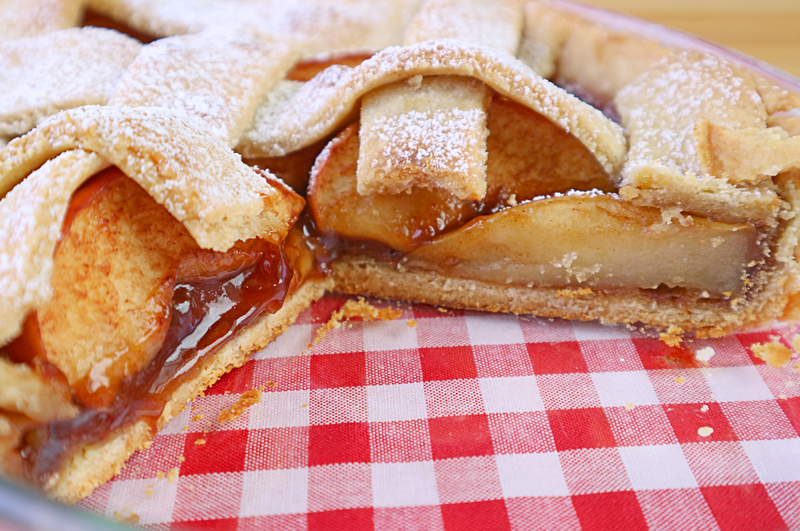


 Instant ClearJel gives apple pie filling a clean slice, clear look, and steady texture. Cornstarch, tapioca, and flour can also work well when they better match your recipe or pantry.
 For apple pie filling, cornstarch gives a smooth set, flour creates a classic opaque filling, and quick-cooking tapioca makes juices clear and stable. Your best choice depends on the texture and appearance you want.
 You need a thickener amount that matches your apples’ natural pectin and moisture content. Apple varieties, ripeness, and whether you use fresh or frozen fruit all change how much juice your fruit filling releases.
 Apple moisture, added lemon juice, and the type of pie crust all affect how much thickener you need. Choose the starch based on how much juice the apples release and how much moisture can escape during baking.
 You help apple pie filling set by blending starch evenly, baking until the juices boil, and allowing enough cooling time. These steps matter whether you use cornstarch, tapioca starch, or flour.
 Apple pie filling needs enough thickener to hold its shape without turning pasty. Apple type, baking time, cooling time, and freezer storage all affect the final texture.
 The right thickener helps apple pie filling become juicy and spoonable without turning watery or overly gummy. The best choice depends on the apples, cooking method, and texture you want.


