What are the Disadvantages of Baking? Understanding the Potential Drawbacks
Baking brings warmth and comfort to many kitchens, but this popular cooking method creates real problems that affect your time, money, and health.
Baking requires significant time investment, demands exact measurements and specialized equipment, often involves unhealthy ingredients like refined sugar and flour, and consumes more energy than most other cooking methods.
Baking can be challenging for both beginners and experienced bakers looking for quick and flexible meal options.
Unlike other cooking methods, baking often requires long preparation and cooking times. Once food is in the oven, making changes is difficult. Baking also depends on special tools and ingredients, which can cost money and require storage space.
Many baked recipes contain refined carbohydrates and high amounts of sugar, which may lead to health concerns when consumed regularly.
This article explores the common disadvantages of baking, including time demands, precision requirements, ingredient limitations, common mistakes, and environmental impact. It also compares baking with faster cooking methods.
The final sections highlight both the advantages and disadvantages of baking to help you decide when it is the right choice for your needs.
Time Commitment and Labor Demands
Baking requires multiple hours of active work and waiting time that other cooking methods don’t demand. The process involves measuring ingredients, mixing, proofing dough, monitoring oven temperatures, and extended cleanup afterward.
Extended Preparation and Baking Times
Baking stretches across several stages that eat up your schedule. Bread dough needs 1-2 hours just for the first rise, then another 30-60 minutes for a second proof before you even turn on the oven.
Most cake recipes require 15-20 minutes of prep work to measure and mix ingredients correctly. Cookie dough often needs 30 minutes to several hours of chilling time in your refrigerator. Pie crusts work better after resting for at least an hour in the fridge.
The actual baking time adds another layer of waiting. A basic loaf of bread bakes for 30-45 minutes. Layer cakes need 25-35 minutes per pan.
You can’t walk away during these stages. Oven temperatures need monitoring to prevent burning. Timer checks become necessary every 10-15 minutes for proper doneness.
Lengthy Cooling and Cleanup Requirements
Baked goods can’t be served straight from the oven. Cakes need 10-15 minutes to cool in the pan, then another hour on a wire rack before you can frost them. Bread loaves require 30-45 minutes of cooling for the interior to set properly.
Cleanup takes as much time as the baking itself. Flour dust covers countertops and requires wiping down every surface. Mixing bowls, measuring cups, spatulas, and baking pans all need washing by hand or loading into the dishwasher.
Sticky dough residue clings to tools and demands scrubbing. Oven spills need immediate attention while the oven is still warm, or they bake into hard-to-remove carbon deposits.
Precision, Equipment, and Ingredient Limitations
Baking demands exact measurements, specialized equipment, and strict ingredient ratios that limit flexibility compared to other cooking methods. These requirements create barriers for beginners and increase costs for home bakers.
Need for Accurate Measurements
Baking requires precise ingredient measurements because chemical reactions depend on specific ratios to work correctly. A difference of just one tablespoon of flour can make cookies spread too thin or turn out dry and crumbly.
You cannot estimate amounts like you do when cooking soup or pasta. The ratio of flour to liquid determines whether your dough forms properly. Too much flour creates dense, heavy products. Too little causes batter to spread or collapse during baking.
Critical measurements that affect results:
Flour affects gluten development and structure
Leavening agents control rise and texture
Sugar impacts browning and moisture retention
Fat ratios determine tenderness and crumb
Digital scales measure ingredients more accurately than measuring cups. Cups can vary by 20-30% depending on how you scoop flour. This inconsistency explains why your recipes fail when you follow the same steps each time.
Specialized Tools and Equipment Costs
Baking requires specific equipment that serves no other cooking purpose, creating significant upfront expenses. Stand mixers cost $200 to $500 but are necessary for bread dough and thick batters that hand mixing cannot handle properly.
You need measuring cups, measuring spoons, multiple mixing bowls, baking pans in different sizes, cooling racks, and an oven thermometer. Each item adds to your total investment before you bake anything.
Equipment
Cost Range
Purpose
Stand mixer
$200-$500
Kneading dough, whipping
Baking pans
$15-$40 each
Different shapes and sizes
Measuring tools
$20-$50
Accurate ingredient portions
Oven thermometer
$10-$25
Temperature verification
Ovens require calibration because most home models run 25 degrees higher or lower than the set temperature. This variation ruins recipes if you don’t adjust baking times or use a thermometer to verify actual heat levels.
Challenges with Ingredient Substitutions
You cannot swap baking ingredients freely because each component serves a specific chemical function in the recipe. Eggs provide structure through protein coagulation, while also adding moisture and fat. Replacing eggs with applesauce changes both texture and rise.
Gluten-free flour lacks the protein network that wheat flour creates. Your baked goods turn out crumbly or dense without reformulating the entire recipe. You must add xanthan gum or other binders to mimic gluten’s elasticity.
Sugar substitutes alter more than sweetness. Sugar holds moisture, creates browning through caramelization, and feeds yeast in bread recipes. Artificial sweeteners cannot perform these functions. Your low-sugar cookies spread differently and brown poorly.
Butter and oil behave differently at various temperatures. Butter contains water and milk solids that affect spread and flavor. Oil creates moister products but changes texture. Each substitution requires testing multiple batches to achieve acceptable results, wasting time and ingredients.
Health Impacts of Baked Foods
Baked foods can create health problems through high amounts of sugar and fat, refined flour that lacks nutrients, and dense calories that make portion control difficult. These factors affect blood sugar levels, weight management, and long-term health outcomes.
High Sugar and Fat Content
Many baked goods contain large amounts of sugar and fat that increase health risks. Cookies, cakes, pastries, and muffins often include refined sugar and butter or oil to create their taste and texture. A single chocolate chip muffin can contain 400-500 calories with 20-30 grams of sugar, which equals about 5-7 teaspoons.
High sugar intake raises your blood glucose levels quickly. This causes your pancreas to release insulin rapidly. Over time, this pattern can lead to insulin resistance and increase your risk of type 2 diabetes.
Baked foods with high fat content often use saturated fats from butter, shortening, or palm oil. These fats raise LDL cholesterol levels in your blood. The American Heart Association recommends limiting saturated fat to less than 6% of daily calories, but one large bakery cookie can contain half that amount.
Commercial baked products add extra sugar and fat to extend shelf life and enhance flavor. A store-bought blueberry muffin typically contains more sugar than a homemade version.
Refined Carbohydrates and Nutrient Loss
Baked foods made with white flour lack essential nutrients and fiber found in whole grains. The refining process removes the bran and germ from wheat, which contain B vitamins, iron, magnesium, and dietary fiber. This leaves only the starchy endosperm.
Your body digests refined carbohydrates quickly, causing rapid spikes in blood sugar. White bread has a glycemic index of 75, which is considered high. Foods with high glycemic values can increase hunger and lead to overeating within a few hours of consumption.
The baking process itself can reduce certain vitamins. Heat-sensitive nutrients like vitamin C and some B vitamins break down at temperatures above 250°F. A study in the Journal of Food Science found that prolonged baking times decrease vitamin content in vegetables by up to 30%.
Acrylamide forms in starchy baked foods cooked above 248°F. This compound appears when sugars react with an amino acid during high-heat cooking. The International Agency for Research on Cancer classified acrylamide as a probable human carcinogen.
Portion Control and Caloric Density
Baked goods pack many calories into small servings, making it easy to consume excess energy. A standard bakery croissant contains 300-400 calories, yet provides little protein or fiber to create fullness. This caloric density means you can eat significant calories without feeling satisfied.
Commercial portions have grown larger over the past 20 years. A bagel that weighed 2-3 ounces in the 1980s now averages 4-6 ounces, increasing calories from 230 to 550. These larger sizes create new expectations for normal portions.
Baked foods trigger reward centers in your brain through their combination of sugar, fat, and salt. This can override natural fullness signals and lead to overconsumption. Research shows people eat 35% more when served larger portions of baked goods compared to smaller servings.
The lack of water content in most baked products contributes to their caloric density. Fresh fruit contains 80-90% water, while cookies and crackers contain less than 5%. This means baked items deliver more calories per bite than whole foods.
Environmental and Cost Considerations
Baking creates measurable environmental impacts through energy use and generates ongoing expenses from ingredients and utilities. These factors affect both home bakers and commercial operations.
Energy Consumption in Baking
Ovens consume substantial electricity or gas during preheating and baking cycles. A standard home oven uses 2,000 to 5,000 watts per hour when active. Commercial bakeries face higher consumption rates with industrial ovens running continuously throughout production shifts.
Wheat production contributes approximately 40% of bread’s total environmental footprint through synthetic fertilizer runoff. The agricultural phase releases more greenhouse gases than the actual baking process in most production systems.
Your baking frequency directly impacts your energy bills and carbon footprint. A single bread loaf baked at home requires 0.5 to 1.5 kWh of electricity. Bakeries producing 1,000 loaves daily consume 500 to 1,500 kWh just for oven operations.
Small-batch baking proves less energy-efficient than commercial production when measured per unit. You waste energy heating a full-sized oven for a single tray of cookies.
Ingredient and Utility Expenses
Flour, sugar, eggs, and butter costs fluctuate with market conditions and seasonal availability. You pay premium prices for organic or specialty ingredients that can double your recipe expenses.
Your utility bills increase with regular baking activity beyond ingredient costs. Water usage, oven electricity, and cooling costs add $0.50 to $2.00 per baking session for home operations.
Commercial bakeries spend 15-25% of revenue on raw materials alone. Equipment maintenance, facility climate control, and waste disposal create additional fixed costs. You face similar proportional expenses when baking frequently at home, though at smaller absolute values.
Common Pitfalls and Inconsistencies
Baking produces inconsistent results when measurements vary or techniques fail, leading to wasted ingredients and unpredictable textures. Small errors in preparation create batches that differ in quality from one attempt to the next.
Batch Errors and Ingredient Waste
You waste entire batches of ingredients when measurement errors or forgotten components ruin your baked goods. A missing teaspoon of baking powder causes bread to stay dense and flat. Using expired yeast prevents dough from rising at all.
Temperature mistakes destroy hours of work. If your oven runs 25 degrees too hot, cookies burn on the edges while staying raw in the center. You cannot salvage these failed batches.
Flour measurements create the most common errors. Scooping flour directly from the bag packs up to 25% more flour into your measuring cup than the recipe requires. This extra flour makes cookies dry and cakes dense.
Common measurement failures:
Wrong flour type used in recipe
Baking soda confused with baking powder
Salt accidentally doubled or omitted
Wet and dry ingredients measured in wrong cup types
You must throw away failed batches because baked goods cannot be reformed or recooked once removed from the oven. This waste includes flour, eggs, butter, and sugar that cost money to replace.
Texture and Outcome Variability
Your baked goods turn out differently each time due to ingredient temperature, mixing duration, and oven hot spots. Room temperature butter behaves differently than cold butter when you cream it with sugar. Cold butter creates dense cookies while room temperature butter makes them spread too thin.
Overmixing develops too much gluten in cake batter, creating tough and chewy textures instead of light and fluffy results. Undermixing leaves flour pockets that create dry spots in your finished product.
Oven temperature variations affect rise and browning patterns. Most home ovens have hot and cool zones that differ by 50 degrees. Your cookies on the left side of the pan brown faster than cookies on the right side.
Humidity levels in your kitchen change how much moisture flour absorbs. You need more liquid on dry winter days and less liquid during humid summer months. Recipes do not account for these environmental factors.
Home Baking Challenges Compared to Other Cooking Methods
Home baking creates more cleanup work and poses greater allergen risks than cooking methods like sautéing, grilling, or boiling. These challenges make baking less practical for households with allergies or limited time for kitchen maintenance.
Mess and Cleanup Effort
Baking generates more dirty dishes than stovetop cooking because you must use separate bowls for measuring, mixing, and combining ingredients. Flour dust spreads across counters, floors, and appliances during the preparation process.
You need measuring cups, spoons, mixing bowls, whisks, spatulas, and baking pans for a single batch of cookies. A simple stir-fry requires just one pan and a spatula. Baking pans with burnt sugar or stuck-on batter need soaking and scrubbing that takes 10 to 15 minutes per pan.
Flour becomes airborne when you pour or sift it. The powder settles on surfaces throughout your kitchen and requires wiping down cabinets, appliances, and light fixtures. Stovetop cooking contains messes to the immediate cooking area.
Grilling produces minimal cleanup since you cook directly on grates that you brush clean in minutes. Boiling only dirties one pot that you rinse immediately after draining. These methods let you finish cleanup within 5 minutes of completing your meal.
Allergen Exposure and Dietary Restrictions
Baked goods contain multiple allergens in nearly every recipe, making them difficult to adapt for people with food sensitivities. Wheat, eggs, milk, and nuts appear as core ingredients that provide structure, moisture, and flavor in traditional baking.
You cannot easily substitute these allergens without changing the entire recipe. Gluten-free flour mixes behave differently than wheat flour and require additional binders like xanthan gum. Egg replacers made from flax or chia seeds add different textures and moisture levels than real eggs.
Airborne flour particles remain in your kitchen for hours after baking and contaminate surfaces where you prepare other foods. You expose family members with celiac disease or wheat allergies to gluten even when they don’t eat the baked goods.
Stovetop cooking lets you control allergen exposure more easily. You can prepare allergen-free meals using dedicated pans and utensils. Grilled meats and roasted vegetables naturally avoid common baking allergens while offering complete nutritional meals.
Summary of Advantages and Disadvantages of Baking
Baking offers specific benefits for nutrient retention and fat reduction while presenting challenges with time, equipment needs, and commercial product quality. The method preserves more vitamins and minerals compared to boiling or frying. You can also control ingredients when baking at home.
Key Advantages:
Retains water-soluble vitamins like vitamin C and B vitamins better than boiling
Commercial baked goods often contain trans fats and refined ingredients
You can reduce fat content when baking your own food by using apple sauce or mashed bananas instead of oil. Store-bought baked products frequently contain refined flour and added sugars that spike blood sugar levels.
The baking process works well for vegetables, meat, and bread when you have time to plan meals. However, you cannot quickly prepare food when you need it fast. Your oven must preheat for 10-15 minutes before baking begins. This adds to the total cooking time and energy costs.
FAQ: Disadvantages of Baking
Baking is a popular cooking method known for producing breads, pastries, and other dishes with less oil than frying. However, it also comes with some drawbacks. Here’s a clear and reader-friendly FAQ.
What Are the Main Disadvantages of Baking?
Common disadvantages of baking include:
Longer cooking times
Need for precise measurements
Potential nutrient loss from heat
Higher energy use compared to some cooking methods
Why Is Baking Considered Time-Consuming?
Baking often requires:
Preheating the oven
Accurate preparation
Longer cooking times This can make it less convenient than quicker cooking methods.
Does Baking Require Precise Measurements?
Yes, baking relies heavily on exact ingredient ratios. Small mistakes in measurements can affect texture, rise, and overall results.
Can Baking Reduce Nutritional Value?
Some heat-sensitive nutrients, such as certain vitamins, may decrease during baking due to prolonged heat exposure.
Is Baking More Expensive Than Other Cooking Methods?
Baking can use more electricity or gas because ovens require longer heating and cooking times.
Can Baked Foods Still Be Unhealthy?
Yes, baked foods can still be high in:
Sugar
Refined flour
Saturated fats The ingredients matter as much as the cooking method.
Does Baking Dry Out Food?
Yes, overbaking can remove moisture and make foods dry, tough, or crumbly.
Is Baking Difficult for Beginners?
Baking can be challenging because it depends on precise timing, temperature control, and ingredient balance.
Are There Foods That Don’t Bake Well?
Yes, some foods are better suited to frying, steaming, or grilling because baking may not provide the desired texture or flavor.
Can Baking Take Up More Kitchen Space?
Yes, baking often requires multiple tools such as mixing bowls, trays, measuring equipment, and cooling racks.
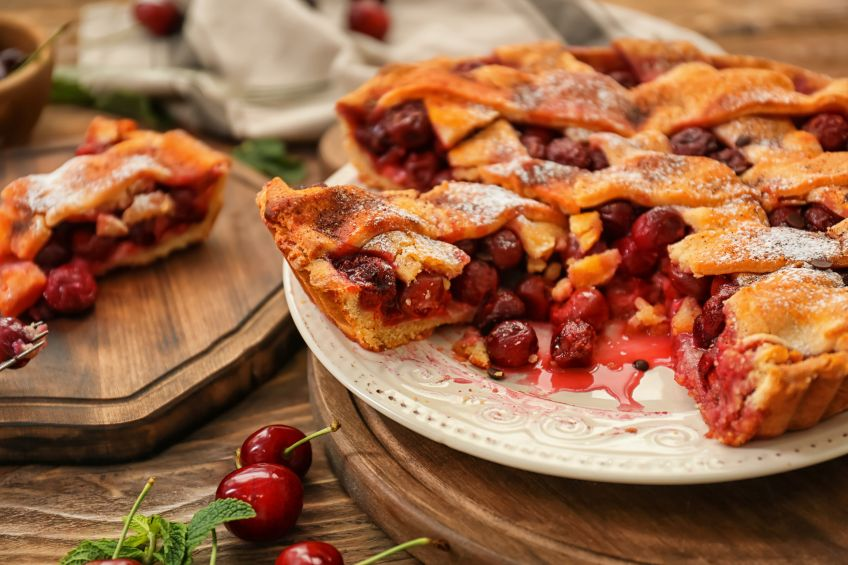

 Baking brings warmth and comfort to many kitchens, but this popular cooking method creates real problems that affect your time, money, and health.
 Baking requires multiple hours of active work and waiting time that other cooking methods don’t demand. The process involves measuring ingredients, mixing, proofing dough, monitoring oven temperatures, and extended cleanup afterward.
 Baking demands exact measurements, specialized equipment, and strict ingredient ratios that limit flexibility compared to other cooking methods. These requirements create barriers for beginners and increase costs for home bakers.
 Baking creates measurable environmental impacts through energy use and generates ongoing expenses from ingredients and utilities. These factors affect both home bakers and commercial operations.
 Baking produces inconsistent results when measurements vary or techniques fail, leading to wasted ingredients and unpredictable textures. Small errors in preparation create batches that differ in quality from one attempt to the next.

 Baking is a popular cooking method known for producing breads, pastries, and other dishes with less oil than frying. However, it also comes with some drawbacks. Here’s a clear and reader-friendly FAQ.


