Why Does My Carrot Cake Taste Bitter? Exploring Common Causes and Solutions
You bake a carrot cake expecting a sweet, warm treat, but then it tastes bitter instead. This can be frustrating, especially after you spent time mixing and baking it.
Carrot cake relies on a harmonious mix of sweetness, spices, and moisture to achieve a balanced flavor. When one element is off, harsh notes quickly take over.
The most common cause of a bitter carrot cake is using too much baking soda or baking powder. These leavening agents help your cake rise, but adding too much creates a chemical taste that overpowers the sweetness. Other factors, like old carrots or too many strong spices, can also add to the bitter taste in your cake.
You can fix this problem once you know what causes it. This article explains the main reasons your carrot cake turns bitter and gives you simple ways to avoid it next time.
Identify the Source of the Bitter Flavor
Bitterness can come from a few different places in your cake. You need to check your ingredients, your baking time, and your carrots to find the real cause.
Recognizing a Soapy or Metallic Aftertaste
A soapy or metallic taste almost always points to too much baking soda or baking powder. These leavening agents contain sodium, and using more than the recipe calls for can create a strong aftertaste that ruins the flavor.
This distinct metallic taste often leaves a lingering bitter aftertaste in your mouth after just one bite.
Check your measurements first. A standard carrot cake recipe needs about one teaspoon of baking soda, not more.
If you taste your carrot cake batter before baking and notice a chemical or soapy flavor, you likely added too much leavening agent. This mistake happens often when recipes are doubled or ingredients are eyeballed instead of measured with cups and spoons.
Distinguishing Burnt, Stale, and Naturally Bitter Notes
Burnt bitterness has a sharp, smoky taste and usually comes from an oven running too hot. While normal caramelization creates rich, sweet notes, excessive heat quickly turns those sugars bitter. This creates a scorched flavor along the edges of the cake.
Using an oven thermometer helps you verify whether excess heat is causing this burnt flavor before your next bake.
Stale bitterness tastes flat and dull. It often comes from old spices, like cinnamon or nutmeg that have lost their strength and turned slightly sour, or from walnuts and pecans that have gone rancid.
Sometimes carrots taste bitter on their own. This happens when carrots are old, overripe, or naturally more bitter due to their variety. Fresh, firm, and brightly colored carrots are less likely to cause carrots tasting bitter in your finished cake.
Measure Leavening Agents and Acids Precisely
Getting a bitter carrot cake usually comes down to math, not luck. Small changes in how much baking soda, baking powder, or acid you use can shift the taste from sweet to sharp.
How Excess Baking Soda Creates Bitterness
Baking soda is a base. When baking soda does not have enough acid to react with, some may remain unneutralized in the batter. This can give the finished cake an unpleasant alkaline or soapy taste, especially when too much baking soda is used. King Arthur Baking explains that baking soda’s potentially strong, soapy flavor is neutralized by acidic ingredients.
Most carrot cake recipes call for a small amount of baking soda, often around 1 teaspoon per cake. Adding even a bit more than the recipe states can throw off the balance.
You should always measure baking soda with a level teaspoon instead of a scoop with a rounded top. This one change can fix a bitter taste without altering the rest of your recipe.
Baking Powder, Recipe Balance, and Ingredient Substitutions
Baking powder already contains its own acid, so it does not need as much help from other ingredients. Still, too much baking powder can leave a bitter, chemical-like taste in your cake.
When you accidentally add too much baking powder, the excess leavener can leave an unpleasant bitter or off-putting taste in the finished cake. King Arthur Baking specifically notes that using too much baking powder can result in a slightly bitter flavor. King Arthur Baking – What’s the difference between baking soda and baking powder?
Check your recipe to see if it uses baking powder, baking soda, or both. If you swap one for the other, you need to adjust the amount, since they are not equal in strength.
You should also think about substitutions you make in other parts of the recipe. Swapping buttermilk for regular milk, for example, removes acid that baking soda needs to react with, which can lead to a bitter, unreacted taste.
Here is a quick reference for common substitutions:
Original Ingredient
Substitute
Effect on Acid Balance
Buttermilk
Regular milk
Less acid, more bitterness risk
Lemon juice
Water
Less acid, more bitterness risk
Baking soda
Baking powder
Needs recipe adjustment
What to Do When the Batter Tastes Bitter Before Baking
If your batter tastes bitter before it goes in the oven, you still have time to fix it. Taste a small spoonful and check if it feels sharp or metallic on your tongue.
You can add a small amount of acid, like a teaspoon of lemon juice or buttermilk, to help balance out extra baking soda. This gives the soda something to react with, which can reduce the bitter aftertaste.
If the bitterness is strong, it may be better to start over with correct measurements. This saves you from baking a cake that will likely taste worse once it is fully cooked.
Choose Fresh, Sweet Carrots and Other Ingredients
The flavor of your cake depends on more than the recipe. Baking with high-quality ingredients plays a major role in keeping harsh notes out of your final bake.
Strict ingredient quality prevents dull or metallic flavors from taking over your cake. When you start with premium items, the cake develops sweet and balanced notes naturally.
Using fresh ingredients ensures natural sweetness shines through in every slice. Old carrots, stale spices, and expired baking powder can all cause a bitter taste in your finished cake. High-quality ingredients protect the balance of your bake.
Carrot Variety, Freshness, and Natural Terpenoids
Carrots contain natural compounds called terpenoids, which can contribute to their characteristic earthy, harsh, or bitter flavor.
However, carrot bitterness is caused by a combination of compounds, including terpenoids, polyacetylenes, and phenolic compounds, and can vary depending on the carrot variety and growing and storage conditions. UC Davis Postharvest Research and Extension Center.
Using sweet, fresh carrots ensures that natural sugars balance out the terpenoids. When carrots are fully grown and fresh, this gives you a sweet flavor instead of a bitter one.
Older carrots, or carrots that were harvested too early, often have higher terpenoid levels. This is a common answer to the question of why are my carrots bitter.
Some varieties are also naturally sweeter than others. Choosing sweet organic carrots can often provide better natural flavor than older commercial bunches. If you keep running into bitter carrots, try a different variety at the store or farmers market.
How you prepare your carrots also makes a difference. Pre-bagged shreds from the store dry out quickly and tend to taste woody or bitter. Opting for freshly grated carrots releases sweet juices that blend seamlessly into the batter. These tender grated carrots also distribute sweetness more evenly than dry, pre-cut shreds.
Stale Spices, Rancid Nuts, and Expired Pantry Ingredients
Carrots are not the only ingredient that can turn your cake bitter. Old spices lose their flavor over time, and some can develop a harsh, bitter edge instead of just tasting weak.
Check your cinnamon, nutmeg, cloves, and ginger before you bake. If they smell dull or flat, replace them. Strong spices like cloves can also taste harsh if they are stale or overused. Choosing fresh spices provides clean warmth without lingering bitterness.
Baking with fresh spices ensures vibrant aromatics rather than dusty or pungent undertones. Freshly opened jars will always deliver the cleanest flavor. Nuts can also go rancid if they sit in your pantry too long. Rancid walnuts or pecans have a sharp, bitter taste that can spread through the whole cake.
Keep your walnuts and pecans in an airtight container in the refrigerator or freezer. Old baking powder or baking soda is another common cause. These ingredients lose their strength over time, and using too much of either can leave a lingering bitter aftertaste.
How Storage Affects Carrot Flavor
How you store carrots after you buy them changes their flavor. Consistent refrigeration keeps carrots crisp, but carrots kept too long in cold storage slowly lose sugar, which shifts the balance toward bitterness.
Storing carrots near apples or other ethylene-producing fruits can make bitterness worse. Ethylene exposure can trigger the formation of isocoumarin and other compounds associated with bitter flavor in carrots, which is why carrots should be stored away from apples and other ethylene-producing produce. UC Davis Postharvest Research and Extension Center.
This is one reason carrots are bitter even when they looked fine at the store. Keep your fresh carrots separated from onions and potatoes in the pantry or fridge. Pungent onions can transfer off-flavors, while potatoes release gases that spoil nearby root vegetables. To keep carrots sweet, store them in a sealed bag in the crisper drawer, away from fruit.
Use them within a week or two for the best flavor. Waiting too long increases your risk of ending up with a bitter cake, even if every other ingredient is fresh.
Avoid Baking and Mixing Mistakes
The way you mix your batter and bake your cake plays a direct role in how it tastes. Small errors in technique can cause bitter flavors, even if your ingredients are fresh and measured correctly.
Preventing Overmixing and Dense Texture
Overmixing your carrot cake batter can break down ingredients and release bitter compounds, according to common causes of bitter carrot cake. This happens when you stir too much after adding the flour or leavening agents.
Using proper mixing methods helps preserve the delicate texture. Gentle mixing methods keep gluten from overdeveloping, which prevents bitterness from becoming trapped in a dense crumb. Mix your batter just until the ingredients combine, and stop as soon as you no longer see streaks of flour.
Starting with room temperature ingredients makes a big difference in how well the batter emulsifies. Cold eggs or dairy can cause fats to seize, leading to uneven mixing. Beating your eggs thoroughly with oil and sugar before folding in dry ingredients creates a smooth base. If your recipe uses butter, creaming the butter and sugar thoroughly helps aerate the batter and distribute sweetness.
Properly beaten butter and sugar traps tiny air bubbles that prevent a dense, gummy texture. Using softened unsalted butter also gives the crumb a rich, tender flavor. A dense cake can also trap bitter flavors from baking soda or baking powder, making the bitterness more noticeable in every bite.
To fix this, mix wet and dry ingredients separately first. Then fold them together gently with a spatula instead of a mixer. Your choice of flour matters as well. While traditional all-purpose flour yields a tender crumb, substituting whole wheat flour can add earthy, slightly bitter notes if not balanced properly.
If you prefer whole wheat flour, consider mixing it equally with all-purpose flour. Standard all-purpose flour keeps the crumb soft and prevents the wheat bran from dominating the flavor.
Using Accurate Oven Temperature and Baking Time
Your baking temperature affects how your cake bakes and tastes. An unstable baking temperature can quickly turn sweet sugars acrid. If your oven temperature runs hot, your cake can develop bitter flavors from burnt edges or overcooked spices. Use an oven thermometer to check your oven’s real temperature. Many ovens run hotter or cooler than their dial shows.
Keeping an oven thermometer on the center rack ensures you spot temperature fluctuations before they ruin your cake.Bake your carrot cake at 350°F for the time your recipe states. Most carrot cakes bake for 35 to 45 minutes, so check yours a few minutes before the timer ends.
Set a timer and check your cake with a toothpick near the end of baking. If it comes out clean or with a few moist crumbs, your cake is done.
Avoiding Overbaking and Scorched Edges
Overbaking your cake dries it out and can create a bitter, burnt taste around the edges. This happens when your cake stays in the oven too long after it’s fully cooked.
Watch your cake closely during the last 10 minutes of baking. Pull it out as soon as the edges turn golden brown and pull slightly away from the pan. Scorched edges often happen when your pan sits too close to the top or bottom of your oven. Place your pan on the middle rack for even heat.
If your cake browns too fast, cover it loosely with foil. This slows down browning without stopping the baking process. Prevent overcooking by removing the cake from the hot pan after ten minutes on a cooling rack. Leaving it in the hot metal pan can scorch the bottom crust.
Balance the Flavor and Rescue the Cake
A bitter carrot cake can often be saved once you know what caused the problem. You can fix it by adjusting your ingredients, adding acid to counter excess baking soda, or turning a finished cake into something new.
Adjusting Sweetness, Fat, and Warm Spices
If your cake tastes bitter, start by looking at your sugar and spice ratio. Adding a bit more sugar, honey, maple syrup, or brown sugar can help mask the bitterness and bring back balance. Mild liquid sweeteners like agave nectar or maple syrup blend easily without making batter gritty. A touch of agave nectar or honey adds mellow sweetness that softens harsh undertones.
Brown sugar also works especially well because its molasses content adds moisture and a deeper, richer flavor. Adding sweet mix-ins can also counteract bitterness. Folding in plump raisins, shredded coconut, or drained crushed pineapple adds natural sweetness and moisture.
The natural sugars in pineapple provide an immediate sweetness boost. Adding pineapple also supplies gentle acidity that helps temper harsh leaveners. You can also incorporate a spoonful of unsweetened applesauce or mashed ripe bananas. These fruit additions boost moisture and provide gentle sweetness that mellows harsh notes.
Stirring in a little extra applesauce can also help rebalance dry batter. The mild acidity in applesauce softens harsh undertones without altering the structure.
A little fresh orange zest can brighten the batter, as the citrus oils in orange zest cut through sharp flavors. Fat also plays a role in taste. A small increase in oil or butter can soften harsh flavors and make the texture more pleasant.
Rich dairy fat from butter coats the tongue, creating a barrier that mutes sharp or bitter flavors in the crumb. Adding a splash of vanilla extract can also smooth over harsh notes. Vanilla enhances natural sweetness without adding heavy sugar.
Check your spices too. Too much cinnamon, nutmeg, or ginger can create a sharp, bitter edge. Maintaining proper spice balance keeps the crumb warm rather than pungent. Cutting back slightly, or making sure your spices are fresh, can reduce overpowering flavors and promote a sweet, balanced flavor across every bite.
Using Acid Carefully to Counter Excess Baking Soda
Too much baking soda is one of the most common reasons carrot cake tastes bitter. Baking soda is alkaline, so it needs an acid to balance it out. Without enough acid, the bitter taste becomes more noticeable.
You can fix this by adding a small amount of acid to your batter.
Common options include:
Lemon juice
Buttermilk
Sour cream
Cream of tartar
White or apple cider vinegar
These ingredients react with the baking soda and help neutralize the bitter taste. Even a half teaspoon of mild vinegar or lemon juice can bring quick relief. Add acidic ingredients in small amounts, since too much can make the cake sour.
Next time, measure your baking soda carefully. This simple step can prevent an overly strong reaction with acidic ingredients in the first place.
Repurposing a Baked Cake That Cannot Be Fully Fixed
Sometimes a baked cake is too far gone to save through batter adjustments. If the bitterness is mild, pairing the cake with cream cheese frosting or brushing it with a sweet glaze made with honey can easily mask unwanted flavors.
A vanilla or powdered sugar sweet glaze absorbs readily into warm layers to counteract sharpness. If frosting alone does not solve the problem, you can still put the cake to good use. Crumble the cake and mix it with frosting to make cake pops or truffles.
Rolling cake pops in melted dark chocolate or a light dusting of cocoa powder adds a rich flavor that masks lingering bitter notes.
You can also layer pieces of the cake with pudding, whipped cream, or fruit to make a trifle. This spreads out the flavor so the bitterness is less noticeable in each bite.
If you end up with a bitter cake that cannot be saved, starting over might be the cleanest solution. But in many cases, turning a bitter cake into a new dessert helps you avoid wasting your ingredients.
Prevent Bitterness in Future Carrot Cakes
You can avoid a bitter carrot cake by following a trusted recipe, checking your ingredients, and storing your cake the right way. These three habits will help you get a sweet, moist cake every time.
Use a Reliable Recipe and Weigh Ingredients
Pick a recipe from a source you trust. Stick to the exact amounts listed, especially for baking soda and baking powder. A tested recipe uses strict ingredient ratios to ensure leaveners neutralize properly and produce a balanced flavor. When these proportions slip, bitterness often follows.
Use a kitchen scale instead of measuring cups. Scales give you more accurate results than cups or spoons. Even a small amount of extra baking soda can cause a bitter, soapy taste. This happens because too much baking soda reacts with the other ingredients in a way that creates an off flavor.
Weighing your all-purpose flour, sugar, and spices helps you avoid this problem. It also gives you more consistent results from one bake to the next. If your carrot cake recipe incorporates whole wheat flour, weighing is especially crucial. Whole wheat flour is denser than white flour, and scooping it with a cup can pack in too much volume.
Follow this simple table for common leavening amounts:
Ingredient
Typical Amount
Baking soda
1 teaspoon
Baking powder
1–2 teaspoons
Cinnamon
1–2 teaspoons
Taste and Check Ingredients Before Baking
Prioritizing fresh ingredients protects your cake from stale, bitter flavors before the batter even enters the oven. Assessing ingredient quality before mixing saves you time and effort. Selecting high-quality ingredients ensures each addition tastes sweet, vibrant, and clean.
Check your spices and leavening agents before you start. Old baking soda or baking powder can lose its strength and cause an odd taste. Smell your spices first. Fresh cinnamon and nutmeg should smell strong and warm, not dull or flat. Using vibrant fresh spices guarantees sweet aromatics rather than dusty, harsh tones in your batter.
Taste your carrots too. Fresh, sweet carrots make a big difference in flavor. Older or overripe carrots can turn your cake bitter, especially if they look dry or shriveled. If you add nuts, check that they aren’t rancid. Rancid nuts can bring a sharp, unpleasant taste to your cake.
Taste your carrot cake batter briefly before baking. This lets you evaluate your spice balance and catch any imbalance in sugar or spice before it’s too late to fix.
Store Carrot Cake Properly for Best Flavor
How you store your cake affects its taste just as much as how you bake it. Let your cake cool fully before wrapping it. Wrap your cake tightly in plastic wrap or foil. This keeps air out and stops the cake from drying out or picking up odors from your fridge.
If you plan to eat unfrosted cake within a few days, keep it at room temperature in an airtight container. For longer storage, freeze it using both foil and plastic wrap for extra protection.
Cakes topped with cream cheese frosting should be refrigerated to help keep them safe and fresh. The USDA specifically identifies cakes with cream cheese frosting as an exception to baked goods that can generally be kept at room temperature. USDA Food Safety and Inspection Service.
Store the cake in an airtight container while refrigerated. This helps prevent the cake from drying out and stops the frosting from absorbing odors from other foods in the refrigerator. USDA Food Safety and Inspection Service.
Avoid leaving your cake uncovered on the counter. Exposure to air can dry it out and lead to a stale or bitter taste over time.
FAQ:Why Does My Carrot Cake Taste Bitter?
Carrot cake can taste bitter because of too much baking soda, excessive spices, burnt ingredients, or carrots that are naturally bitter. The bitterness may also come from walnuts, pecans, citrus peel, or an ingredient that has gone stale.
Can Too Much Baking Soda Make Carrot Cake Bitter?
Yes. Excess baking soda can give carrot cake a bitter, soapy, or alkaline taste, especially when the recipe does not contain enough acidic ingredients to balance it. Measure baking soda carefully and avoid confusing it with baking powder.
Can Spices Make Carrot Cake Taste Bitter?
Yes. Excessive amounts of spices such as cinnamon, nutmeg, cloves, or allspice can create a bitter or harsh flavor. Cloves are particularly strong, so use them sparingly and follow the recipe’s measurements.
Can Burnt Carrot Cake Taste Bitter?
Yes. Overbaking can cause the edges, base, or surface to burn, producing a bitter taste. If only the outer areas are affected, trimming away the burnt portions may improve the flavor, but a heavily burnt cake is usually difficult to fix.
Can Carrots Make Carrot Cake Bitter?
Occasionally. Some carrots can have a naturally bitter or earthy flavor, particularly if they are old or have been stored improperly. Use fresh, sweet-tasting carrots and remove any green tops before grating.
Can Nuts Make Carrot Cake Taste Bitter?
Yes. Walnuts and other nuts can develop a bitter or rancid flavor when their oils deteriorate. Taste the nuts before adding them, and store them in an airtight container, preferably in the refrigerator or freezer for longer storage.
Can Too Much Orange or Lemon Zest Make Carrot Cake Bitter?
Yes. The white pith beneath citrus peel is bitter, and including too much of it can affect the cake’s flavor. Use only the colored outer zest and avoid grating deeply into the white layer.
How Can You Prevent Carrot Cake From Tasting Bitter?
Measure the leavening agents and spices accurately, use fresh ingredients, and avoid overbaking the cake. It also helps to taste-test nuts, carrots, and flavorings before adding them to the batter.
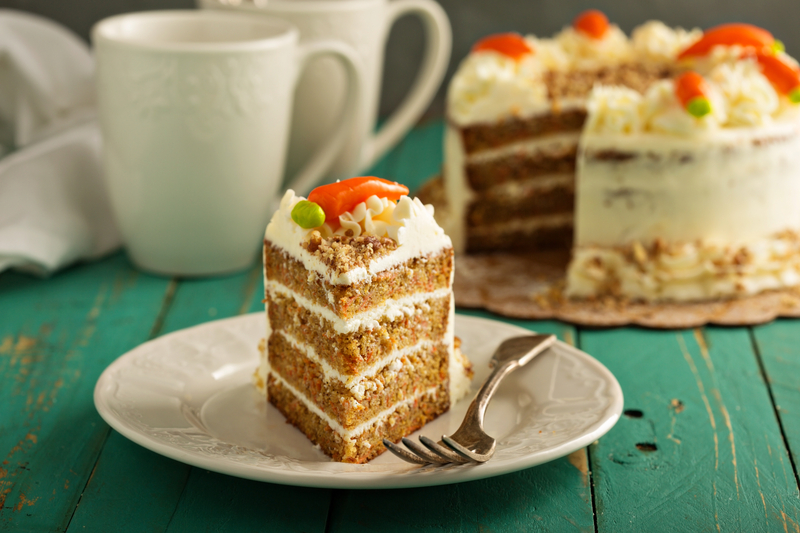


 Bitterness can come from a few different places in your cake. You need to check your ingredients, your baking time, and your carrots to find the real cause.
 Getting a bitter carrot cake usually comes down to math, not luck. Small changes in how much baking soda, baking powder, or acid you use can shift the taste from sweet to sharp.
 The flavor of your cake depends on more than the recipe. Baking with high-quality ingredients plays a major role in keeping harsh notes out of your final bake.
 The way you mix your batter and bake your cake plays a direct role in how it tastes. Small errors in technique can cause bitter flavors, even if your ingredients are fresh and measured correctly.
 A bitter carrot cake can often be saved once you know what caused the problem. You can fix it by adjusting your ingredients, adding acid to counter excess baking soda, or turning a finished cake into something new.
 You can avoid a bitter carrot cake by following a trusted recipe, checking your ingredients, and storing your cake the right way. These three habits will help you get a sweet, moist cake every time.
 Carrot cake can taste bitter because of too much baking soda, excessive spices, burnt ingredients, or carrots that are naturally bitter. The bitterness may also come from walnuts, pecans, citrus peel, or an ingredient that has gone stale.


