What Does Brown Sugar Do in Baking? Flavor, Texture, and Tips
Brown sugar does more than sweeten baked goods.
It adds moisture, creates a soft, chewy texture, and gives recipes a rich caramel flavor. These effects come from molasses, which is added to white sugar to make brown sugar. If you’ve ever wondered why some cookies turn out soft while others are crisp, brown sugar may be part of the reason. Brown sugar in baking affects how dough spreads and browns, and its acidity can react with baking soda to help baked goods rise.
Understanding what brown sugar does in baking can help you get more consistent results. Whether you’re making cookies, cakes, or bars, knowing how brown sugar works gives you more control over the final texture and flavor.
The Main Effects on Baked Goods
Brown sugar affects baked goods in three key ways: it helps retain moisture, influences texture, and adds flavor and color. Many of these effects come from molasses.
Moisture Retention and a Softer Texture
Molasses gives brown sugar notable hygroscopic properties, meaning it naturally attracts and retains moisture. Brown sugar also contains a higher moisture content than granulated white sugar.
When baking with brown sugar, this extra hydration helps keep dough or batter from drying out. In the finished product, this can contribute to an exceptionally soft and tender crumb.
You’ll notice this most in cookies and cakes. They can come out of the oven softer and stay moist longer than versions made with only white sugar.
Chewiness, Tenderness, and Shelf Life
The moisture in brown sugar can also make baked goods chewier, especially when a recipe uses more brown sugar than white sugar. Molasses helps brown sugar retain moisture, which can slow drying during baking and storage.
As a result, cookies, muffins, and bars made with brown sugar may stay moist longer than those made with white sugar alone. The exact shelf life depends on the recipe and storage conditions.
Molasses Flavor, Color, and Browning
Molasses gives brown sugar a distinct flavor profile. It adds caramel notes and a slight warmth that white sugar does not provide. This rich flavor profile deepens during baking as the sugars undergo caramelization. Brown sugar also darkens batter or dough before it goes into the oven.
After baking, the finished product may have a deeper brown color and a rich caramelized crust. Molasses contains sugars that can contribute to browning, while the Maillard reaction and caramelization also affect color and flavor.
Sugar Type
Molasses Level
Flavor
Color
Light brown sugar
Lower
Mild caramel
Light golden brown
Dark brown sugar
Higher
Strong, rich caramel
Deep brown
For a stronger molasses flavor and darker color, choose dark brown sugar. For a milder result, use light brown sugar.
How Brown Sugar Differs from Other Sugars
Brown sugar differs from white sugar, and light brown sugar differs from dark brown sugar. Each type brings its own moisture content, flavor profile, and molasses content to baked goods.
Understanding how brown sugar and white sugar behave differently helps you tailor the exact texture of your bakes.
Brown Sugar Versus White Sugar
White sugar, also called granulated sugar, is refined sucrose with little to no molasses. It is drier and has a neutral taste, and it can help baked goods develop a crisper texture and more spread. Most commercial brown sugar is made by adding molasses to refined white sugar. This gives it more moisture and a deeper flavor than plain white sugar.
The behavior of sugar in baking goes far beyond sweetening, as different sugars directly determine structure and texture. Molasses is mildly acidic. In recipes that include baking soda, its acidity can contribute to an acid-base reaction that releases carbon dioxide and helps dough rise. The effect depends on the recipe’s ingredients and proportions.
Replacing white sugar with brown sugar can make baked goods moister and chewier, though the effect on spread varies by recipe. Many recipes balance brown sugar and white sugar to achieve both crisp edges and a soft center. Replacing brown sugar with white sugar can produce a drier texture and a milder flavor.
Light Brown Sugar Versus Dark Brown Sugar
Light brown sugar and dark brown sugar differ mainly in their molasses content. Dark brown sugar generally contains more molasses than light brown sugar, though the exact amount varies by brand.
This difference affects flavor, color, and moisture:
Light brown sugar: mild molasses taste, lighter color, generally slightly less moisture
Dark brown sugar: stronger, more robust flavor, darker color, generally higher moisture content
Dark brown sugar can make baked goods moister and more strongly flavored than light brown sugar. Recipes calling for a rich, deep flavor, such as gingerbread, often use dark brown sugar. Barbecue sauce may also include it for its flavor.
You can usually substitute one for the other, but expect a subtle change in color and flavor.
Results in Cookies, Cakes, and Quick Breads
Brown sugar affects texture, color, and moisture retention in different baked goods. The result depends on the recipe and how much brown sugar you use.
Chewy Chocolate Chip Cookies Versus Crisp Cookies
Using brown sugar in cookies creates a distinctly chewy texture and deeper flavor. The hygroscopic nature of brown sugar in cookies locks in hydration, preventing the dough from drying out in the oven.
For chewier cookies, use more brown sugar than white sugar, or follow a recipe formulated for baking with brown sugar. Its molasses content helps retain moisture in the baked cookie.
Chocolate chip cookies made mostly with brown sugar tend to be moist and chewy. They may also brown more quickly, depending on the recipe and oven.
For crisp cookies, use more white sugar or follow a recipe designed for a crisp texture. White sugar can encourage more spread and a drier, crunchier result, though the balance of ingredients also matters.
Moist Cakes, Brownies, and Muffins
Brown sugar can help cakes, brownies, and muffins retain moisture. This is partly because brown sugar attracts and holds moisture, as explained in this breakdown of sugar’s role in baking.
Cakes made with brown sugar often develop a velvety, tender crumb rather than a dry, open sponge. Brownies often use brown sugar for moisture and chewiness, though the recipe determines whether the center turns out fudgy or cakey.
Muffins made with brown sugar can have a softer texture and deeper color. The difference may be more noticeable after a day or two of storage, depending on how they are stored.
Banana Bread, Gingerbread, and Molasses Cookies
Quick breads like banana bread often call for brown sugar because it adds moisture and a deeper flavor. It can help banana bread stay soft during storage, though the exact shelf life depends on the recipe and how it is stored.
Gingerbread and molasses cookies often use brown sugar alongside molasses. These recipes rely on a strong, bittersweet flavor that white sugar alone cannot provide.
The darker the brown sugar, the stronger its molasses flavor. Dark brown sugar works well in gingerbread when you want a bold, warm taste. Light brown sugar gives a milder version of the same effect.
The Baking Chemistry Behind the Results
Brown sugar does more than add sweetness. It can affect chemical reactions that influence how baked goods rise, brown, and taste.
How Molasses Acidity Interacts with Baking Soda
Molasses is mildly acidic. When its acidity combines with baking soda in a recipe, an acid-base reaction can occur. This reaction releases carbon dioxide gas. The gas forms bubbles in the batter or dough, which can help baked goods rise.
If a recipe calls for baking soda, the acidity in brown sugar’s molasses may contribute to the leavening reaction. When paired with leavening agents, brown sugar in baking helps activate the rise while yielding a delicate structure.
Baking powder contains both an acid and a base, so it can provide leavening without relying on molasses. Alongside these leavening agents, brown sugar supports a tender crumb and gentle rise.
Replacing brown sugar with white sugar removes the molasses, which may reduce the available acidity. The effect on rise depends on the recipe’s other acidic ingredients and leaveners.
Leavening, Browning, and the Maillard Reaction
Brown sugar affects more than rise. It also influences how baked goods brown and taste. As your batter heats in the oven, sugars and proteins react in a process called the Maillard reaction. This reaction creates the golden-brown color and deep flavor in cookies and cakes.
Molasses contributes additional compounds that can promote browning. As a result, baked goods made with brown sugar may turn darker and develop a richer flavor at the same baking temperature. This combination of leavening and browning explains why brown sugar changes texture and appearance, not just sweetness.
Substituting Brown and White Sugar
You can substitute brown sugar for white sugar in many recipes, but the swap can change the texture, color, or moisture of your baked goods. Knowing what to expect helps you choose the right sugar.
What Changes When You Swap One for the Other
When making a white sugar substitution, you can replace granulated white sugar with brown sugar at a one-to-one ratio in many recipes. The sweetness is similar, but molasses adds moisture and a deeper flavor.
Your baked goods may turn out softer, chewier, and darker. This works well for cookies and quick breads, but can affect delicate bakes such as angel food cake or meringues, which rely on white sugar for their dry, airy structure.
Switching between light and dark brown sugar is simpler. Both work similarly in recipes, but dark brown sugar has a stronger molasses flavor.
Here’s a quick breakdown:
Swap
Effect
White sugar → brown sugar
Adds moisture, chew, and molasses flavor
Brown sugar → white sugar
Creates a drier, crisper, lighter-colored result
Light brown → dark brown
Stronger molasses flavor, with a similar texture
If you’re replacing more than one cup of white sugar with brown sugar, you may want to reduce other liquids slightly, depending on the recipe.
Making Brown Sugar with White Sugar and Molasses
You can make brown sugar at home with two ingredients: white sugar and molasses. This is useful if you run out of brown sugar while baking. For light brown sugar, mix one cup of granulated sugar with one tablespoon of molasses. For dark brown sugar, use two tablespoons of molasses.
Stir the molasses into the sugar until fully blended and no dry streaks remain. The mixture should look moist and clump slightly, like store-bought brown sugar. This homemade version works much like packaged brown sugar in recipes. It adds moisture and molasses flavor because brown sugar is granulated sugar combined with molasses.
Practical Tips for Consistent Results
How you measure and store brown sugar can affect the taste and texture of baked goods. Use these tips to get consistent results every time you bake.
Measuring Packed Brown Sugar Accurately
When measuring brown sugar, recipes usually call for it to be packed. Press the sugar into your measuring cup until it holds the cup’s shape when turned over.
If you scoop it loosely, you may use less sugar than the recipe calls for. This can affect the sweetness, moisture, and texture of the finished product.
Here is a simple way to measure packed brown sugar accurately every time:
Break up any hard clumps first
Scoop sugar into the cup until it rises above the rim
Press down firmly with a spoon or your fingers
Add more sugar and press again if needed
Level the top with a knife or spatula
For the most accurate results, weigh your sugar on a kitchen scale instead of measuring it by volume.
Storing and Softening Brown Sugar
Brown sugar dries out and hardens when exposed to air because its molasses loses moisture over time. To keep brown sugar soft, store it in an airtight container or sealed bag in a cool, dry place away from direct sunlight.
If your sugar has hardened, you can still use it. Break it apart with your hands or a fork before measuring, then pack it as usual. For a quicker fix, place the sugar in a bowl with a damp paper towel and microwave it in short bursts. Check it often to soften the sugar without melting it.
FAQ:What Does Brown Sugar Do in Baking?
Brown sugar adds sweetness, moisture, colour, and a subtle caramel-like flavour to baked goods. Because it contains molasses, it can also affect texture, acidity, and browning. These properties make brown sugar particularly useful in cookies, brownies, gingerbread, cakes, and other recipes where a soft texture and deeper flavour are desirable.
The exact effect depends on whether you use light or dark brown sugar, how much you add, and how it interacts with the other ingredients.
Does Brown Sugar Make Cookies Softer?
Yes, brown sugar often helps cookies stay softer and chewier because its molasses content helps retain moisture. The final texture also depends on the recipe, baking time, and the proportions of butter, flour, and other ingredients.
Is Brown Sugar Better Than White Sugar for Baking?
Neither is universally better. Brown sugar adds moisture and a caramel-like flavour, while white sugar generally produces a cleaner sweetness and can help cookies become crisper. The best choice depends on the flavour and texture you want.
Can I Substitute Brown Sugar for White Sugar in a Cake?
In many recipes, you can replace white sugar with brown sugar in the same amount, preferably by weight. However, brown sugar may make the cake moister, darker, and slightly denser, with a more pronounced molasses flavour. For the most predictable results, follow the recipe’s specified sugar type.
Does Brown Sugar Make Cakes More Moist?
Brown sugar can help cakes retain moisture because it contains molasses. However, the cake’s overall moisture also depends on the fat, eggs, liquid ingredients, flour, and baking time.
What Is the Difference Between Light and Dark Brown Sugar in Baking?
Light brown sugar has a milder molasses flavour, while dark brown sugar generally contains more molasses and produces a deeper flavour and darker colour. Both can be used in many of the same recipes, but dark brown sugar is especially suitable for gingerbread, spice cakes, and rich cookies.
Does Brown Sugar Help Cookies Spread?
Brown sugar can influence cookie spread, but its effect depends on the complete recipe. The balance of sugar, butter, flour, and moisture, along with dough temperature and baking conditions, all affect how much cookies spread.
Can You Use Brown Sugar Instead of White Sugar in Brownies?
Yes. Brown sugar works well in many brownie recipes, adding a deeper caramel-like flavour and potentially a softer, moister texture. However, it can change the brownies’ crust, chewiness, and overall structure, so the results may differ from a recipe made with white sugar.
Does Brown Sugar Make Baked Goods Brown Faster?
Brown sugar can contribute to darker browning because of its molasses content. However, actual browning depends on the oven temperature, baking time, moisture, and other ingredients. Check baked goods for doneness rather than judging by colour alone.
Can Brown Sugar Replace Baking Powder or Baking Soda?
No. Brown sugar is a sweetener, not a leavening agent. Although its mild acidity can react with baking soda in some recipes, it cannot replace baking powder or baking soda in the quantities needed for reliable rising.
Should Brown Sugar Be Packed When Measuring It?
Many recipes expect brown sugar to be firmly packed into a measuring cup, unless otherwise specified. Packing removes air gaps and helps provide a consistent amount. Weighing the sugar in grams is generally more precise.
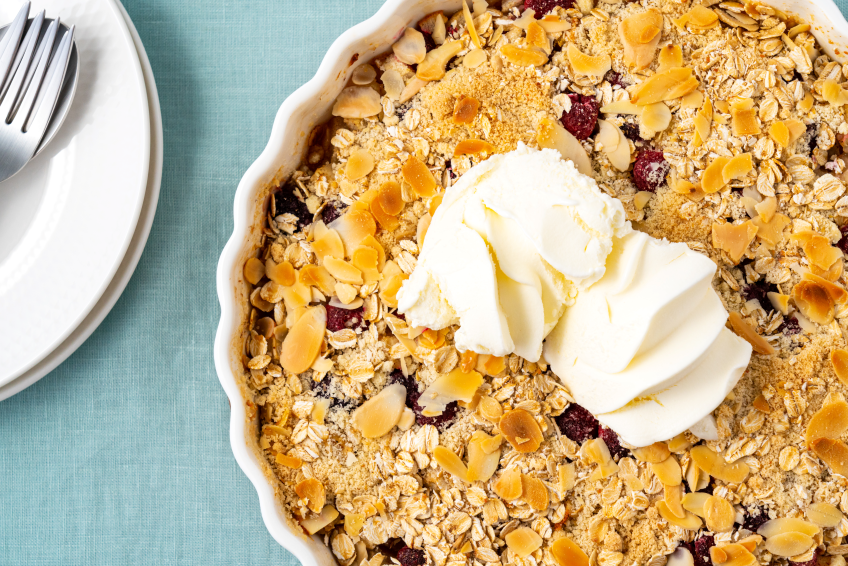


 Brown sugar affects baked goods in three key ways: it helps retain moisture, influences texture, and adds flavor and color. Many of these effects come from molasses.
 Brown sugar differs from white sugar, and light brown sugar differs from dark brown sugar. Each type brings its own moisture content, flavor profile, and molasses content to baked goods.
 Brown sugar affects texture, color, and moisture retention in different baked goods. The result depends on the recipe and how much brown sugar you use.
 Brown sugar does more than add sweetness. It can affect chemical reactions that influence how baked goods rise, brown, and taste.
 You can substitute brown sugar for white sugar in many recipes, but the swap can change the texture, color, or moisture of your baked goods. Knowing what to expect helps you choose the right sugar.
 How you measure and store brown sugar can affect the taste and texture of baked goods. Use these tips to get consistent results every time you bake.


