Is It Better to Leave Cookie Dough Overnight? The Science Behind Overnight Cookie Dough Resting
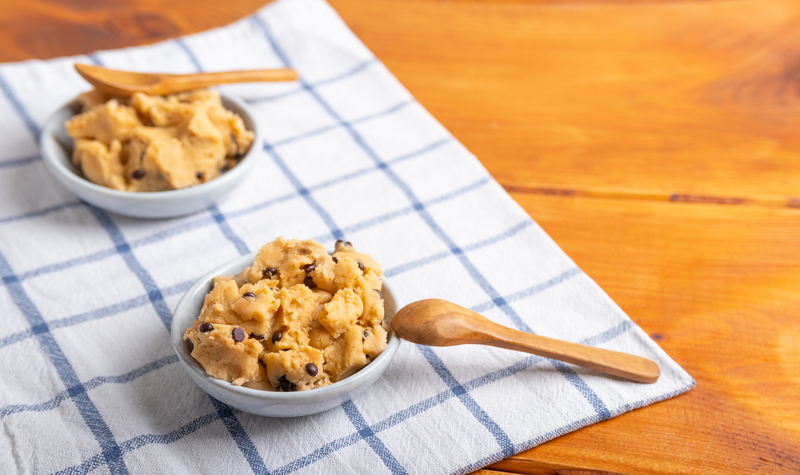
It’s a debate that has been ongoing for years: is it better to leave cookie dough overnight before baking, or can you bake it right away?
Many bakers swear by the overnight rest, claiming that it improves the texture and flavor of the cookies.
Others argue that there’s no real difference and that you can bake the cookies right away without any negative consequences.
Those who advocate for leaving cookie dough overnight argue that the rest allows the dough to fully hydrate, resulting in a chewier, more flavorful cookie.
The rest time also allows the dough to meld together, helping to create a more cohesive cookie.
Additionally, some claim that the overnight rest allows the flavors to develop more fully, resulting in a richer, more complex taste.
But is there any scientific evidence to back up these claims?
The Science of Cookie Dough Resting
When it comes to baking cookies, many people wonder if it’s better to leave the dough overnight or bake it right away.
The answer lies in the science behind the resting process.
During the resting period, the dough’s moisture content evens out, allowing the flavors to meld together. This results in a more flavorful and tender cookie.
Additionally, the resting period allows the gluten in the dough to relax, resulting in a softer, chewier texture.
However, it’s important to note that the resting period can also affect the cookie’s shape.
If the dough is left to rest for too long, it may spread too much during baking, resulting in a thin, crispy cookie.
On the other hand, if the dough is not rested enough, the cookie may be dense and cakey.
To ensure the perfect cookie, it’s recommended to rest the dough for at least 30 minutes and no more than 24 hours.
This allows for optimal flavor development and texture without sacrificing the cookie’s shape.
Overall, understanding the science behind cookie dough resting can lead to a more delicious and satisfying cookie.
Benefits of Overnight Dough Resting
Flavor Development
Leaving cookie dough to rest overnight allows for the flavors to fully develop and meld together.
During the resting period, the flour absorbs the liquids, allowing the ingredients to fully hydrate and blend.
This results in a more complex and well-rounded flavor profile, with a deeper and richer taste.
Texture Enhancement
Resting cookie dough overnight also enhances its texture.
The dough becomes more tender and moist, resulting in a softer and chewier cookie.
The resting period also allows the gluten in the dough to relax, making it easier to work with and resulting in a more consistent texture throughout the cookie.
As the dough rests, the flour absorbs the liquids, resulting in a softer and moister cookie.
The dough also becomes more pliable, making it easier to shape and roll.
This increased hydration also helps prevent the cookies from spreading too much during baking, resulting in a more uniform and attractive appearance.
Overall, the benefits of overnight dough resting are clear. It results in a cookie with a more complex flavor profile, a softer and chewier texture, and increased hydration.
By taking the time to let the dough rest overnight, bakers can create a cookie that is truly exceptional.
Potential Drawbacks of Resting Dough Overnight
Refrigeration Space Constraints
One potential drawback of resting cookie dough overnight is the need for adequate refrigeration space.
Depending on the recipe, the dough may need to be divided into portions and wrapped tightly in plastic wrap or placed in airtight containers.
This can take up valuable space in the refrigerator, especially if the recipe makes a large batch of dough.
To avoid this issue, it may be necessary to plan ahead and clear out space in the refrigerator before beginning the recipe.
Alternatively, smaller batches of dough can be made or the dough can be formed into individual cookies before refrigeration.
Planning and Timing Considerations
Resting cookie dough overnight also requires additional planning and timing considerations.
If the recipe calls for the dough to be chilled for several hours, the baker will need to factor in this extra time when planning to bake the cookies.
This can add additional time to the overall baking process and may require the baker to adjust their schedule accordingly.
Overall, while resting cookie dough overnight can result in improved texture and flavor, it is important to consider the potential drawbacks such as refrigeration space constraints and planning and timing considerations.
By taking these factors into account and planning ahead, bakers can successfully incorporate this technique into their cookie-making process.
Comparing Same-Day Baked vs. Overnight Dough
When it comes to baking cookies, the question of whether to bake the dough right away or let it rest overnight is a common one.
There are a few key differences between the two methods that can affect the final product.
One main difference is in the texture of the cookies.
Same-day baked cookies tend to be thinner and crispier, while overnight dough results in thicker and chewier cookies.
This is because the longer resting time allows the dough to absorb more moisture, resulting in a denser texture.
Another difference is in the flavor.
Overnight dough tends to have a more complex and developed flavor due to the longer fermentation process.
This can result in a richer and more satisfying taste.
In terms of convenience, same-day baked cookies are obviously quicker to make and require less planning ahead.
However, the extra time and effort put into overnight dough can result in a more rewarding and flavorful end product.
Ultimately, the decision of whether to bake cookies right away or let the dough rest overnight depends on personal preference and the desired outcome.
Both methods can result in delicious cookies, so it’s up to the baker to decide which approach works best for them.
Best Practices for Overnight Dough Preparation
Covering and Storing
When preparing cookie dough for overnight refrigeration, it is important to properly cover and store the dough to prevent it from drying out or absorbing unwanted odors from the refrigerator.
The best way to store cookie dough overnight is to wrap it tightly in plastic wrap or place it in an airtight container.
Using plastic wrap is an easy and effective way to cover the dough.
Simply wrap the dough tightly in plastic wrap, making sure there are no gaps or openings.
This will prevent air from getting in and drying out the dough.
Alternatively, an airtight container can be used to store the dough.
Make sure the lid is tightly sealed to prevent air from getting in.
Temperature Control
Temperature control is important when preparing cookie dough for overnight refrigeration.
The dough should be stored in the refrigerator at a temperature between 34°F and 40°F to prevent the growth of harmful bacteria.
It is recommended to preheat the oven before baking the cookies.
This will allow the oven to reach the desired temperature and ensure that the cookies bake evenly.
Additionally, letting the dough come to room temperature before baking will help the cookies spread and bake evenly.
In summary, properly covering and storing cookie dough and maintaining temperature control are key factors in preparing dough for overnight refrigeration.
By following these best practices, bakers can ensure that their cookies turn out perfectly every time.
Alternatives to Overnight Resting
While leaving cookie dough overnight is a popular method to enhance the flavor and texture of cookies, it may not always be practical for everyone.
Fortunately, there are some alternatives to overnight resting that can still produce delicious cookies.
Chilling for a Few Hours
If there isn’t enough time for overnight resting, chilling the dough for a few hours can still help improve the texture and flavor of the cookies.
This is because chilling the dough helps to solidify the fat in the dough, which results in less spreading during baking and a chewier texture.
Adding Cornstarch
Another alternative to overnight resting is to add cornstarch to the cookie dough.
Cornstarch helps to absorb moisture and create a softer, more tender cookie.
Simply add a tablespoon or two of cornstarch to the dry ingredients before mixing with the wet ingredients.
Using Cake Flour
Cake flour has a lower protein content than all-purpose flour, which results in a softer, more delicate texture.
Using cake flour in place of all-purpose flour can help create a cookie that is tender and crumbly.
However, keep in mind that using cake flour may result in a flatter cookie with less structure.
Conclusion
While overnight resting is a popular method to enhance the flavor and texture of cookies, there are alternatives that can still produce delicious results.
Experimenting with different methods can help you find the perfect technique for your cookie recipe.
Expert Opinions on Dough Resting
Experts have varying opinions on whether it is better to leave cookie dough overnight or not.
Some believe that resting the dough enhances the flavor and texture of the cookies, while others think that it makes little to no difference.
According to pastry chef and cookbook author, David Lebovitz, resting the dough overnight allows the flavors to meld together and the flour to fully hydrate.
This results in a more flavorful and tender cookie.
He suggests wrapping the dough tightly in plastic wrap and refrigerating it for at least 24 hours before baking.
On the other hand, food scientist Harold McGee argues in his that there is no scientific evidence to support the claim that resting cookie dough overnight improves its flavor or texture.
He suggests that the main benefit of resting the dough is that it allows the dough to firm up, making it easier to handle and shape.
Despite the differing opinions, many bakers and home cooks swear by the benefits of resting cookie dough overnight.
It is ultimately up to personal preference and experimentation to determine whether or not to rest the dough before baking.
In summary, while there is no definitive answer to whether it is better to leave cookie dough overnight, it is worth considering the opinions of experts and experimenting with different methods to find what works best for you.
Final Thoughts on Dough Resting Techniques
When it comes to resting cookie dough, there are several techniques to choose from.

 It’s a debate that has been ongoing for years: is it better to leave cookie dough overnight before baking, or can you bake it right away?


