What is the Equivalent of a 2-Quart Baking Dish? Understanding Substitutes and Sizes
Swapping a 2-quart dish for something else changes how deep your food sits, and depth is what controls bake time. A 2-quart baking dish holds about 8 cups of volume. Finding a reliable equivalent for a 2 quart baking dish is simple once you compare capacities.
Standard baking dish sizes that match this capacity include an 8x8x2 square pan, an 11x7x2 rectangular pan, a 9-inch round cake pan, or a 9x5x3 loaf pan filled close to the top. A classic Pyrex 2-quart oblong dish fits this volume perfectly.
A versatile 9-inch round pan or a deep round cake pan also serves as an easy stand-in, while an 8-inch round pan is usually too small unless it has extra depth. A deep 9-inch round pan is also frequently chosen for rustic pies and crustless quiches.
Note: A 9x9x2-inch square pan holds about 2½ quarts and a 9x13x2-inch pan holds 3+ quarts, so they are larger than 2 quarts and will make batters noticeably shallower and faster-baking unless you scale the recipe.
Comparing baking dish dimensions makes any casserole conversion much easier. Consulting a casserole conversion guide when choosing an alternative baking dish size or baking pan keeps your casseroles from bubbling over the sides.
How Surface Area Changes Cooking Time
Heat moves from the edges of the pan toward the center. The longer that trip, the longer your food needs in the oven. Surface area sets the depth. An 8×8 square pan gives you 64 square inches of base. A 9×13 gives you 117 square inches, nearly double.
Pour the same 8 cups into each one, and the 9×13 version sits about half as deep. That shallower food bakes faster. A helpful rule: if the new baking pan is 20 percent smaller in area, the batter gets 25 percent deeper, and you’ll usually need 5 to 10 extra minutes.
Paying attention to batter depth is critical. A deeper fill needs extra time for heat to penetrate the center without overbrowning the crust.
Using a Deeper Pan
A deeper substitute, like a 2-quart soufflé dish, an oval casserole, or a tall round casserole dish, stacks your food higher in a smaller footprint.
Deep loaf pans also hold this capacity well, which makes them great for a hearty meatloaf or a quick bread, though you should plan on adding time. Similarly, heavy batters like a pound cake or dense quick breads often bake in a deep loaf pan or tube pan to let heat rise steadily.
When preparing a dense meatloaf in a deeper dish, using an instant-read thermometer ensures the center cooks evenly without drying out the exterior.
For a casserole that takes 45 minutes in an 8×8, expect 55 to 65 minutes in something noticeably deeper. You may also need to drop the oven temperature by 25°F. Otherwise the top browns before the middle gets hot.
Watch for these signs:
Edges bubbling while the center stays cool
Top browning too early (tent with foil)
A knife or thermometer showing under 165°F in the middle
Check the center, not the edge. That’s where the food finishes last.
Using a Wider or Shallower Pan
Going wider spreads everything thin, and thin food cooks fast. Move a 2-quart casserole into a wide rectangular pan like a 9x13x2 rectangular pan and it might finish 10 to 15 minutes early.
That large format works wonderfully when baking a tender sheet cake, but savory dishes can dry out quickly. Even larger options, like a 14x10x2 rectangular pan, spread food too thin for a 2-quart recipe and risk drying out.
If you adapt a recipe designed for a sheet cake into a smaller 2-quart dish, expect bake times to increase as the batter deepens.
Similarly, switching to a 9-inch square pan or a 9x9x2 square pan gives you more surface area. That extra width works well for quick desserts like brownies, but items bake faster than in an 8×8 dish.
When baking delicate brownies, monitoring your timer closely prevents the edges from overbaking while the center sets. Start checking at the two-thirds mark. A 50-minute recipe should get its first check around 33 minutes.
Quick substitution table (from an 8×8 / 2-quart baseline)
New pan
Approx. area
Depth vs 8×8
Time adjustment (start checking)
9-inch round cake pan (63.6 sq in)
~63.6 sq in
About the same
No change
9-inch square pan (81 sq in)
81 sq in
Shallower
Check 5–10 min early
9×13 (117 sq in)
117 sq in
Much shallower
Check 10–15 min early
9×5 loaf (45 sq in)
45 sq in
Deeper
Add 10–15 min
The risk with a wide pan is drying out, especially at the corners. Cover with foil for the first half if the dish has little liquid.
Glass, Ceramic, and Metal Considerations
The material matters as much as the shape. Glass and ceramic heat slowly but hold that heat for a long time. For a Pyrex baking dish or a stoneware Le Creuset casserole dish, lower the oven by 25°F and add a few minutes.
Food also keeps cooking after you pull it out, so account for that with custards, pies, and savory quiches. Both dessert pies and egg-based quiches rely on this residual heat to finish firming up.
It is equally important when monitoring delicate cakes or a dense cheesecake baked in a springform pan. Allowing a cheesecake to cool slowly prevents rapid temperature drops that can crack the top.
Metal is different. A light aluminum metal pan bakes evenly and releases heat quickly once it leaves the oven. Dark metal pans absorb more heat and brown the bottom faster. Drop the temperature 25°F there too, and start checking early.
One more thing: never move glass from the fridge straight into a hot oven. Let it sit on the counter for 20 to 30 minutes first.
FAQ: What Is the Equivalent of a 2-Quart Baking Dish?
A 2-quart baking dish holds approximately 8 cups of food or liquid. Common equivalents include an 8 × 8-inch square baking dish or an 11 × 7-inch baking dish, provided the dish has a suitable depth.
Is an 8 × 8 Pan the Same as a 2-Quart Baking Dish?
An 8 × 8-inch pan is often close to a 2-quart baking dish, but its exact capacity depends on its depth. Many standard 8 × 8-inch dishes hold approximately 2 quarts.
Is an 11 × 7 Pan Equivalent to a 2-Quart Dish?
Yes, a standard 11 × 7-inch baking dish is commonly used as a substitute for a 2-quart dish. However, check the manufacturer’s stated capacity because the depth can change the volume.
Can You Use a 9 × 9 Pan Instead of a 2-Quart Dish?
A 9 × 9-inch pan may hold more than 2 quarts, depending on its depth. Using it can make the food shallower, which may reduce the baking time, so check for doneness earlier.
How Many Cups Are in a 2-Quart Baking Dish?
A 2-quart baking dish holds 8 cups, because 1 quart equals 4 cups. This measurement refers to the dish’s total capacity, not necessarily the amount of batter or food you should fill it with.
How Do You Measure a Baking Dish’s Capacity?
Fill the dish with water using a measuring cup and count how many cups it holds. Divide the total number of cups by 4 to calculate the capacity in quarts.
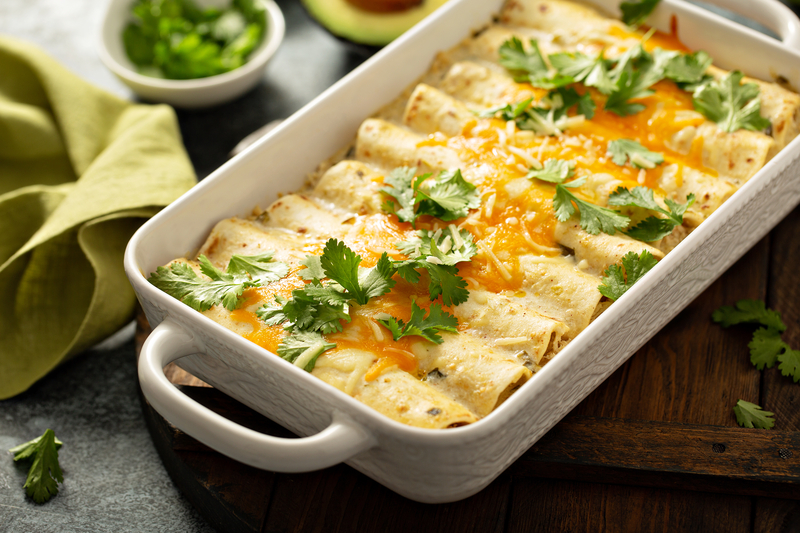

 Swapping a 2-quart dish for something else changes how deep your food sits, and depth is what controls bake time. A 2-quart baking dish holds about 8 cups of volume. Finding a reliable equivalent for a 2 quart baking dish is simple once you compare capacities.
 Heat moves from the edges of the pan toward the center. The longer that trip, the longer your food needs in the oven. Surface area sets the depth. An 8×8 square pan gives you 64 square inches of base. A 9×13 gives you 117 square inches, nearly double.
 A deeper substitute, like a 2-quart soufflé dish, an oval casserole, or a tall round casserole dish, stacks your food higher in a smaller footprint.
 Going wider spreads everything thin, and thin food cooks fast. Move a 2-quart casserole into a wide rectangular pan like a 9x13x2 rectangular pan and it might finish 10 to 15 minutes early.
 The material matters as much as the shape. Glass and ceramic heat slowly but hold that heat for a long time. For a Pyrex baking dish or a stoneware Le Creuset casserole dish, lower the oven by 25°F and add a few minutes.
 A 2-quart baking dish holds approximately 8 cups of food or liquid. Common equivalents include an 8 × 8-inch square baking dish or an 11 × 7-inch baking dish, provided the dish has a suitable depth.


