How Many Layers in Lasagna? Understanding the Perfect Layering Technique
Most traditional lasagna recipes call for three to four layers of pasta, though the exact number depends on your pan size and how thick you want each layer to be.
There’s no single rule that applies to every kitchen, but understanding the basic structure helps you build a dish that holds together and cooks evenly.
Layered lasagna gets its reputation as comfort food from the way each layer builds on the last, creating a balance of pasta, sauce, cheese, and filling in every bite. Too few layers and the dish feels thin; too many and it can turn dense or fall apart when you slice it.
This guide breaks down how many layers actually work best, what factors change that number, and how to adjust the layering process based on your pan, your ingredients, and how you like your lasagna to hold together on the plate.
The Ideal Layer Count for Most Lasagnas
Most home cooks find success with three to four layers, though your pan depth and personal preference play a role in the final decision. The right number of pasta layers depends on how you balance structural integrity against richness.
The Reliable Three-Layer Lasagna
Three layers give you a dependable result without much risk. You get three sheets of lasagna noodles, each topped with sauce, cheese, and filling, stacked in a way that holds together when sliced.
This structure works well if you’re new to making lasagna or short on time. It cooks slightly faster than taller versions, and you’re less likely to end up with a soggy middle layer.
A three-layer lasagna also fits comfortably in shallower pans, which many households already own. If your baking dish is closer to 2 inches deep rather than 3, this layer count keeps things proportional. You still get distinct pasta, sauce, and cheese in every bite without overloading the dish.
When Four Pasta Layers Work Best
Four layers suit you if you want a heartier, more substantial slice. This count adds one more round of noodles, sauce, and cheese compared to the three-layer version, which changes the texture and presentation noticeably.
You’ll need a pan with at least 3 inches of depth to accommodate four layers without the filling spilling over during baking. A standard 9×13 inch dish usually works, provided it has enough vertical space.
This layer count also gives you more control over ingredient ratios. You can spread the meat sauce, ricotta, and mozzarella more thinly across each layer instead of piling everything into just three. That thinner distribution often results in a more evenly cooked dish, since heat and moisture move through the layers more consistently.
Minimum and Maximum Practical Layers
Two layers is the practical minimum for something you’d still call lasagna. Below that, you’re closer to a baked pasta casserole than a true layered dish.
On the higher end, five to six layers is the realistic maximum for most home kitchens. Beyond that, you run into problems with pan depth, cooking time, and structural integrity. The bottom layers can turn mushy while the top browns, since heat takes longer to penetrate a taller stack.
Layer Count
Best For
Pan Depth Needed
2 layers
Quick, casual meals
2 inches
3-4 layers
Standard family dinners
2.5-3 inches
5-6 layers
Special occasions, deep dishes
3.5+ inches
If you want more than six layers, use a springform pan or deep casserole dish designed for taller bakes.
Build Each Layer in the Right Order
The order of your layers determines whether your lasagna holds together or falls apart on the plate. Each component has a specific job, from preventing sticking to sealing in moisture, so following the sequence matters as much as the ingredients themselves.
Start With Sauce to Prevent Sticking
Spread a thin layer of meat sauce or marinara across the bottom of your baking dish before adding any pasta. This step keeps the lasagna noodles from sticking to the pan and burning during baking.
Aim for just enough sauce to lightly coat the surface, roughly half a cup for a standard 9×13 inch dish. Too much at this stage makes the bottom soggy rather than tender.
If you’re using béchamel sauce instead of or alongside meat sauce, the same rule applies. A light base layer protects the pasta and sets up even cooking from the first layer to the last.
Add Pasta Sheets and the Filling
Lay your pasta sheets flat over the sauce, keeping the edges close but not overlapping. Overlapping creates uneven thickness and makes slicing difficult later.
On top of the pasta, spread your ricotta mixture, which typically combines ricotta cheese with egg, salt, and sometimes parmesan for added flavor. Follow with a layer of meat sauce, spreading it evenly to the edges of the dish.
Here’s the typical stacking order for each middle layer:
Pasta sheets
Ricotta mixture
Meat sauce
Shredded mozzarella
Repeat this sequence for each layer, adjusting the amount of filling based on how many layers you’re building. Three to four repetitions is standard for most home recipes.
Finish With Sauce and Mozzarella
The top layer sets the finish and texture of the whole dish. Place your final pasta sheet, then cover it generously with meat sauce or béchamel sauce so no dry edges are exposed.
Sprinkle a heavier layer of mozzarella on top compared to the inner layers. This creates the golden, slightly crisp finish most people expect from a finished lasagna.
Adding a light dusting of parmesan alongside the mozzarella improves browning during the last uncovered minutes of baking. Cover with foil for most of the bake time, then remove it near the end so the cheese can brown properly.
Match the Layers to Your Pan and Pasta
Your pan size and pasta type determine how many layers your lasagna can hold and how many noodles you’ll need for each one. Getting these details right prevents overflow, uneven cooking, and mushy or undercooked pasta.
Choosing Layers for a Standard 9-by-13-Inch Pan
A 9-by-13-inch pan is the most common size for home lasagna, and it works best with 3 to 4 layers. This pan depth allows enough room for sauce, cheese, and pasta to cook evenly without drying out or collapsing.
Each layer typically requires 3 to 4 pasta sheets, depending on whether you’re using standard or no-boil noodles. Across a full lasagna, that adds up to 12 to 16 noodles total.
The All-Clad Stainless Steel Rectangular Baking Pan 9″ x 13″ is a durable, professional-quality baking pan made with tri-ply stainless steel and aluminum construction for even heat distribution. Its 9 × 13-inch rectangular size makes it versatile enough for roasting, cookies, brownies, baked pasta dishes, and casseroles.
It’s also a good choice for lasagna. The generous rectangular shape is well suited to layered dishes such as lasagna, while the durable stainless-steel construction can handle high oven temperatures. All-Clad specifically lists its 9 × 13-inch rectangular pan as ideal for lasagnas and casseroles.
Here’s a rough breakdown:
Layers
Noodles Needed
Best For
3 layers
9-12 sheets
Lighter, quicker bake
4 layers
12-16 sheets
Classic, well-balanced texture
Going beyond 4 layers in this pan size often causes overflow during baking.
Adjusting for Deep-Dish Pans
Deep-dish pans have more vertical space, so they can support 5 or more layers without becoming unstable. The extra pan depth gives sauce and cheese room to expand as they heat, reducing the risk of spillover.
Because these pans hold more volume, you’ll need proportionally more pasta sheets per layer, sometimes 4 to 5 instead of 3 to 4. This also means increasing your sauce and cheese quantities to keep each layer moist.
If you’re using a deep-dish pan but keep the same ingredient amounts as a standard recipe, your lasagna may turn out dry or under-layered. Match your recipe‘s ingredient volume to the pan’s depth, not just its footprint, to keep the ratios correct.
Fresh, Dried, and No-Boil Noodles
The type of lasagna noodles you choose affects both texture and how many layers you can comfortably build.
Fresh pasta sheets cook quickly and stay tender, making them a good choice for lighter, 3-layer lasagnas.
Dried noodles need boiling first and hold their shape well, working reliably in both standard and deep-dish pans.
No-boil noodles absorb moisture from the sauce as they bake, so they require extra sauce coverage to avoid becoming tough.
If you’re stacking 5 or more layers, dried or no-boil noodles tend to hold structure better than fresh pasta, which can become too soft under heavier layering. Match your noodle type to your layer count for the most consistent texture.
Traditional Italian and American-Style Approaches
Italian and American lasagna differ mainly in pasta thickness, layer count, and the choice between ricotta and béchamel sauce. These differences affect texture, richness, and how the final dish holds together on your plate.
Traditional Italian Lasagna With Thin Pasta Sheets
Traditional Italian lasagna relies on thin pasta sheets, often rolled fresh rather than dried. This creates a more delicate structure with 2 to 3 distinct layers.
You’ll notice the focus stays on texture contrast rather than height. Each sheet is meant to be tender, not thick or chewy.
Italian versions typically pair pasta with meat sauce, known as ragù, rather than piling on multiple fillings. Bologna’s classic lasagna alla bolognese follows this exact method, using thin pasta to let the ragù and béchamel take center stage.
Ricotta-Based American Lasagna
American-style lasagna centers on a ricotta mixture, usually combined with egg, parmesan, and seasoning for added structure and flavor. This mixture spreads easily between layers and creates a creamier, denser bite.
You’ll typically find 4 to 5 layers in this style, alternating pasta, ricotta mixture, meat sauce, and mozzarella. The ricotta cheese adds moisture and helps bind the layers together, which makes slicing and serving more consistent.
This approach works well if you prefer a heartier, more filling dish. It’s also more forgiving for home cooks, since ricotta mixture helps hold the structure even if your sauce ratio isn’t perfect.
Using Béchamel Instead of Ricotta
Béchamel sauce, made from butter, flour, and milk, replaces ricotta in many traditional Italian lasagna recipes. It creates a smoother, silkier texture between layers instead of the thicker consistency ricotta provides.
You’ll notice béchamel spreads more evenly and blends into the pasta, resulting in a less segmented bite. This method is common in Northern Italian recipes, where richness comes from the sauce itself rather than added cheese.
If you want a lighter, more uniform texture, béchamel is the better choice. It also pairs well with meat sauce, since it doesn’t compete with the richness of the ragù.
Keep the Lasagna Stable and Easy to Slice
A lasagna that holds its shape depends on controlling moisture, avoiding overcrowded layers, and letting the dish rest before you cut into it. Each of these factors affects the structural integrity of your layered lasagna once it comes out of the oven.
Control Sauce and Filling Moisture
Excess liquid is the main reason lasagna falls apart when you serve it. Meat sauce should be simmered until thickened, not watery, so it doesn’t pool between the noodles.
If you’re using ricotta cheese, drain any excess liquid first or mix it with an egg to help it set firmly during baking. This binds the ricotta layer instead of letting it stay loose and runny.
A few practical checks before assembling:
Sauce consistency: it should coat a spoon, not run off it.
Vegetables: pre-cook and drain watery ones like zucchini or spinach.
Cheese blend: avoid adding extra liquid, such as milk, unless a recipe calls for it.
Managing moisture at each stage keeps the layers distinct instead of sliding into each other.
Avoid Overfilling the Pan
Pan depth limits how many layers you can stack without compromising stability. A standard 9×13-inch dish is roughly 2 to 3 inches deep, which typically supports three to four layers of noodles, sauce, and filling.
Piling on too much sauce or cheese between layers adds weight and moisture that the noodles can’t support. This makes the finished lasagna prone to collapsing when sliced.
Leave about half an inch of space below the rim of the pan. This gives the layers room to set without spilling over during baking, and it keeps each layer thin enough to cook evenly and hold together.
Rest Before Cutting and Serving
Cutting lasagna immediately after it leaves the oven almost guarantees a messy slice. The layers are still loose, and the sauce hasn’t had time to firm up.
Let the dish sit for 15 to 20 minutes before serving. This resting period allows the cheese and sauce to reabsorb into the noodles, which stabilizes each layer.
Use a sharp knife for clean cuts, then transfer slices with a wide, flat spatula to keep the layers intact. Cutting too early is one of the most common reasons a well-assembled lasagna still falls apart on the plate.
Alternative Formats With Lasagna Flavors
You don’t need to stack noodles in a baking dish to enjoy lasagna. Soup and skillet versions deliver the same comfort food flavors with less effort and cleanup.
When Lasagna Soup Is the Better Choice
Lasagna soup gives you the taste of the classic dish in a fraction of the time. You break lasagna noodles into smaller pieces and cook them directly in the broth, skipping the layering and baking steps entirely.
This format works best when you’re short on time or don’t want to heat up a large oven. It’s also easier to portion for smaller households, since you can make just enough for a few bowls instead of a full pan.
Lasagna soup still includes the same core flavors: ground meat, tomato sauce, ricotta or mozzarella, and herbs like basil and oregano. You get a bowl of dollop ricotta on top instead of spreading it between layers, which keeps the texture creamy without the assembly work.
Simplified Skillet and Roll-Up Options
A skillet version cooks everything in one pan on the stovetop. You brown the meat, add sauce and broken noodles, then stir in cheese at the end instead of layering it.
This method cuts your cooking time significantly and reduces dishes, since you’re not using a baking dish and mixing bowls separately.
Roll-ups take a different approach: you spread ricotta and other fillings onto individual lasagna noodles, then roll them up before baking in sauce. This gives you portion-controlled servings without the need to cut and lift layers cleanly, which can be difficult with traditional lasagna.
Both formats keep the same essential flavors while adjusting the structure to fit your time and equipment.
FAQ: How Many Layers Are in Lasagna?
The number of layers in lasagna can vary depending on the recipe, pan size, and amount of filling. There is no single required number, but several layers are typically used to create a balanced lasagna.
How Many Layers Should Lasagna Have?
A typical lasagna has 3–4 layers of pasta, with layers of sauce, cheese, and other fillings between them. Some recipes use more layers for a taller, richer dish.
Is 3 Layers Enough for Lasagna?
Yes. Three layers of pasta can make a perfectly good lasagna, particularly when using a deep dish with generous amounts of sauce and filling between the layers.
Is 4 Layers of Lasagna Better?
Four layers can provide a taller lasagna with more distinct layers of pasta, sauce, cheese, and filling. The key is maintaining a good balance rather than simply adding more layers.
What Goes Between Lasagna Layers?
Common fillings include:
Tomato or meat sauce
Ricotta or béchamel
Mozzarella
Parmesan
Vegetables or meat
What Should the Top Layer of Lasagna Be?
The top is usually finished with sauce and cheese rather than leaving a sheet of pasta exposed. This helps prevent the pasta from drying out and creates a browned, melted topping.
Should the First Layer of Lasagna Be Sauce or Pasta?
Starting with a thin layer of sauce is often recommended. It helps prevent the bottom pasta from sticking to the baking dish and provides moisture for the noodles.
Can You Make Lasagna With Too Many Layers?
Yes. Excessively thick lasagna can be difficult to cook evenly, particularly if the center contains a large amount of filling. The layers should remain relatively thin and evenly distributed.
How Thick Should Each Lasagna Layer Be?
There is no exact measurement, but each layer should contain a moderate amount of sauce and filling rather than being heavily packed. This helps the lasagna cook evenly and makes it easier to serve.
Does the Number of Layers Affect Baking Time?
It can. A deeper lasagna with more layers may require additional time for the center to become thoroughly heated. Covering it during most of baking can help prevent the top from becoming overly brown.
What Is the Best Order for Lasagna Layers?
A common arrangement is:
Sauce → pasta → filling → cheese → sauce → pasta, repeated until the dish is filled, with sauce and cheese finishing the top.
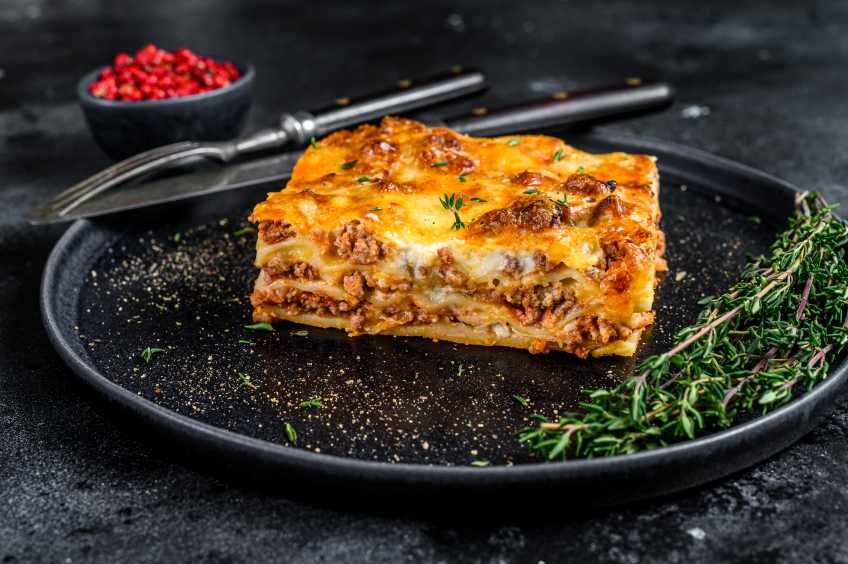


 Most home cooks find success with three to four layers, though your pan depth and personal preference play a role in the final decision. The right number of pasta layers depends on how you balance structural integrity against richness.
 The order of your layers determines whether your lasagna holds together or falls apart on the plate. Each component has a specific job, from preventing sticking to sealing in moisture, so following the sequence matters as much as the ingredients themselves.
 Your pan size and pasta type determine how many layers your lasagna can hold and how many noodles you’ll need for each one. Getting these details right prevents overflow, uneven cooking, and mushy or undercooked pasta.
 Italian and American lasagna differ mainly in pasta thickness, layer count, and the choice between ricotta and béchamel sauce. These differences affect texture, richness, and how the final dish holds together on your plate.
 A lasagna that holds its shape depends on controlling moisture, avoiding overcrowded layers, and letting the dish rest before you cut into it. Each of these factors affects the structural integrity of your layered lasagna once it comes out of the oven.
 You don’t need to stack noodles in a baking dish to enjoy lasagna. Soup and skillet versions deliver the same comfort food flavors with less effort and cleanup.


