How Does Baking Stimulate the Brain? Exploring the Cognitive Benefits of Baking Activities
Baking does more than fill your kitchen with a good smell.
It engages several parts of your brain at once, including areas that control focus, memory, and emotion.
When you measure, mix, and shape dough, your brain works through a mix of sensory input and problem-solving that few other daily tasks require.
You might already notice how calm you feel after a baking session. That’s not random. Your brain releases chemicals like dopamine and serotonin when you complete steps and see results, which helps explain why so many people turn to baking during stressful times.
This connection between baking and brain function goes deeper than mood. From memory recall to hand-eye coordination, baking asks your brain to work in ways that can support long-term mental sharpness. The rest of this article breaks down exactly how that happens.
Brain Reward Pathways And Anticipation
Baking triggers your brain’s reward system before you even taste the final product. The anticipation of a finished cake or loaf of bread activates the same pathways that respond to other rewarding experiences.
Dopamine And Goal-Directed Motivation
Dopamine drives your motivation to bake, and it starts working before you even preheat the oven. This brain chemical rewards you for working toward a goal, not just for reaching it.
When you measure flour or crack an egg, your brain releases small amounts of dopamine. This keeps you engaged in the process step by step.
The smell of cookies baking is a good example. Your brain links that scent to the reward that’s coming, so it releases dopamine in response.
This is why baking can feel satisfying even during the boring parts, like waiting for dough to rise. Your brain is already anticipating the payoff.
The Pleasure Of Completing A Recipe
Finishing a recipe gives you a clear sense of accomplishment tied to real brain chemistry. Completing a task activates reward circuits that make you feel capable and satisfied.
This feeling comes from more than just dopamine. Serotonin and endorphins also play a role, which can improve your mood and lower stress after you finish baking.
Recipes work well for this because they have a clear start and end point. You follow steps, watch progress happen, and see a finished result you can hold or eat.
This structure gives your brain a full reward cycle:
Anticipation while the item bakes
Completion when it’s done
Confirmation when you taste or share it
That full cycle is part of why baking often feels more rewarding than tasks without a clear finish line.
Sensory Processing During Baking
Baking uses your sense of smell, taste, touch, and sight at the same time. Your brain links these senses to past memories and uses them to guide your hands through each step.
Aromas, Flavors, And Memory
When you smell cinnamon or fresh bread, your brain sends that signal straight to a part called the olfactory bulb. This area sits close to the parts of your brain that store memory and emotion.
That’s why one whiff of a cookie in the oven can bring back a memory from years ago. You might picture a kitchen, a person, or a specific holiday without even trying.
Taste works the same way. Your tongue picks up flavors, but your brain fills in the rest using memory and past experience.
Here’s what happens as you bake:
Smell triggers recall – Certain scents pull up specific memories tied to that smell.
Flavor testing builds knowledge – Tasting batter or dough teaches your brain what “right” tastes like.
Emotional tags form – Your brain attaches feelings to these smells and tastes, which is why baking often feels comforting.
This connection between smell and memory is one reason baking feels personal, not just technical.
Touch, Texture, And Visual Cues
Your hands send constant feedback to your brain while you bake. Kneading dough, cracking an egg, or folding batter all rely on touch to tell you if something is right.
If dough feels too sticky or too dry, your hands notice before your eyes do. Your brain then adjusts your next move, like adding more flour or a splash of water.
Your eyes work alongside your hands. You watch color change as bread bakes or check if a cake is set in the middle.
This combination of touch and sight helps you catch small changes fast, such as:
Sensory Cue
What It Tells You
Dough springs back
It’s ready to shape
Batter looks glossy
It may need more mixing
Crust turns golden
Baking time is close to done
Edges pull from the pan
The bake is likely finished
Your brain processes all these signals together, not one at a time. This is what makes baking feel automatic once you’ve done it a few times.
Attention, Planning, And Executive Function
Baking asks your brain to focus, organize steps, and adjust when things don’t go as planned. This combination of skills is known as executive function, and it plays a big role in how well your bake turns out.
Following Steps And Managing Time
Every recipe has an order. You need to measure, mix, and bake in the right sequence, and that takes focus.
Your brain has to hold onto several pieces of information at once. This includes oven temperature, ingredient amounts, and how long something needs to bake.
This process uses your working memory, which is the part of your brain that stores and uses information in real time. You rely on it when you check a recipe, then go back to what you were doing without forgetting your place.
Timing also matters. If you’re baking bread and making a filling at the same time, you have to track two timelines at once. This trains your brain to manage attention across multiple tasks instead of just one.
Problem-Solving And Adaptation
Baking rarely goes exactly as planned. Maybe you run out of an ingredient, or your dough feels too sticky.
These moments force you to think on your feet. You have to figure out a substitute, adjust a ratio, or change your approach based on what you’re seeing and feeling.
This kind of thinking uses cognitive flexibility, which is your ability to switch strategies when the original plan doesn’t work. It’s the same skill you use when a recipe calls for buttermilk and you only have regular milk and lemon juice.
Baking also teaches you to notice small changes. A batter that looks too thin or a dough that’s too dry gives you information you have to respond to right away. Over time, this builds your ability to solve problems quickly and adjust without getting stuck.
Creativity And Self-Expression
Baking gives you a chance to make choices and put your own ideas into something real. Every step, from picking a recipe to adding the final touch, lets you express yourself.
Recipe Development And Personal Choice
When you bake, you make dozens of small decisions. You choose the flavors, the ingredients, and how much of each to use.
This process uses your brain’s problem-solving skills. You might swap an ingredient because you’re out of it, or add something new just to see how it tastes.
Each choice you make is a form of self-expression. It reflects your taste, your mood, and sometimes your culture or memories.
For example, you might add cinnamon to a recipe because it reminds you of a family tradition. This turns a simple recipe into something personal.
Trying new flavor combinations also builds cognitive flexibility. This means your brain gets better at adapting when things don’t go as planned.
Decorating And Aesthetic Decision-Making
Decorating is where your creativity really shows. You decide on colors, shapes, and patterns based on your own style.
This step asks you to think visually. You plan how something will look before you even start, then adjust as you go.
Some choices you might make when decorating include:
Color schemes – picking shades that match a theme or mood
Textures – using frosting, sprinkles, or fondant for different effects
Layout – deciding how to arrange decorations on a cake or cookie
These choices engage the part of your brain linked to visual-spatial thinking. This is the same skill used in art and design.
Decorating also lets you express emotions without words. A cheerful cupcake design might reflect happiness, while a simple, clean look might reflect calm focus.
Stress Regulation And Emotional Well-Being
Baking helps you manage stress by giving your mind a clear task to focus on and your body a chance to relax. It also connects you to positive memories and feelings that can boost your mood.
Mindful Repetition And Present-Moment Focus
When you measure, stir, and knead, your brain has to focus on the task in front of you. This kind of focus works like a simple form of mindfulness.
Repetitive actions, like whisking batter or folding dough, give your mind something steady to lock onto. This can help push aside racing thoughts or worries.
Following a recipe step by step also keeps you in the present moment. You have to pay attention to timing, texture, and measurements, which leaves less room for stress to take over.
Many people say baking feels calming for this exact reason. The routine and rhythm of the process can lower tension in the same way other mindful activities do, such as:
Deep breathing exercises
Gentle stretching
Coloring or drawing
Comfort, Nostalgia, And Emotional Associations
Baking often brings up memories tied to family, comfort, and past experiences. The smell of cookies or bread can trigger emotional responses linked to childhood or specific people in your life.
These emotional connections can boost feelings of comfort and safety. Your brain links certain scents and tastes to past moments, which can create a sense of calm or happiness in the present.
Sharing baked goods with others can also strengthen this effect. Giving someone a homemade treat often creates a feeling of connection, which supports emotional well-being.
For many people, baking becomes a way to recreate positive memories. This emotional link is one reason baking can feel soothing, even during stressful times.
Learning, Memory, And Skill Development
When you bake, your brain builds new pathways for movement and memory. Each time you repeat a recipe, you strengthen the mental steps needed to do it again, and this repetition builds real confidence in your skills.
Building Procedural Memory
Procedural memory is the type of memory you use for tasks you do with your hands. It helps you fold dough, measure flour, and time a batch of cookies without thinking about each step.
Every time you bake, you practice small motor skills like stirring, kneading, and pouring. These actions become smoother and more automatic the more you repeat them.
This is similar to how you learn to ride a bike or type on a keyboard. Your brain stores the pattern, so you don’t have to relearn it each time.
Baking often includes a set order of steps:
Measuring ingredients
Mixing in the right order
Adjusting oven time and temperature
Checking texture or color for doneness
Following this order again and again helps your brain hold onto the process, even weeks or months later.
Confidence Through Mastery
As your baking skills improve, you often feel more sure of yourself in the kitchen. This confidence comes from seeing real results, like a loaf of bread that rises correctly or cookies that come out even.
Mastering a recipe gives you a clear sense of progress. You can compare your first attempt to a later one and notice real improvement.
This kind of steady growth can boost your mood and reduce stress. Success in one small task, like baking a cake, can carry over into how you feel about tackling other challenges.
Over time, this builds a habit of trying new recipes or techniques. You trust your skills more, so you’re willing to take on harder baking projects, like laminated dough or multi-layer cakes.
Social Connection And Prosocial Effects
Baking often connects you to other people, not just your kitchen. It can strengthen bonds through sharing food and create teamwork skills when you bake with others.
Sharing Food And Strengthening Relationships
When you give someone baked goods, it activates your brain’s reward system. Research shows that giving to others boosts positive feelings for the giver, not just the person receiving the gift.
Bringing cookies to a coworker or leaving muffins for a neighbor is a small act of kindness. But these small acts add up over time.
Sharing food you made also builds trust between people. It shows care without needing many words.
Here’s what happens when you share baked goods:
Your mood improves through the act of giving
Social bonds grow stronger with repeated food-sharing
Trust increases between you and the recipient
Stress levels drop for both people involved
Studies on taste and behavior found something interesting too. People who taste something sweet tend to act more kindly toward others afterward compared to those who taste something salty.
Collaborative Baking Experiences
Baking with other people builds social skills you use every day. You practice talking, listening, and working as a team when you share a kitchen task.
Group baking requires you to plan together. You might divide steps, like one person measuring flour while another mixes wet ingredients.
This teamwork builds communication skills. You learn to give feedback, ask for help, and solve small problems as they come up.
Social connection is one of the strongest factors linked to good mental health. Baking with family or friends gives you a built-in way to build that connection.
Consider these common group baking scenarios:
Setting
Social Benefit
Baking with kids
Teaches patience and builds family bonds
Baking with a partner
Improves teamwork and communication
Community baking events
Creates a sense of belonging
Baking classes
Builds new friendships around a shared interest
Working alongside others toward a finished product, like a cake or batch of bread, gives you a shared sense of achievement. That feeling of success is stronger when you share it with someone else.
Factors That Shape Individual Responses
Not everyone’s brain reacts to baking the same way. Your past experiences, current mood, and even how well you slept the night before all affect how much of a mental boost you get from time in the kitchen.
Personal Preferences And Prior Experience
If you enjoy baking, your brain responds more strongly to it. Doing an activity you like triggers a bigger release of dopamine, a chemical linked to pleasure and motivation.
Your skill level matters too. If you’ve baked for years, familiar tasks like kneading dough or measuring flour feel automatic. This frees up mental space for creativity, like trying new flavors or decorations.
If you’re new to baking, your brain works harder to follow steps and solve problems. This can still be rewarding, but it may feel more like a challenge than a relaxing task.
Past memories also shape your response. Baking a recipe passed down from a family member can bring up positive emotions tied to that memory.
Sleep, Hunger, And Mental Health Considerations
Your physical and mental state changes how baking affects you. Poor sleep can lower your focus, making it harder to follow a recipe or catch mistakes.
Hunger plays a role as well. If you’re baking on an empty stomach, you may feel distracted or irritable, which can reduce the calming effects baking usually offers.
Your mental health matters too:
Stress or anxiety: Baking’s repetitive steps, like stirring or shaping dough, can help calm your mind.
Depression: Low motivation may make starting a baking project harder, even if it could improve your mood.
Sensory sensitivities: Strong smells or messy textures may feel overwhelming rather than soothing for some people.
Your current state on any given day changes how much benefit you get from baking.
Practical Ways To Support Cognitive Benefits
You can get more brain benefits from baking by choosing the right recipes and setting up a calm workspace. Both steps help you focus better and enjoy the process more.
Choosing Appropriate Recipes
Pick recipes that match your skill level. A recipe that is too hard can cause frustration instead of mental engagement.
Start with recipes that have clear steps and a few key techniques. This gives your brain a good workout without overwhelming you.
Intermediate: Layer cakes, yeast breads, or pie crusts
Advanced: Laminated dough, multi-component desserts, or sourdough
As you get more comfortable, try adding new steps or ingredients. This keeps your brain challenged and builds new skills over time.
You can also rotate between familiar and new recipes. Familiar recipes reinforce memory, while new ones build problem-solving skills.
Creating A Low-Stress Kitchen Environment
A calm kitchen helps you think clearly and enjoy baking. Clutter and noise can make it harder to focus on the steps.
Start by clearing your counter space. Keep only the tools and ingredients you need for the current recipe.
Good lighting also matters. It helps you read instructions and measure ingredients without straining your eyes.
Try these simple changes to reduce stress while baking:
Set out all ingredients before you start
Use a timer to avoid rushing
Play soft background music if it helps you relax
Keep a damp cloth nearby for quick cleanup
Give yourself enough time to bake without rushing. A relaxed pace supports better focus and makes the process more enjoyable.
FAQ: How Does Baking Stimulate the Brain?
Baking involves more than following a recipe. It engages several senses and mental processes, including attention, memory, creativity, and decision-making. The combination of structured tasks and sensory experiences can make baking mentally engaging and enjoyable.
How Does Baking Stimulate the Brain?
Baking stimulates the brain by requiring attention, planning, sensory processing, and coordination. Measuring ingredients, following instructions, monitoring cooking time, and adjusting techniques all require different cognitive skills.
Does Baking Improve Concentration?
Yes, baking requires sustained attention to measurements, timing, temperatures, and instructions. Focusing on these details can provide an opportunity to practice concentration.
Can Baking Stimulate Creativity?
Yes, baking provides opportunities for creative thinking through decorating, choosing flavors, experimenting with ingredients, and presenting finished foods.
Sight: color, shape, and texture indicate how food is developing.
Can Baking Help With Memory?
Baking can involve memory through repeated recipes, familiar techniques, and sensory associations. Familiar smells and flavors may also trigger memories because smell is closely connected with brain regions involved in memory and emotion.
Does Baking Help Relieve Stress?
Baking may feel relaxing because it provides a structured activity that requires attention and can create a sense of accomplishment. However, its effects on stress vary between individuals.
How Does Baking Exercise the Brain?
Baking combines several mental tasks, including planning, measuring, sequencing, problem-solving, and sensory judgment. These processes require the brain to coordinate information from different sources while completing a practical task.
Can Learning to Bake Improve Problem-Solving Skills?
Baking can encourage problem-solving when something does not go as expected. A baker may need to identify why a cake did not rise, why cookies spread too much, or how to adjust a recipe.
Why Does Baking Feel Rewarding?
Completing a baked recipe provides a visible result from a series of planned actions. The combination of completing a task, creating something, and potentially sharing it with others can contribute to a feeling of accomplishment.
Is Baking Good for Mental Well-Being?
Baking can be a positive recreational activity that combines creativity, routine, sensory stimulation, and social interaction. It should not be considered a treatment for mental health conditions, but many people find it enjoyable and relaxing.


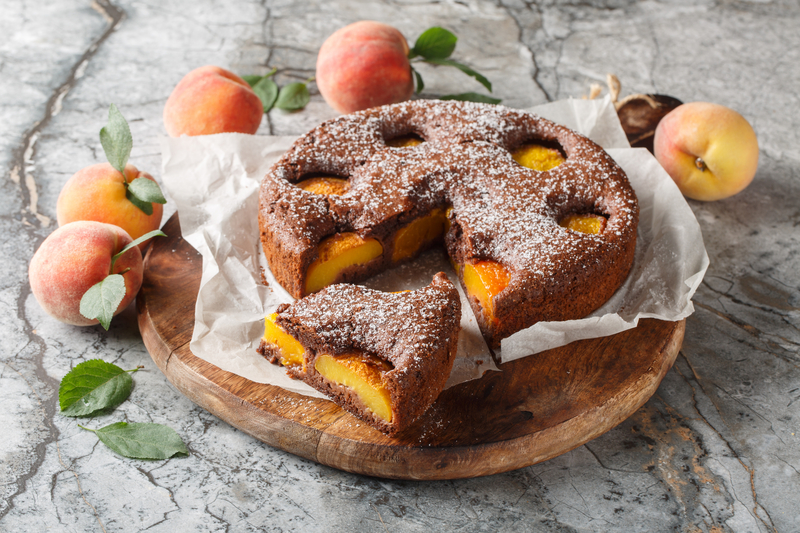 Baking triggers your brain’s reward system before you even taste the final product. The anticipation of a finished cake or loaf of bread activates the same pathways that respond to other rewarding experiences.
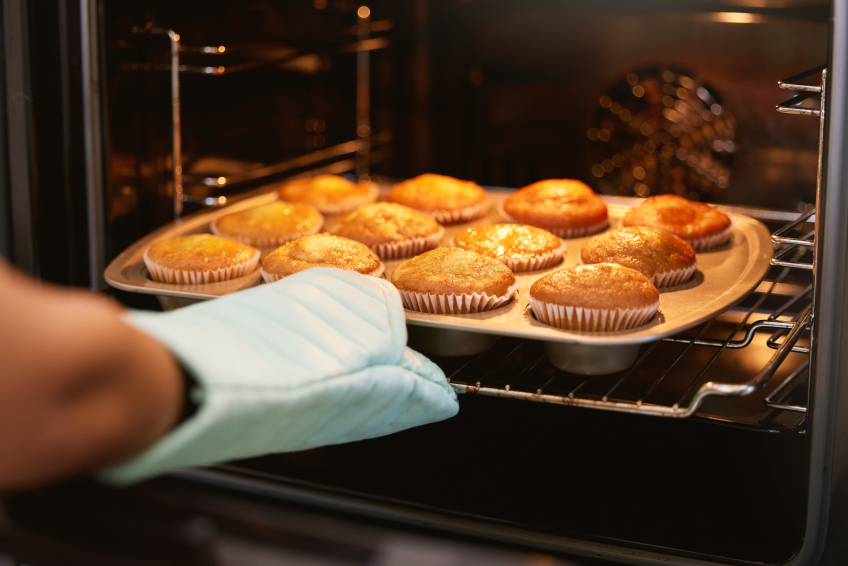 Baking uses your sense of smell, taste, touch, and sight at the same time. Your brain links these senses to past memories and uses them to guide your hands through each step.
 Baking asks your brain to focus, organize steps, and adjust when things don’t go as planned. This combination of skills is known as executive function, and it plays a big role in how well your bake turns out.
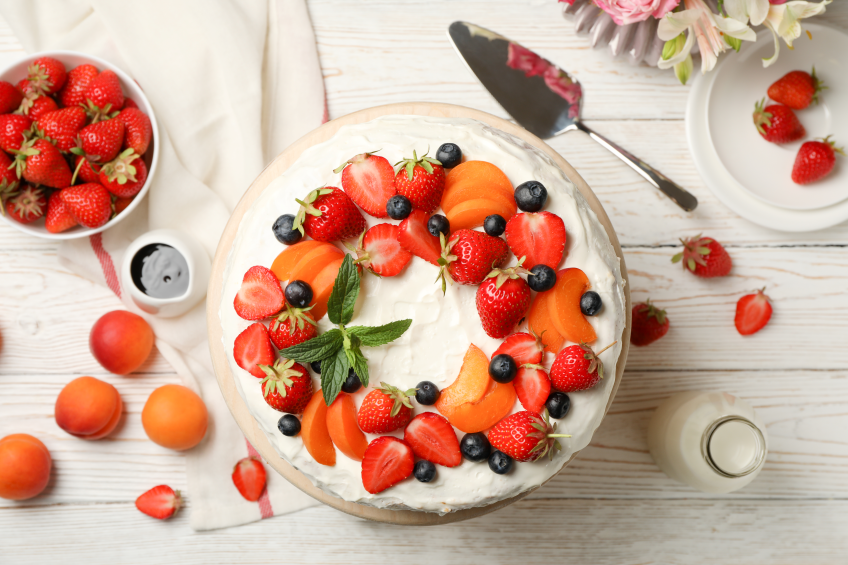 Baking gives you a chance to make choices and put your own ideas into something real. Every step, from picking a recipe to adding the final touch, lets you express yourself.
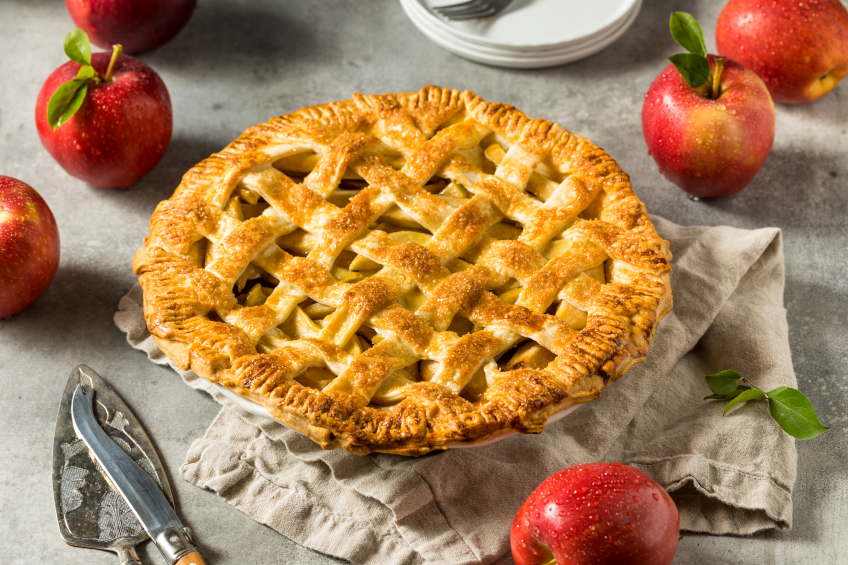 Baking helps you manage stress by giving your mind a clear task to focus on and your body a chance to relax. It also connects you to positive memories and feelings that can boost your mood.
 When you bake, your brain builds new pathways for movement and memory. Each time you repeat a recipe, you strengthen the mental steps needed to do it again, and this repetition builds real confidence in your skills.
 Baking often connects you to other people, not just your kitchen. It can strengthen bonds through sharing food and create teamwork skills when you bake with others.
 Not everyone’s brain reacts to baking the same way. Your past experiences, current mood, and even how well you slept the night before all affect how much of a mental boost you get from time in the kitchen.
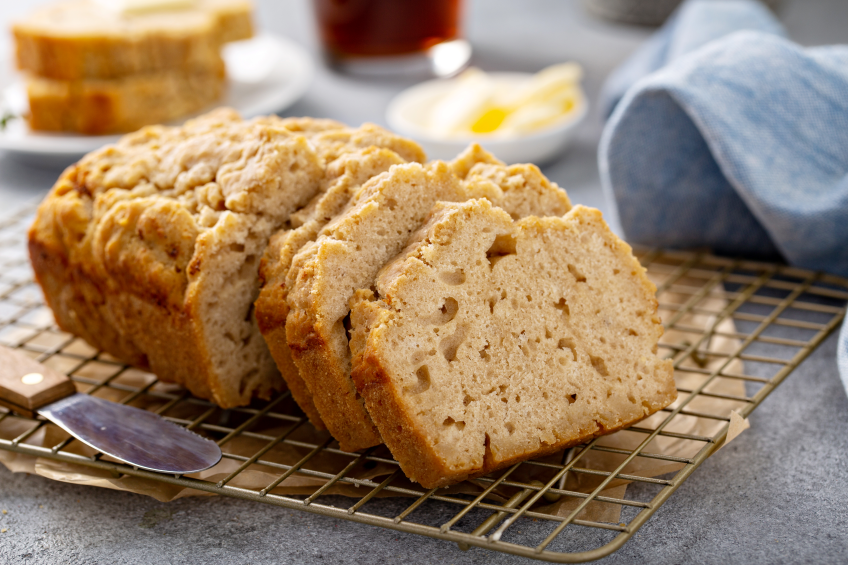 You can get more brain benefits from baking by choosing the right recipes and setting up a calm workspace. Both steps help you focus better and enjoy the process more.
 Baking involves more than following a recipe. It engages several senses and mental processes, including attention, memory, creativity, and decision-making. The combination of structured tasks and sensory experiences can make baking mentally engaging and enjoyable.