How Long Does It Take to Bake Lasagna at 350? Timing Guide
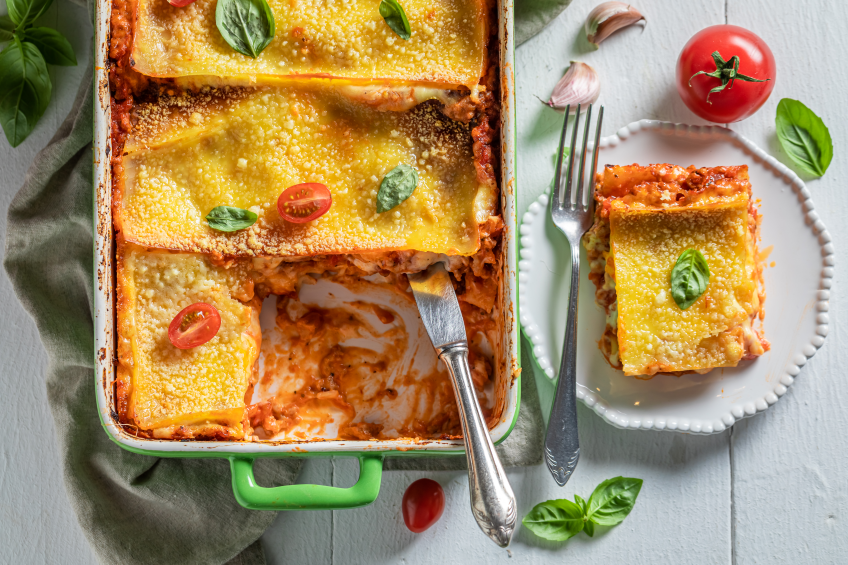
Bake lasagna at 350°F for about 50 to 60 minutes, then let it rest for 15 minutes before you cut into it.
This applies to most homemade lasagna made in a standard 9×13 inch pan.
Your exact bake time depends on a few things. Fresh lasagna, frozen lasagna, and no-boil noodles all need different amounts of time in a 350°F oven. Covering your dish with foil for part of the bake also changes how the top layer turns out.
You want your lasagna hot all the way through, with tender noodles and melted cheese on top. Getting the time and temperature right helps you avoid a dry top layer or a cold center. The next sections break down exact times for different situations, so you can plan your bake with confidence.
Quick Answer: Expected Bake Times at 350°F
Most lasagna recipes need 45 to 75 minutes at 350°F, depending on whether the dish is fresh, chilled, or frozen. Your exact bake time also depends on pan size, how many layers you have, and whether you cover the dish with foil.
Standard Homemade Lasagna Timing
If you’re making lasagna from scratch with fresh ingredients, plan for 45 to 60 minutes at 350°F. This works for a standard 9×13 inch pan with pre-cooked noodles and pre-cooked meat.
Your bake time will run longer if you use raw meat or uncooked noodles. In those cases, add 30 to 40 extra minutes so the noodles soften and the meat cooks through fully.
A refrigerated lasagna, made ahead and chilled for a few hours or overnight, takes longer to heat through. Expect 65 to 85 minutes total since the cold center needs more time to reach a safe temperature.
Pan size matters too. A smaller or shallower dish bakes faster, while a deep 9×13 pan with several layers takes longer to heat evenly.
Covered and Uncovered Baking Schedule
Covering your lasagna with foil for most of the bake time keeps moisture in and stops the top from drying out. Here’s a simple breakdown you can follow:
Covered: Bake for 30 to 55 minutes, depending on whether your lasagna is fresh or chilled.
Uncovered: Remove the foil for the last 10 to 20 minutes so the cheese browns and bubbles.
Spray the underside of your foil with cooking oil before covering the dish. This keeps the cheese from sticking to the foil when you remove it.
Skipping the covered stage can dry out your lasagna and burn the cheese before the inside is fully cooked. If you’re using no-boil noodles, keep the dish covered until the final 5 to 10 minutes so the noodles get enough moisture to cook properly.
When to Start Checking for Doneness
Start checking your lasagna around the 35-minute mark, even if your recipe calls for a longer bake time. Some ovens run hotter than others, so your lasagna might finish faster than expected.
The most reliable way to check doneness is with a food thermometer. Insert it into the center of the dish and look for a reading of at least 165°F, which is the safe internal temperature for cooked meat and dairy dishes.
Visual cues like bubbling edges or melted cheese can be misleading. Your lasagna might look done on the outside while the center is still cold, especially if it was refrigerated or frozen before baking.
Once your lasagna hits 165°F, let it rest for 15 minutes before cutting. This gives the layers time to set so your slices hold together instead of sliding apart.
Bake Times by Lasagna Type
The type of lasagna you make changes how long it needs to bake at 350°F. Noodle type, starting temperature, and whether you use raw or cooked meat all affect the total time.
Lasagna With Pre-Cooked Noodles
If you boil your lasagna noodles first, your bake time at 350°F will run about 45 to 55 minutes. The noodles are already soft, so the oven time is mainly about melting the cheese and heating the layers all the way through.
Cover the dish with foil for the first 30 minutes. This traps steam and keeps the top from drying out.
Remove the foil for the last 15 to 20 minutes so the cheese can brown. Check the center with a food thermometer. It should read 165°F before you take it out.
No-Boil Noodle Lasagna
No-boil noodles, also called oven-ready noodles, need more time and more liquid than pre-cooked ones. At 350°F, plan on 55 to 65 minutes total.
These noodles absorb moisture from the sauce as they bake, so you need enough liquid in each layer or the noodles will stay hard. Use at least 1.5 cups of sauce per layer to avoid this problem.
Keep the dish covered with foil for most of the bake time. This holds in the moisture the noodles need to soften properly.
Uncover it for the last 10 to 15 minutes to brown the top. If the center noodles still feel firm after 65 minutes, add 5-minute increments until they soften.
Refrigerated Make-Ahead Lasagna
If you assemble your lasagna ahead of time and refrigerate it, expect to add 15 to 25 minutes to the standard bake time. A cold dish takes longer to heat through in the middle, even though the oven temperature stays at 350°F.
Take the lasagna out of the fridge while the oven preheats. This isn’t required, but it can shave a few minutes off your total time.
Keep it covered with foil for the first 30 to 40 minutes. This step matters more here, since cold layers are more likely to dry out before the center heats up.
Always check the internal temperature before serving. It needs to hit 165°F in the middle, not just around the edges.
Frozen Lasagna
Baking lasagna straight from frozen takes the longest. At 350°F, plan on 90 minutes to 2 hours, depending on the size of your pan.
Keep the dish tightly covered with foil for at least the first hour. This prevents the top and edges from burning before the center thaws and cooks.
A frozen lasagna heats unevenly if you rush it. The outer layers can look done while the middle stays cold or icy.
Use a food thermometer to check the center once the lasagna has baked for at least 90 minutes. If it hasn’t reached 165°F, keep baking in 10-minute intervals until it does.
Lasagna Made With Raw Meat
If your lasagna recipe calls for raw ground beef instead of pre-cooked meat, you need to build in extra time and extra caution. At 350°F, this can add 15 to 20 minutes to your total bake time, since the meat needs to reach a safe temperature along with everything else.
Raw ground beef must reach 160°F to be safe to eat. Because it’s mixed into the layers, this can take longer to check accurately with a thermometer.
For more reliable results, brown the ground beef in a skillet before assembling the lasagna. This cuts down on bake time and lowers the risk of undercooked meat in the finished dish.
How to Bake Lasagna for Even Results
Even cooking depends on more than just time and temperature. The dish you use, how you layer ingredients, and when you cover or uncover the pan all affect how your lasagna turns out.
Choosing the Right Baking Dish
Your baking dish affects how evenly the lasagna cooks. A glass or ceramic casserole dish holds heat well and spreads it evenly across the layers. Metal lasagna pans heat up faster, which can cook the edges before the center is done.
Stick to a 9×13 inch dish for standard recipes. This size lets heat reach the middle without drying out the edges. If you use a smaller or deeper dish, add extra time since the layers will be thicker.
Always check that your dish is oven-safe at the temperature you plan to use. Glass dishes can crack under sudden temperature changes, so avoid pulling one from the fridge and placing it straight into a hot oven.
Covering With Aluminum Foil
Covering your lasagna with aluminum foil traps steam and keeps the top layer from drying out. This helps the noodles cook fully and the cheese melt without burning.
Spray the underside of the foil with cooking oil before covering the dish. This stops the cheese from sticking to the foil when you remove it later. Tent the foil slightly so it doesn’t press down into the top layer of cheese.
Keep the lasagna covered for most of the cooking time. For a standard recipe at 350°F, this usually means about 45 to 55 minutes covered. Removing the foil too early can cause the top to brown before the inside finishes cooking.
Layering Sauce, Noodles, and Cheese
The order and amount of each layer affects how your lasagna cooks and holds together. Here’s a simple layering guide:
Bottom layer: A thin coat of tomato sauce to prevent sticking
Noodles: One layer, slightly overlapping
Cheese mixture: Ricotta cheese mixed with a little parmesan cheese
Sauce: A generous layer of tomato sauce
Mozzarella cheese: Shredded, spread evenly
Repeat: Continue layers until the dish is full, ending with sauce and mozzarella on top
If you’re adding a vegetable filling, spread it in thin layers so it cooks through at the same rate as the noodles and cheese. Thick pockets of vegetables can stay firm while the rest of the dish finishes cooking.
Even layering matters more than the number of layers. Uneven thickness leads to some parts cooking faster than others.
Uncovering to Brown the Top
Remove the foil during the last 15 to 20 minutes of baking. This step lets the mozzarella cheese and parmesan cheese on top turn golden and slightly crisp.
Watch the lasagna closely once it’s uncovered. Cheese can go from melted to burnt quickly, especially near the edges of the dish.
If the top browns too fast but the center isn’t fully heated, loosely tent the foil back over the dish for a few more minutes. This protects the cheese while the inside finishes cooking.
How to Know the Center Is Fully Cooked
The center of your lasagna tells you the most about whether it’s done. You can check it by reading the temperature, watching how the sauce and noodles look, and using your thermometer the right way.
Checking the Internal Temperature
The internal temperature is the most reliable way to know your lasagna is safe to eat. You want the center to reach at least 165°F. This is the same safe temperature used for other baked dishes with meat or dairy.
Check the temperature in the middle of the dish, not near the edges. The edges cook faster and can read hot even when the center is still cold.
If your lasagna reads below 165°F, put it back in the oven for another 10 to 15 minutes. Then check again before serving.
Looking for Bubbling Sauce and Tender Noodles
Visual signs can back up what the thermometer tells you. When lasagna is done, you’ll see sauce bubbling up around the edges and through the top layer of cheese.
The noodles matter too. Press a fork gently into the center of the dish. The noodles should feel soft and give way easily.
If the noodles feel stiff or you don’t see much bubbling, your lasagna likely needs more time in the oven. This is common if you used no-boil noodles or a deep baking dish, both of which can add to your lasagna baking time.
Using a Food Thermometer Correctly
A food thermometer gives you the clearest answer, but only if you use it the right way. Follow these steps:
Insert the thermometer into the very center of the dish, going through all the layers.
Avoid touching the bottom of the pan, since this can give a false high reading.
Wait a few seconds for the number to settle before you read it.
Check two or three spots in the center to confirm the temperature is even throughout.
Clean the thermometer probe with soap and water before and after use. This keeps your food safe and gives you an accurate reading each time you check.
Factors That Change the Baking Time
The 45-60 minute range at 350°F is a starting point, not a guarantee. Your pan, your ingredients, and your oven can each add or subtract 10-20 minutes from that estimate.
Pan Size, Depth, and Material
Your baking dish size changes how fast heat reaches the center. A deep 9×13-inch lasagna pan with four or five layers takes longer than a shallow dish with the same ingredients spread thin.
Glass dishes heat slowly but hold that heat once they warm up. Metal pans heat faster and brown the bottom layer better. If you switch from a metal pan to a glass one, add about 10 minutes to your bake time.
If you assemble your lasagna and put it straight in the oven while it’s still cold from the fridge, it needs extra time. Cold pasta, cold ricotta, and cold tomato sauce all pull heat away from the oven as they warm up.
A lasagna built a day ahead and baked cold can need 15-20 extra minutes compared to one made at room temperature. This matters most in the center of the dish, where heat arrives last.
To avoid guessing, let your assembled lasagna sit out for 20-30 minutes before baking. This small step shortens your total time in the oven and helps the middle cook at the same rate as the edges.
Sauce Quantity and Moisture Level
Too much tomato sauce or watery ricotta adds time to your bake and raises your risk of watery lasagna. Extra liquid has to cook off before the layers set, and that takes heat and time.
If your sauce is thin, simmer it on the stove first until it thickens slightly. This step alone can cut 10-15 minutes off your oven time.
Vegetables like zucchini or spinach release water as they cook, too. Salt and drain watery vegetables before layering them in. Skipping this step often means a soupy lasagna that needs 20 extra minutes just to firm up.
Oven Accuracy and Rack Position
Not every 350°F oven actually reaches 350°F. Older ovens or ones that haven’t been calibrated can run 20-25 degrees hotter or cooler than the dial shows.
An oven thermometer placed inside your oven tells you the real temperature. If your oven runs cold, your lasagna could need an extra 10-15 minutes.
Rack position matters, too. The center rack gives the most even heat. A rack placed too high can burn the cheese before the center is fully cooked, while a rack too low can leave the top pale and undercooked.
Resting, Serving, and Avoiding Common Problems
Once your lasagna comes out of the oven, a few small steps make a big difference. Resting time, proper slicing, and a couple of easy fixes can turn a good lasagna into a great one.
Why Lasagna Needs to Rest Before Slicing
Let your lasagna rest for 15 to 20 minutes before you cut into it. This is not optional if you want clean slices.
While it bakes, the cheese and sauce inside stay loose and hot. As it cools slightly, the layers firm up and hold together better.
If you skip this step, the layers can slide apart on the plate. You will end up with a messy pile instead of a neat slice.
Resting also helps the flavors settle. The cheese, sauce, and noodles blend together better once the dish cools a bit.
Cover the lasagna loosely with foil while it rests. This keeps it warm without trapping too much steam on top.
How to Fix Undercooked or Dry Lasagna
Undercooked lasagna usually has hard noodles or a cold center. If you notice this after cutting a slice, return the dish to the oven.
Cover it with foil and bake at 350°F for another 10 to 15 minutes. Check the center with a fork to test if the noodles are soft.
Dry lasagna is a different problem. It often happens when there is not enough sauce between the layers or the dish bakes too long without cover.
To fix a dry lasagna, add a bit of warm marinara or tomato sauce on top before reheating. You can also cover it tightly with foil to trap moisture while it warms back up.
For homemade lasagna, using a moist filling and enough sauce from the start helps prevent both issues.
How to Prevent Watery Lasagna
Watery lasagna is one of the most common problems home cooks face. It usually comes from too much liquid in the ricotta, sauce, or vegetables.
Here are simple ways to avoid it:
Drain your ricotta if it looks watery before mixing it with eggs and seasoning.
Cook your meat sauce down until it thickens, rather than using it straight from the pot.
Squeeze excess water from vegetables like zucchini or spinach before adding them.
Let the lasagna rest after baking, since this helps liquid reabsorb into the layers.
Using no-boil noodles can also help since they absorb more liquid as they cook. If your lasagna still turns out watery, try baking it uncovered for the last 10 minutes to help extra moisture evaporate.
Consider a High-Quality Ceramic Baking Dish for Lasagna
When it comes to creating the perfect lasagna, having the right baking dish can make all the difference. A high-quality ceramic baking dish not only ensures even cooking but also enhances the presentation of your delicious layers of pasta, sauce, and cheese.
Consider one of the best baking dishes for lasagna, providing you with a detailed description and why it’s an excellent choice for your culinary adventures.
The Emile Henry Modern Classics Rectangular Baker
The Emile Henry Ceramic Baking Dish is a top-tier ceramic baking dish that stands out for its combination of form and function. Crafted by the renowned French manufacturer Emile Henry, this dish is a testament to their dedication to producing high-quality ceramics for over 170 years.
Why It’s the Best?
The Emile Henry Modern Classics Rectangular Baker excels in all the crucial aspects of a great baking dish. Its exceptional heat retention ensures even cooking, resulting in perfectly baked lasagna with crispy edges and a gooey, cheesy center.
In the world of lasagna baking dishes, the Emile Henry Ceramic Baking Dish stands out as the best choice for both home cooks and culinary enthusiasts. Its exceptional craftsmanship, large capacity, and elegant design make it a versatile and stylish addition to your kitchen.
FAQ: How Long Does It Take to Bake Lasagna at 350°F?
Baking lasagna at 350°F (175°C) allows the layers to heat evenly while the cheese melts and the flavors develop. The exact baking time depends on whether the lasagna is freshly assembled, refrigerated, or frozen.
How Long Does It Take to Bake Lasagna at 350°F?
A freshly assembled lasagna typically takes 45–60 minutes at 350°F (175°C). Covering it for most of the baking time helps prevent the cheese and edges from becoming too dry.
How Long Should Lasagna Bake Covered at 350°F?
Bake lasagna covered for about 30–40 minutes, then remove the foil for the final 10–20 minutes. This allows the center to heat through while giving the cheese a golden, lightly browned top.
How Long Should Lasagna Bake Uncovered at 350°F?
If baking lasagna uncovered, it generally takes around 40–50 minutes, although the exact time depends on the depth of the dish and the temperature of the ingredients when it goes into the oven.
How Do You Know When Lasagna Is Done?
Lasagna is ready when the sauce is bubbling around the edges, the cheese is melted and browned, and the center is thoroughly hot. For food safety, leftovers or previously cooked ingredients should reach 165°F (74°C) when reheated.
Does Lasagna Need to Rest After Baking?
Yes. Allow lasagna to rest for approximately 10–15 minutes before cutting. Resting gives the layers time to settle, making the slices easier to serve.
Can You Bake Cold Lasagna at 350°F?
Yes. Refrigerated lasagna can be baked at 350°F, but it may require additional time compared with a freshly assembled dish. Keep it covered initially to help the center heat without excessively browning the top.
How Long Does Frozen Lasagna Take at 350°F?
Frozen lasagna generally requires considerably longer than fresh or refrigerated lasagna, often around 1–2 hours, depending on its size and whether it was already cooked before freezing. Follow the package or recipe instructions when available.
Should Lasagna Be Covered With Foil When Baking?
Yes, covering lasagna with foil for most of the baking time helps retain moisture and prevents the cheese from browning too quickly. Remove the foil near the end to brown the top.
Can You Bake Lasagna at 350°F Without Boiling the Noodles?
Yes, some lasagna recipes use oven-ready or no-boil noodles, which cook as they absorb moisture from the sauce. Regular dried noodles may require different preparation depending on the recipe.
Why Is My Lasagna Still Cold in the Middle?
A cold center can occur when the lasagna is very thick, refrigerated, or placed in the oven before it has fully preheated. Allowing enough baking time and checking the center temperature can help ensure it is thoroughly heated.

 Bake lasagna at 350°F for about 50 to 60 minutes, then let it rest for 15 minutes before you cut into it.
 Most lasagna recipes need 45 to 75 minutes at 350°F, depending on whether the dish is fresh, chilled, or frozen. Your exact bake time also depends on pan size, how many layers you have, and whether you cover the dish with foil.
 The type of lasagna you make changes how long it needs to bake at 350°F. Noodle type, starting temperature, and whether you use raw or cooked meat all affect the total time.
 Even cooking depends on more than just time and temperature. The dish you use, how you layer ingredients, and when you cover or uncover the pan all affect how your lasagna turns out.
 The center of your lasagna tells you the most about whether it’s done. You can check it by reading the temperature, watching how the sauce and noodles look, and using your thermometer the right way.
 The 45-60 minute range at 350°F is a starting point, not a guarantee. Your pan, your ingredients, and your oven can each add or subtract 10-20 minutes from that estimate.
 Once your lasagna comes out of the oven, a few small steps make a big difference. Resting time, proper slicing, and a couple of easy fixes can turn a good lasagna into a great one.
 When it comes to creating the perfect lasagna, having the right baking dish can make all the difference. A high-quality ceramic baking dish not only ensures even cooking but also enhances the presentation of your delicious layers of pasta, sauce, and cheese.
 Baking lasagna at 350°F (175°C) allows the layers to heat evenly while the cheese melts and the flavors develop. The exact baking time depends on whether the lasagna is freshly assembled, refrigerated, or frozen.


