What Temperature Should Baked Ziti Be? A Guide for Perfectly Baked Pasta
Baked ziti should reach an internal temperature of 165°F before you serve it. This applies whether you just pulled it out of the oven or you’re reheating leftovers from the fridge. Checking the temperature with a food thermometer takes the guesswork out of the process.
The safest and most reliable way to know your baked ziti is ready is to check that it hits 165°F at the center of the dish.
This comfort food classic layers pasta, sauce, and cheese, which means heat can distribute unevenly if you rely on time alone. A thermometer gives you a clear answer instead of a guess.
Getting the temperature right also affects how your baked ziti tastes and feels when you eat it. Undercooked ziti can leave the center cold or the cheese unmelted, while overcooking dries out the noodles and burns the top layer. You’ll get the best results, and the safest meal, by paying attention to both time and temperature as you cook.
The Target Temperature for a Hot, Safe Center
Your baked ziti needs to hit 165°F (74°C) at its center to be safe to eat. This temperature also makes sure the cheese melts fully and the dish tastes its best.
Why 165°F (74°C) Is the Key Internal Temperature
The USDA sets 165°F (74°C) as the safe internal temperature for casseroles like baked ziti. At this point, harmful bacteria that can cause foodborne illness are killed off.
This matters most if your ziti has meat, like ground beef or sausage. Undercooked meat is one of the biggest food safety risks in a pasta bake.
Use a digital food thermometer to check the center of the dish. Insert it into the thickest part, away from the pan edges, since that spot heats up last.
Don’t guess based on how long the dish has been in the oven. Oven temperatures vary, and pan size changes cooking time too.
What a Properly Finished Casserole Looks Like
A finished baked ziti should look and feel a certain way, not just hit a number on a thermometer.
Here’s what to check:
Bubbling sauce: You should see sauce bubbling around the edges of the pan.
Melted cheese: The cheese on top should be fully melted, not just soft.
Golden-brown color: The top layer should turn golden brown, with some spots slightly darker.
Steam: Steam should rise from the center when you cut into it.
If your ziti looks cool or pale in the middle, it likely hasn’t reached a safe temperature yet. Give it more time and check again with your thermometer.
Set the Oven for Even Baking
Getting the right oven temperature matters just as much as the ingredients in your baked ziti. A properly set and calibrated oven helps the dish cook evenly, so the cheese melts and the pasta heats through at the same time.
Why 375°F (190°C) Is the Best Default Setting
375°F is the standard temperature for baked ziti, and for good reason. It heats the dish through without drying out the pasta or burning the cheese on top.
At this temperature, the sauce stays moist while the cheese browns and turns bubbly. Lower temperatures can leave the center cold. Higher ones risk scorching the top before the middle is hot.
Most baked ziti recipes call for 375°F (190°C) for 25 to 45 minutes, depending on:
Whether the dish is covered or uncovered
If the ziti starts cold, room temperature, or frozen
The depth and material of your baking dish
This setting works well for most standard 9×13-inch pans, making it a reliable starting point for almost any recipe.
How Oven Calibration Affects Timing
Not all ovens heat the way their dial or display says. Many home ovens run hotter or cooler than the set temperature by 15 to 25 degrees.
This gap is called oven calibration error. It can cause baked ziti to finish early, stay undercooked, or brown unevenly on top.
If your oven runs hot, your ziti might brown too fast while the center stays cool. If it runs cool, you may need extra time to melt the cheese and heat the dish fully.
Checking your oven’s actual temperature helps you avoid guessing. It also helps you adjust bake time with more confidence, especially if you bake ziti often.
Using an Oven Thermometer to Check Accuracy
An oven thermometer is a simple, low-cost way to check if your oven is heating correctly. Place it in the center of the oven, away from the walls, and let the oven preheat fully before checking the reading.
Compare the thermometer’s reading to your oven’s set temperature. If there’s a big difference, adjust the dial up or down to match your intended baking temperature.
For baked ziti, this step matters because even small temperature differences can affect texture and cook time. A reading that’s off by 20 degrees can mean the difference between a fully melted, bubbly top and one that’s still pale or undercooked in the center.
Checking your oven this way once a year, or after moving to a new home, helps keep your results consistent.
Bake Times for Fresh, Chilled, and Frozen Ziti
The right bake time depends on your dish’s starting temperature, not just the oven setting. A fresh casserole, a chilled one, and a frozen one each need different handling to reach a safe internal temperature without drying out.
Timing a Freshly Assembled Dish
If you just put your ziti together, plan on 30 to 45 minutes at 375°F. Keep the pan covered with foil for the first 20 to 25 minutes. This traps steam and keeps the pasta from drying out.
Uncover it for the last 10 to 15 minutes. This lets the cheese on top brown and get bubbly. Check that the center hits 165°F before pulling it out.
A standard 9×13-inch pan works best for this timing. If your dish is deeper or more packed with ingredients, add 5 to 10 extra minutes.
Adjusting Time for Refrigerated Casseroles
A ziti dish straight from the fridge needs more time than a fresh one. The cold center takes longer to heat through, even though the pan is the same size.
Add 10 to 15 extra minutes to your total bake time. Keep the oven at 375°F, but leave the foil on a bit longer before uncovering.
Here’s a quick comparison:
Starting Temp
Bake Time (Covered)
Bake Time (Uncovered)
Total Time
Room temperature
20-25 min
10-15 min
30-45 min
Refrigerated
25-30 min
15-20 min
45-55 min
Always check the center with a food thermometer. Don’t rely on time alone, since fridge temperatures and pan materials vary.
Baking Ziti Directly From Frozen
Frozen baked ziti needs the longest time in the oven. Keep it covered and bake at 375°F for 60 to 75 minutes. This slow, steady heat lets the inside thaw and cook without burning the top.
Remove the foil for the final 10 to 15 minutes. This step crisps up the cheese and gives it that golden color.
Skip thawing on the counter. Bacteria can grow if frozen food sits out too long at room temperature. Going straight from freezer to oven is safer.
This timing also works well for leftover baked ziti that you froze in a covered dish. When reheating baked ziti from frozen, always confirm the center reaches 165°F with a thermometer before serving.
How to Check Doneness Accurately
The most reliable way to know your baked ziti is done is to check the internal temperature with a food thermometer. You can also look for a few visual clues if you don’t have one on hand.
How to Use an Instant-Read Thermometer
An instant-read thermometer gives you a fast, accurate reading in just a few seconds. Push the probe straight down into the dish and wait for the number to settle before you read it.
Clean the probe with hot water or a sanitizing wipe before and after use. This step stops germs from spreading between the raw ingredients you handled earlier and the finished dish.
If your thermometer feels slow or gives strange readings, test it in a glass of ice water. It should read 32°F (0°C). If it’s off by more than a couple degrees, replace the batteries or get a new one.
Where to Measure the Center Temperature
The middle of the dish is always the coolest part, so that’s where you should check first. Insert the probe straight down into the thickest section of pasta, away from the edges of the pan.
Try to avoid touching the bottom or sides of the baking dish with the tip of the probe. Metal and glass hold heat differently than the pasta and sauce, so touching them can give you a false, higher reading.
Aim for an internal temperature of 165°F (74°C) at this center point. This number matches USDA food safety guidelines for casseroles that contain cheese and dairy.
If the center reads below this mark, put the dish back in the oven for a few more minutes. Check again in the same spot to track your progress.
Visual Signs That the Cheese and Sauce Are Ready
If you don’t have a thermometer, a few visual signs can help you judge doneness. These clues aren’t as exact, but they still give you useful information.
Look for:
Bubbling tomato sauce around the edges and in the center of the dish
Melted mozzarella that looks smooth and glossy, not dry or rubbery
Light golden-brown spots on top where the cheese has started to brown
Steam rising steadily from the middle of the pan, not just the edges
If the top looks done but the center still looks pale or cool, cover the dish with foil. This traps heat and lets the center catch up without burning the top.
Build and Bake Ziti Without Drying It Out
Dry baked ziti usually comes down to three things: undercooking the pasta before baking, skimping on sauce, and baking uncovered too long. Fixing these steps keeps your casserole moist from edge to center.
Cook Ziti Pasta Al Dente Before Baking
Boil your ziti pasta or penne for about 2 minutes less than the package instructions say. This keeps the pasta firm, or al dente, before it goes into the oven.
Ziti keeps cooking while it bakes. It soaks up sauce and moisture the whole time it’s in the oven.
If you boil it fully before baking, it turns mushy by the time it’s done. Undercooking it slightly at the start gives it room to finish without falling apart.
Salt your pasta water well, too. This adds flavor to the noodles themselves, not just the sauce on top.
Layer Sauce and Cheeses for Even Heating
Use plenty of tomato sauce or meat sauce between layers. This is the biggest factor in preventing dry ziti.
Toss your cooked pasta with sauce first, so every piece gets coated.
Then build your layers in a 9×13-inch baking dish:
First layer: Half the sauced pasta, mixed with ricotta cheese
Middle layer: Shredded mozzarella cheese
Second layer: Remaining pasta, topped with more sauce
Top layer: Mozzarella and grated parmesan cheese
Fold ricotta into the pasta instead of spreading it in a flat layer. This stops it from drying out and turning grainy.
You can also mix in provolone or pecorino for added flavor, or sauté onion into your sauce base for depth.
When to Use Aluminum Foil and When to Remove It
Cover your baking dish with aluminum foil for the first part of baking. This traps steam and keeps the top layer from drying out too fast.
Bake covered at 375°F for about 15 to 20 minutes. Then remove the foil and bake uncovered for another 10 to 15 minutes.
This last uncovered stretch lets the cheese on top turn golden brown and bubbly. If you skip the foil step entirely, the top can dry out or burn before the center heats through.
For make-ahead or frozen ziti, keep it covered longer. A frozen casserole needs about 1 hour covered, then 15 more minutes uncovered to finish browning.
Rest, Serve, Store, and Reheat Safely
Why Resting Improves Texture and Serving
After you pull baked ziti out of the oven, let it sit for 10 to 15 minutes before cutting into it.
This rest period allows the sauce to thicken slightly and the cheese to set. If you skip this step, the dish can look watery or fall apart when you serve it.
Resting also helps the temperature even out. The center of the dish is often much hotter than the edges right out of the oven.
Waiting a few minutes brings the whole pan closer to the same temperature. This makes it easier to serve clean portions without burning your mouth on a scorching center.
Pairing Baked Ziti With Simple Sides
Baked ziti is rich and filling, so light sides work best.
A green salad with a simple vinaigrette cuts through the richness of the cheese and sauce. The acidity balances the heavy pasta.
Garlic bread is a classic pairing. It’s useful for scooping up extra sauce left on the plate.
Roasted vegetables, like zucchini, broccoli, or bell peppers, add color and nutrients without competing with the main dish.
Here’s a quick reference for pairing:
Side Dish
Why It Works
Green salad
Adds acidity, balances richness
Garlic bread
Soaks up sauce, adds texture
Roasted vegetables
Adds nutrients, keeps meal balanced
Keep sides simple. The ziti is already the star of the meal.
Storing Leftovers in an Airtight Container
Leftover baked ziti needs to go into the refrigerator within two hours of cooking. Leaving it out longer raises the risk of foodborne illness.
Store it in an airtight container to keep out moisture and bacteria. Glass or plastic containers with tight-fitting lids work well.
If you have a large batch, split it into smaller portions before storing. This helps the ziti cool faster and makes reheating easier later.
Leftover baked ziti stays safe in the refrigerator for 3 to 4 days. If you won’t eat it within that time, freeze it instead.
Frozen baked ziti stays good for up to three months. Label the container with the date so you know when to use it by.
Reheating to a Safe Temperature
When reheating baked ziti, always check that it reaches an internal temperature of 165°F (74°C). This temperature kills harmful bacteria that can grow during storage.
Use a food thermometer to check the center of the dish, not just the edges. The center often heats up slower than the outer parts.
If you’re reheating in the oven, cover the dish with foil and bake at 350°F until it hits 165°F. This method helps keep moisture in and prevents the top from drying out.
For the microwave, add a splash of broth or sauce before heating. Cover the dish and stir halfway through for even heating.
Following these food safety steps protects you from illness and keeps your baked ziti tasting like it did the first time around.
FAQ: What Temperature Should Baked Ziti Be?
Baked ziti needs to be hot enough to heat the pasta and sauce thoroughly while allowing the cheese to melt and brown. The ideal oven temperature and internal temperature are slightly different considerations.
What Temperature Should Baked Ziti Be?
Baked ziti is typically cooked in an oven at 375°F (190°C). It should be heated until the sauce is bubbling and the cheese is melted and lightly browned.
What Internal Temperature Should Baked Ziti Reach?
For food safety, baked ziti containing meat, poultry, or previously cooked ingredients should reach 165°F (74°C) in the center. Use a food thermometer to check the thickest part of the dish.
How Long Do You Bake Ziti at 375°F?
Baked ziti generally takes 25–40 minutes at 375°F (190°C), depending on whether it is freshly assembled, refrigerated, or frozen.
Should You Bake Ziti Covered or Uncovered?
A combination works best for many recipes. Bake covered initially, then uncover toward the end so the center heats thoroughly while the cheese develops a golden surface.
How Do You Know When Baked Ziti Is Done?
Look for bubbling sauce, melted cheese, and a thoroughly hot center. If the dish contains meat, check that the center reaches 165°F (74°C).
Can You Bake Cold Baked Ziti at 375°F?
Yes. Refrigerated baked ziti can be reheated at 375°F, but it will usually require more time than a freshly assembled dish. Keeping it covered initially helps retain moisture.
Can You Bake Frozen Ziti at 375°F?
Yes, but frozen baked ziti requires considerably more cooking time than refrigerated or freshly prepared ziti. Keep it covered while the center heats, then uncover it toward the end for browning.
Why Is My Baked Ziti Dry?
Dry baked ziti can result from insufficient sauce, overcooking, or leaving the dish uncovered for too long. Covering it during most of the baking process can help retain moisture.
Should Baked Ziti Rest Before Serving?
Yes. Let the dish rest for approximately 10–15 minutes after baking. This allows the sauce and cheese to settle and makes the ziti easier to portion.
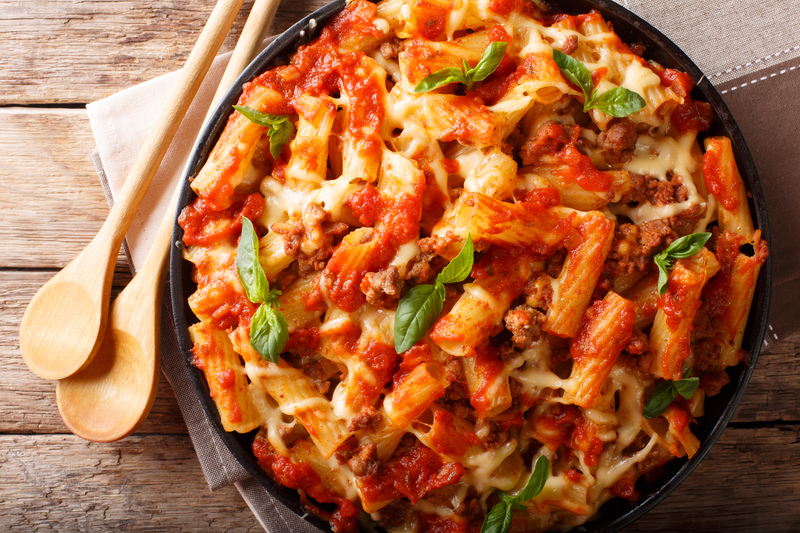


 Your baked ziti needs to hit 165°F (74°C) at its center to be safe to eat. This temperature also makes sure the cheese melts fully and the dish tastes its best.

 Dry baked ziti usually comes down to three things: undercooking the pasta before baking, skimping on sauce, and baking uncovered too long. Fixing these steps keeps your casserole moist from edge to center.
 Why Resting Improves Texture and Serving


