What is the Ratio of Flour to Sugar in Cakes? A Practical Guide
Baking a cake is part science and part art. If you get the flour-to-sugar ratio wrong, your cake can turn out dense, dry, or too sweet.
A good starting point for many butter cakes is a 1:1 ratio by weight, meaning you use equal weights of flour and sugar. Some bakers use equal weights of flour and sugar, while others use slightly more flour for a firmer texture. The best ratio depends on the type of cake you are making and how sweet or tender you want it.
As you read on, you will learn how different cake types affect this ratio and how other ingredients, such as eggs and fat, influence the results. You will also find tips for adjusting the ratio to suit your taste and baking style.
The 1:1 Starting Point by Weight
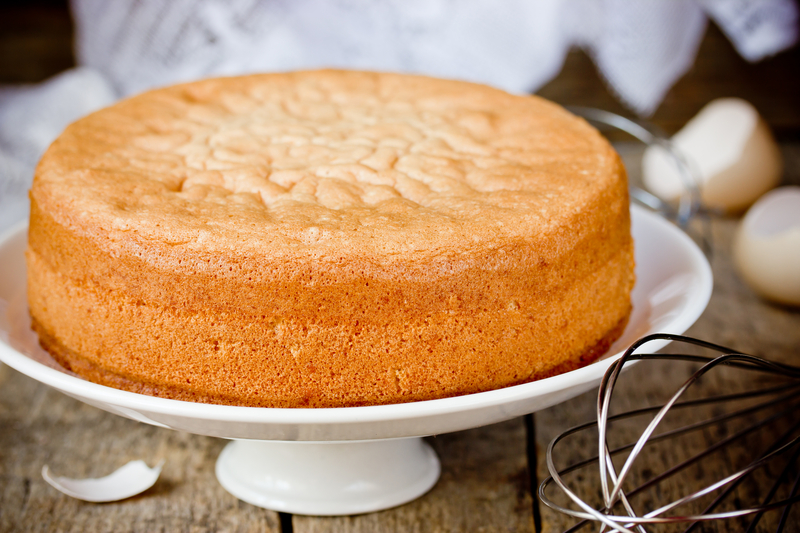
A simple starting point for many butter cakes is a 1:1 flour-to-sugar ratio by weight. This means using the same weight of flour as sugar. The ratio is common in classic butter cake recipes, including Victoria sponge recipes that use 200g of flour and 200g of sugar.
Why Equal Weights Work for Many Butter Cakes
A classic butter cake may use equal weights of flour, sugar, butter, and eggs. This formula is used for pound cake and other rich cakes, though recipes vary. Weighing the ingredients helps create a cake that holds together while remaining moist.
A 1:1 sugar-to-flour ratio is a useful starting point for cake baking because the ingredients have complementary roles. Flour provides structure, while sugar adds sweetness and helps retain moisture. Butter and eggs contribute richness, tenderness, and structure.
You can use this ratio as a base, then adjust it for the cake you want. Some cakes use more sugar for a softer crumb, while others use less for a firmer texture.
Why Equal Cups Give a Different Result
Measuring by cups does not give the same result as measuring by weight. Flour and sugar have different densities, so a cup of each weighs a different amount.
A cup of flour weighs less than a cup of granulated sugar. Therefore, equal cups of flour and sugar do not create a 1:1 ratio by weight. Substituting cups for weights without adjusting the amounts can make your cake too sweet or affect its texture.
This is why many bakers prefer to use a kitchen scale. Weighing ingredients gives you more control and consistent results. It also makes it easier to follow a 1:1 ratio, since cup measurements can vary depending on how you scoop or pack the ingredients.
How Ratios Vary by Cake Style
Not every cake uses the same flour-to-sugar ratio. The right balance depends on whether you want a dense, buttery texture or a light, airy crumb.
Pound Cake and Victoria Sponge
Classic pound cake and Victoria sponge recipes often use equal weights of flour, sugar, butter, and eggs. In a recipe using equal weights of flour, sugar, butter, and eggs, 200 grams of flour means 200 grams each of sugar, butter, and eggs.
This balance gives you a close, tender crumb with a rich, buttery flavor. These cakes are generally less light and airy than foam cakes, but they hold their shape well.
These cakes work well when you want something sturdy enough to slice cleanly but still soft to eat.
Sponge Cake and Chiffon Cake
Unlike rich butter cakes, a traditional sponge cake relies on whipped eggs for volume. The sugar to flour ratio in a sponge cake often leans toward equal weights or slightly more sugar to stabilize the egg foam.
A chiffon cake also depends on whipped egg whites combined with oil and flour. In a chiffon cake, sugar must support the aerated egg structure without weighing down the delicate crumb.
Layer Cakes and High-Ratio Cakes
Some layer cake recipes use more sugar than flour by weight. High-ratio cake formulas are designed to accommodate a higher proportion of sugar and liquid; a classic 1-2-3-4 cake, for example, uses 1 cup butter, 2 cups sugar, 3 cups flour, and 4 eggs by volume. Because these volume measurements have different weights, they do not represent a 1:2 flour-to-sugar ratio by weight.
High-ratio cakes need a balanced formula to maintain their structure. Cake flour can help create a fine, tender crumb, while eggs help emulsify and bind the fat and liquid.
The result can be a softer, moister crumb than a pound cake. This texture works well for layer cakes that are filled and frosted.
A cake baking ratios chart can help you compare flour, sugar, fat, and egg amounts across different cake styles.
Chocolate Cakes and the Role of Cocoa Powder
Chocolate cakes need a different approach because cocoa powder affects how the batter behaves. Cocoa powder absorbs liquid and adds dry ingredients to the formula, so chocolate cake recipes may need adjustments to their sugar and liquid amounts to keep the crumb moist.
Some chocolate cake recipes use a relatively high proportion of sugar to balance cocoa’s bitterness and help keep the texture soft. The right amount depends on the cocoa, flour, and other ingredients in the recipe.
You may also need extra liquid, such as milk or coffee, to help the cocoa blend smoothly into the batter.
How to Calculate a Recipe’s Ratio
You can find the flour-to-sugar ratio in any cake recipe by weighing the ingredients and comparing their amounts. This method works for recipes you find online or develop yourself.
Convert Ingredient Weights to Baker’s Percentages
Baker’s percentages make it easy to compare recipes. In this system, flour is set at 100%, and every other ingredient is expressed as a percentage of the flour’s weight.
The calculation is simple: divide the weight of an ingredient by the weight of the flour, then multiply by 100. For example, if a recipe has 200g of flour and 200g of sugar, the sugar is 100% of the flour weight. If you use 250g of sugar, its percentage is 125%.
This system helps you compare ingredient proportions across different cake types.
Calculate and Scale a Cake Formula in Grams
Once you know your baker’s percentages, you can scale a recipe up or down. Grams work well for this because they provide precise measurements, unlike cups or spoons.
Start by choosing the flour weight in grams. This is your base number. Then multiply it by each ingredient’s percentage, expressed as a decimal, to find the new weight in grams.
Here’s an example using a cake ratio in grams:
Ingredient
Percentage
Weight (base: 300g flour)
Flour
100%
300g
Sugar
110%
330g
Butter
100%
300g
Eggs
90%
270g
This system lets you double a recipe, cut it in half, or adjust it to fit a different pan size. Many bakers calculate baking ratios this way to get consistent results.
How Other Ingredients Affect the Balance
Flour and sugar are not the only ingredients that shape a cake. Milk, eggs, fat, and the type of flour all affect how the batter looks, rises, and tastes.
Milk, Eggs, and Fat
Milk adds moisture and helps dissolve sugar, which contributes to a soft cake. A common milk-to-flour ratio is about 25% to 50% of the flour’s weight, though some high-ratio cake recipes use more liquid to balance the sugar.
Eggs serve several functions. The whites provide water and proteins that help set the cake’s structure. The yolks add fat and act as emulsifiers, helping combine the ingredients.
Fat, usually butter, coats flour particles and helps make a cake tender. If you add too much sugar without enough liquid and structure-building ingredients, the batter may become thin or separate instead of staying smooth.
Cake Flour Versus All-Purpose Flour
The flour you choose affects your batter’s texture and structure. Cake flour is finely milled and has less protein than all-purpose flour. Its lower protein content helps produce a tender crumb, while its starch content contributes to the flour’s ability to absorb liquid.
This matters in high-ratio cakes, where sugar weighs more than flour. Cake flour can help produce a tender crumb, but the overall balance of liquid and other ingredients also affects whether the cake is light or dense.
If you swap in all-purpose flour, the cake may have a firmer texture because its higher protein content can form more gluten. Measure carefully and avoid overmixing to help prevent a tough cake.
High-protein flours like bread flour are rarely used in cakes. The high protein in bread flour leads to strong gluten development, which creates an unpleasantly chewy or tough cake crumb.
How to Adjust Sugar Without Compromising Texture
The role of sugar in baking goes well beyond adding sweetness. It helps retain moisture, softens the crumb, and promotes browning.
Cutting sugar without adjusting the recipe can make a cake dry, tough, or pale. In most recipes, you can reduce sugar by 25 percent and still get good results with a few small adjustments.
Reduce Sugar Gradually
Don’t cut sugar all at once. Start by removing 10 percent of the sugar from a recipe and bake a test batch.
Taste the cake and check its texture. If it still feels moist and holds its shape, try cutting another 10 to 15 percent in your next batch.
This gradual approach helps you find the lowest amount of sugar that still gives you a cake you enjoy. It also helps you spot problems early, such as a dry crumb or weak rise, before you cut too much.
Many cakes can handle a sugar reduction of up to 25 percent without major changes to taste or texture. Reductions beyond that often require other adjustments, such as adding liquid or fat to compensate for changes in moisture and structure.
Account for Brown Sugar and Liquid Sweeteners
Not all sugars behave the same way in cake batter. Brown sugar retains more moisture than white sugar because it contains molasses.
Replacing granulated sugar with brown sugar may make your cake softer and more moist. You might need to reduce other liquids slightly to keep the batter balanced.
Standard granulated sugar provides clean sweetness and structure during creaming. In contrast, powdered sugar contains added cornstarch and dissolves very quickly, which alters batter density if swapped into standard cake formulas.
Alternative sweeteners like erythritol can also affect the crumb. Because erythritol does not retain moisture or caramelize like sugar, substituting it can produce a drier, firmer texture unless liquid is adjusted.
Liquid sweeteners like honey or maple syrup add moisture and liquid volume. Reduce other liquid ingredients, such as milk or water, by about 2 to 4 tablespoons for every half cup of liquid sweetener you use.
Liquid sweeteners also make cakes brown faster. You may need to lower the oven temperature by 25 degrees Fahrenheit to prevent the crust from darkening before the center finishes baking.
Troubleshooting Cakes with an Unbalanced Ratio
Too much flour or too little sugar can leave a cake dry and tough. Too much sugar or liquid can make it sink in the middle or develop a sticky crust.
Dry or Tough Crumb
If your cake feels dry or tough, the balance of flour, sugar, and other ingredients may be off. Flour and eggs build structure, while sugar helps soften the crumb. Too much flour, especially without enough sugar or fat, can make the crumb dense and chewy.
Check these common causes:
Too much flour compared to sugar in your recipe
Not enough fat, which normally coats flour proteins and limits gluten development
Overmixing your batter, which develops excess gluten
Not enough leavening, like baking powder or baking soda
A good starting point is equal parts flour and sugar by weight, as in a classic Victoria sponge. If you add more flour, adjust the sugar and fat as needed to keep the cake balanced.
Sunken Center or Sticky Crust
A sunken center or sticky crust usually points to too much sugar or liquid in your batter. When sugar weighs more than the flour, the cake may need adjustments to its liquid and structure. Without the right balance, the batter may stay too wet to set properly.
Watch for these issues:
Excess sugar, which can cause a sticky crumb and spotted crust
Too much liquid without enough structure from eggs or flour to hold it
Opening the oven door too early, before your cake has fully set
Low oven temperature, which keeps your batter soft for too long and lets it collapse under its own weight, a problem often listed in cake troubleshooting guides
If you want a sugar-heavy cake, use cake flour and shortening formulated for high-sugar batters to help the cake set and hold its shape.
What Do Baking Experts Say About the Flour-to-Sugar Ratio in Cakes?
There is no single flour-to-sugar ratio that applies to every cake, but many traditional cakes use roughly equal weights of flour and sugar. For example, a recipe containing 240g of flour may use around 200–250g of sugar.
According to King Arthur Baking, a high-ratio cake typically contains sugar equal to, or slightly greater than, the weight of the flour. Their testing also found that a sugar-to-flour ratio of approximately 80% to 125% can produce reliable results across many types of cake.
This can be seen in King Arthur Baking’s recipes. Their Plain & Simple Golden Cake, for example, uses 180g of cake flour and 198g of sugar — a ratio of about 1:1.1.
However, the ideal ratio depends on the style of cake. Sponge and foam cakes can use substantially different proportions, while pound cakes traditionally contain similar weights of flour, sugar, butter, and eggs.
For the most reliable results, weigh flour and sugar rather than measuring by volume, since cups can produce significantly different weights depending on how ingredients are measured.
FAQ:What Is the Ratio of Flour to Sugar in Cakes?
There is no single flour-to-sugar ratio for every cake, but a useful general range is about 1 part flour to 0.8–1.25 parts sugar by weight. King Arthur Baking notes that a sugar-to-flour ratio of 80–125% produces reliable results across many types of cake, although the ideal proportion depends on the cake formula.
For example, a cake containing 200g of flour might use roughly 160–250g of sugar. High-ratio cakes often contain at least as much sugar as flour by weight.
Should Cake Have More Flour or Sugar?
Many cakes contain similar amounts of flour and sugar by weight, but there is considerable variation. A high-ratio cake may contain more sugar than flour, while other cake styles use substantially less.
Sugar does more than sweeten cake: it contributes to moisture, tenderness, texture, browning, and structure. This is why simply adding or removing large amounts of sugar can change the finished cake.
What Is the Flour-to-Sugar Ratio for a Basic Cake?
For a typical butter or layer cake, starting around 1 part flour to 1 part sugar by weight is a useful general reference, but it is not a universal formula. For example, King Arthur Baking’s Plain & Simple Golden Cake uses 180g of cake flour and 198g of sugar, while its Tender White Cake uses 330g of cake flour and 333g of sugar.
These examples illustrate why weighing ingredients is more useful than comparing cups, since flour and sugar have different weights by volume.
What Happens If You Use Too Much Sugar in a Cake?
Too much sugar can make a cake overly sweet, softer, and more prone to structural problems. Sugar also attracts and holds moisture, so changing its quantity can affect the cake’s texture and browning.
King Arthur Baking’s testing found that many cakes tolerate a 10% sugar reduction, although the acceptable reduction varies by cake type.
Can You Reduce the Sugar in a Cake Recipe?
You can often reduce the sugar modestly, but the result depends on the type of cake. King Arthur Baking recommends that a 10% reduction is a reasonable starting point for many cakes, while larger reductions can affect texture, structure, and sweetness in some formulas.
Sugar plays a functional role in cakes, so it is better to make small adjustments rather than substantially changing the flour-to-sugar balance.
Does the Type of Cake Change the Flour-to-Sugar Ratio?
Yes. Different cake types require different flour-to-sugar ratios. Sponge, foam, creamed, blended, pound, and high-ratio cakes are formulated differently, so applying one ratio to every recipe can produce poor results.
For example, angel food cake has an unusually high sugar content because its structure depends heavily on whipped egg whites. King Arthur Baking’s traditional angel food cake uses 120g of flour and 298g of sugar.


 A simple starting point for many butter cakes is a 1:1 flour-to-sugar ratio by weight. This means using the same weight of flour as sugar. The ratio is common in classic butter cake recipes, including Victoria sponge recipes that use 200g of flour and 200g of sugar.
 Not every cake uses the same flour-to-sugar ratio. The right balance depends on whether you want a dense, buttery texture or a light, airy crumb.
 You can find the flour-to-sugar ratio in any cake recipe by weighing the ingredients and comparing their amounts. This method works for recipes you find online or develop yourself.
 Flour and sugar are not the only ingredients that shape a cake. Milk, eggs, fat, and the type of flour all affect how the batter looks, rises, and tastes.
 The role of sugar in baking goes well beyond adding sweetness. It helps retain moisture, softens the crumb, and promotes browning.
 Too much flour or too little sugar can leave a cake dry and tough. Too much sugar or liquid can make it sink in the middle or develop a sticky crust.
 There is no single flour-to-sugar ratio that applies to every cake, but many traditional cakes use roughly equal weights of flour and sugar. For example, a recipe containing 240g of flour may use around 200–250g of sugar.
 There is no single flour-to-sugar ratio for every cake, but a useful general range is about 1 part flour to 0.8–1.25 parts sugar by weight. King Arthur Baking notes that a sugar-to-flour ratio of 80–125% produces reliable results across many types of cake, although the ideal proportion depends on the cake formula.


